Understanding Asset Disposal Pricing Structures in Nairobi
Effective asset disposal pricing in Nairobi is a critical component for secured creditors aiming to recover maximum value from repossessed collateral. This pricing structure is meticulously governed by the Auctioneers Act (Cap 526) and the Movable Property Security Rights Act (MPSR Act 2017), ensuring fairness and legal adherence throughout the sales process. Swipe Recoveries Experts Ltd offers a comprehensive and transparent breakdown of all costs involved, from initial valuation to the final public auction or private treaty sale. Our expertise ensures clients receive optimal returns while navigating the complexities of asset disposal in Nairobi with predictable financial clarity, delivering results that matter through innovative, tailored solutions.
Regulatory Framework & Influencing Factors for Disposal Pricing
The determination of transparent and fair disposal pricing in Nairobi is not arbitrary but deeply rooted in Kenyan legal statutes and dynamic market forces. The Auctioneers Act (Cap 526) dictates the permissible fees and commissions that licensed auctioneers can charge, typically based on a tiered percentage of the asset's sale price. This ensures a standardised approach to auctioneer remuneration. Furthermore, the Movable Property Security Rights Act (MPSR Act 2017) mandates a professional, independent valuation report for all repossessed assets. This report establishes both the current market value and the forced sale value, which are crucial in setting a realistic reserve price for public auctions. Factors significantly influencing disposal pricing include: the type and condition of the asset (e.g., vehicles vs. industrial machinery), prevailing market demand, storage duration, and the complexity of advertising and marketing. Assets requiring specialized handling, dismantling, or located in challenging areas may incur higher logistical costs, indirectly impacting the net recovery for the creditor. Swipe Recoveries Experts Ltd expertly advises clients on these intricate factors, ensuring pricing strategies are aligned with legal compliance and market realities, and often consulting with the Auctioneers Board of Kenya for clarity on regulatory best practices.
Key Components of Asset Disposal Pricing Structure & Procedure
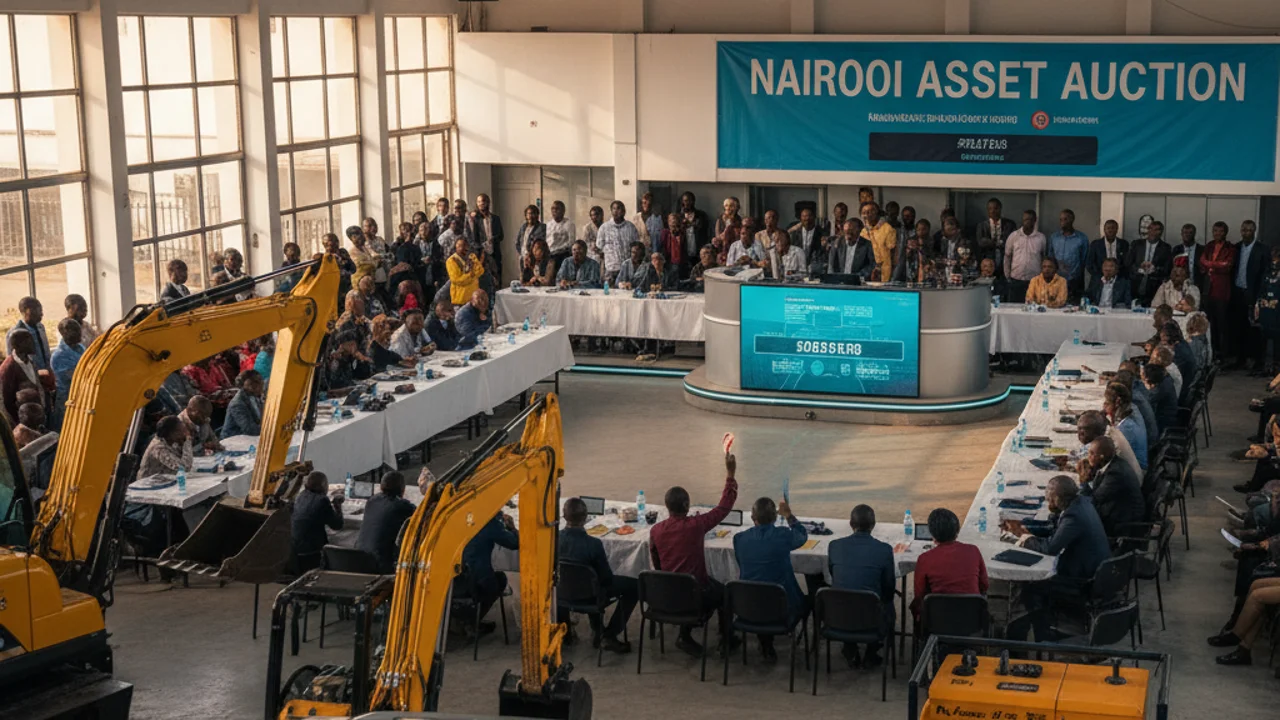
The structured process for asset disposal directly impacts the overall disposal pricing in Nairobi. The core method of sale is the public auction, which requires careful planning and execution. Prior to the auction, advertising costs for notices in widely circulated newspapers (such as the Daily Nation or The Standard) are incurred, informing potential buyers and meeting legal obligations. A mandatory, independent valuation report is secured, which then guides the setting of the reserve price — the minimum acceptable bid to protect the creditor's interest. During the auction, an auctioneer’s commission is applied to the gross sale proceeds, as stipulated by law. Other procedural costs include administrative charges for processing documentation, preparing sale agreements, and buyer registration. If a private treaty sale is pursued (often requiring specific conditions or debtor consent, and sometimes a court order), fees may be negotiated but still typically involve valuation and administrative overheads. For assets stored over extended periods, cumulative storage fees contribute significantly to the total cost. Transparency is key; all these cost components are presented clearly to the secured creditor. Our team at Swipe Recoveries Experts Ltd, from its base at International Life Hse, 8th Floor, Mama Ngina Street, Nairobi, meticulously manages each procedural step, ensuring that every cost contributes to an efficient and legally compliant disposal, aiming for optimal financial outcomes for our clients.
Debt Recovery & Auctioneering Coverage in Nairobi, Kenya
Swipe Recoveries Experts Ltd provides commercial recovery, skip tracing, and auctioneering services across Nairobi, Kenya and all 47 counties in Kenya.
Detailed Breakdown of Disposal Pricing Components (KES)

When evaluating comprehensive disposal pricing in Nairobi, several key components constitute the total cost: 1. Auctioneer's Commission: This is a primary expense, calculated as a percentage of the gross sale amount. The Auctioneers Act (Cap 526) typically allows for rates such as 5% on the first KES 40,000 and 2.5% on the balance. For very high-value assets (e.g., over KES 1 million), the percentage may be lower on the incremental value above certain thresholds. 2. Valuation Fees: A professional valuation is non-negotiable and essential for establishing a fair reserve price. Costs vary from KES 5,000 to KES 50,000+, depending on the asset's complexity, type, and market value. 3. Advertising Costs: Publishing notices in national newspapers is essential for public auctions to reach a wide audience. These costs can range from KES 15,000 to KES 50,000 per insertion, depending on the advert's size and the publication. 4. Storage & Logistics Fees: If the asset requires storage or special transport, these can accumulate significantly. Daily storage can be KES 500-5,000+, while transport fees vary based on distance, asset size, and recovery complexity. 5. Administrative & Legal Fees: Preparing sale documents, coordinating with courts (if a court order is required), and other administrative tasks can add KES 20,000 or more. Some sales may also incur VAT on services rendered. Swipe Recoveries Experts Ltd ensures a detailed, transparent breakdown of these costs, aligning our services with your goal of maximum recovery and efficient asset disposal, with dedication at the core of every engagement.