Why Specialized SME Loan Collection is Vital for Lenders
Effective SME loan collection is a cornerstone of a healthy lending ecosystem in Kenya, directly impacting the profitability and stability of banks, SACCOs, and microfinance institutions (MFIs). Collecting from Small and Medium-sized Enterprises (SMEs) presents unique challenges, requiring a blend of firm negotiation, regulatory compliance, and a commercial understanding of business pressures. A poorly handled collection process can damage customer relationships and a lender's reputation. At Swipe Recoveries Experts Ltd, located at International Life House in Nairobi, we specialize in professional SME debt recovery that maximizes returns while preserving our clients' brand integrity.
Compliance Framework: CBK Guidelines & CRB Regulations
The process of SME loan collection in Kenya is not a free-for-all; it is guided by a strict regulatory framework. For banks and MFIs regulated by the Central Bank of Kenya (CBK), the CBK Prudential Guidelines and the Consumer Protection Guidelines dictate fair treatment of debtors. These rules prohibit harassment, intimidation, and the use of unethical tactics. Compliance is mandatory and non-adherence can lead to severe penalties.
Furthermore, the use of Credit Reference Bureaus (CRBs) like Metropol, TransUnion, and Creditinfo is regulated by the CRB Regulations, 2020. Before listing a defaulting SME with a CRB, a lender must provide the borrower with at least a 30-day pre-listing notice. This gives the SME an opportunity to settle the debt. Once the debt is paid, the lender has a legal obligation to ensure the SME's record is updated with the CRB within 5 days. A professional agency understands and meticulously follows these rules, protecting the lender from legal and reputational risk.

A Phased Approach to Maximizing SME Loan Recoveries
A successful SME loan collection strategy is built on a multi-phased approach that escalates in intensity, prioritizing amicable resolution before resorting to legal action.
Phase 1: Amicable & Professional Engagement: This initial phase focuses on communication. It involves structured phone calls, professional emails, and SMS reminders. The goal is to understand the SME's reason for non-payment and collaboratively work towards a viable payment plan. This approach often preserves the business relationship and is the most cost-effective method.
Phase 2: Formal Demand & Agency Intervention: If initial contacts are ignored, the process escalates. This involves issuing a formal Letter of Demand from a reputable third-party agency like Swipe Recoveries Experts. This step signals a heightened level of seriousness and that the next stage will be legal action or security realization. It detaches the lender from direct confrontation, allowing our trained negotiators to take the lead.
Phase 3: Legal Action & Security Realization: As a last resort, we initiate legal proceedings. For debts under KES 1 million, the Small Claims Court offers a fast and efficient option. For larger or secured loans, this may involve filing in the Magistrates' or High Court, or enforcing security such as a chattel mortgage (repossessing assets), personal guarantees, or debentures.
Agency Fees & Cost Structure for SME Collections (KES)
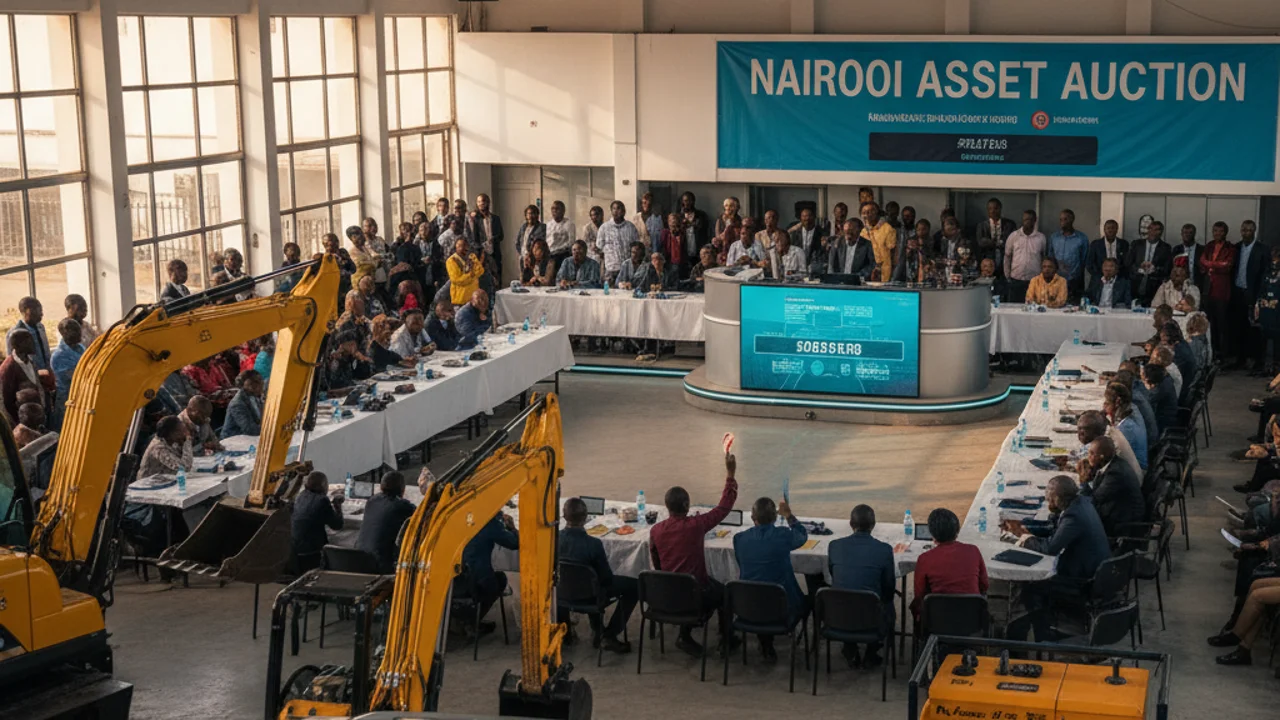
Partnering with a professional agency for SME loan collection is a cost-effective strategy, as most operate on a performance-based model. The most common structure is a contingency or "No-Win, No-Fee" basis. This means the agency only earns a commission on the funds they successfully recover for you.
In the Kenyan market, commission rates for SME loan collection typically range from 10% to 25% of the collected amount. The exact percentage depends on the age of the debt, its size, and whether it is secured or unsecured. For example, on a successfully recovered loan of KES 800,000, the agency's fee at a 15% commission rate would be KES 120,000. This model aligns the agency's interests directly with the lender's, as we are only compensated when we deliver tangible results. For standalone services like issuing a demand letter, a small flat fee may be charged.