Understanding the Landscape for Recovering Defaulting Loans in Kenya
The process to recover defaulting loans Kenya is a critical challenge for financial institutions, businesses, and individuals alike. Loan defaults can severely impact cash flow and financial stability, necessitating a strategic and legally sound recovery approach. Kenya's legal system provides various mechanisms, from amicable negotiations to robust judicial enforcement, all governed by specific acts and regulations. Successfully navigating these complexities requires expertise in debt recovery, skip tracing, and asset searches. Swipe Recoveries Experts Ltd offers innovative, tailored solutions and unwavering dedication at the core of every engagement, empowering clients to maximize their recovery rates and safeguard their financial assets across Kenya.
Legal Framework and Options for Loan Recovery in Kenya
To effectively recover defaulting loans Kenya, creditors must operate within a clear legal framework. Key statutes governing loan recovery include the Contract Act (Cap 23), the Banking Act (for regulated financial institutions), the Companies Act (for corporate debtors), the Insolvency Act 2015, and the Limitations of Actions Act (Cap 22), which sets a six-year period for contract-based debt recovery. Initial steps typically involve issuing formal demand letters, which serve as a critical record of communication and intent. For secured loans, the chargee's statutory power of sale under the Land Act, 2012, is a powerful recovery tool. Unsecured loans, however, often require more direct legal action. Creditors can file a civil suit in the Magistrate's Court or High Court, depending on the value of the claim. Options include seeking summary judgment where there's no real defense, or default judgment if the debtor fails to respond. For corporate debtors, proceedings under the Insolvency Act 2015, such as liquidation or administration, may be pursued. The enforcement of judgments can involve attachment and sale of assets, or garnishee orders. Reporting defaults to Credit Reference Bureaus (CRB), regulated by the Central Bank of Kenya (CBK), is also a common practice to encourage repayment and affect the debtor's future creditworthiness. Swipe Recoveries ensures all actions are compliant with these legal provisions.

The Loan Recovery Process: Steps and Documentation Required
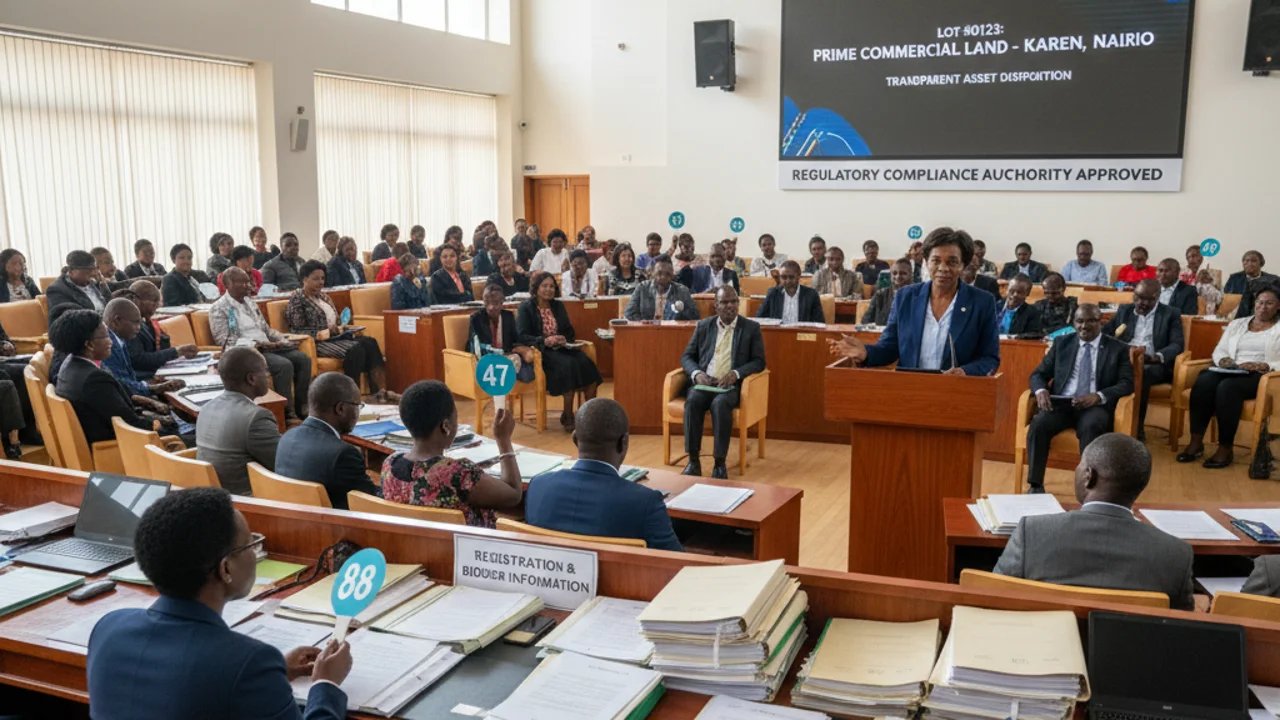
The process to recover defaulting loans Kenya is methodical and requires comprehensive documentation at every stage. It typically begins with a thorough assessment of the outstanding debt and the debtor's profile, including their contact information and potential assets. The first formal step is usually the issuance of a series of well-drafted demand letters, often including a statutory demand for secured loans. These letters outline the debt, interest, and penalties, demanding repayment within a specified period. If negotiations fail, the next phase involves commencing legal proceedings. This includes drafting and filing a plaint (statement of claim) and summons with the appropriate court. Key documentation required at this stage comprises the original loan agreement, detailed statements of account, any security documents (e.g., charge, chattel mortgage), personal guarantees, and all correspondence exchanged with the debtor. During the legal process, discovery of documents, witness statements, and court hearings will ensue. Upon obtaining a court judgment, the execution phase begins. This may involve instructing a licensed auctioneer to attach and sell the debtor's movable or immovable assets, or obtaining garnishee orders to seize funds from bank accounts. For sophisticated debtors, strategies like asset tracing and skip tracing become essential to locate hidden assets or absconding individuals, a specialized service provided by Swipe Recoveries Experts Ltd. Strict adherence to legal procedures and robust documentation are critical for successful execution and recovery.
Debt Recovery & Auctioneering Coverage in Kenya
Swipe Recoveries Experts Ltd provides commercial recovery, skip tracing, and auctioneering services across Kenya and all 47 counties in Kenya.
Costs, Fees, and Maximizing Recovery Rates in Kenya

Managing the costs and fees associated with efforts to recover defaulting loans Kenya is essential for optimizing recovery rates. Legal fees, often guided by the Advocates (Remuneration) Order, Cap 16, can include initial retainer fees, court appearance fees, and potentially success fees (a percentage of the amount recovered). Court filing fees vary based on the claim's value, ranging from a few thousand to tens of thousands of KES. Auctioneer's fees for execution (attachment and sale of assets) are also regulated and depend on the value of the assets involved. Additional costs might include process server fees, skip tracing and asset search fees (which can vary widely based on complexity), and advertisement costs for asset sales. To maximize recovery rates, early intervention is crucial. The longer a debt remains outstanding, the harder it becomes to recover. Thorough due diligence on the debtor's financial standing and solvency before extending credit can also prevent future defaults. Engaging professional debt recovery agencies like Swipe Recoveries Experts Ltd offers a cost-effective solution, as they possess the expertise in negotiation, legal enforcement, and specialized investigative services (skip tracing and asset searches) to efficiently recover funds, often on a success-fee basis, thereby aligning their interests with the client's. This dedicated approach significantly enhances the chances of successful recovery for defaulting loans.