The Imperative of Property Finance Recovery in Kenya
For financial institutions and lenders, effective property finance recovery is crucial for maintaining a healthy balance sheet and mitigating risks associated with non-performing loans (NPLs). In Kenya, particularly within Nairobi's vibrant financial sector, the process involves navigating complex legal frameworks to reclaim assets secured by property. This can range from residential mortgages to large-scale commercial property debentures. Successful recovery requires a specialized understanding of both property law and financial regulations, coupled with strategic execution. Swipe Recoveries Experts Ltd, based in Nairobi's International Life House, provides innovative and tailored solutions for lenders, ensuring a diligent and legally compliant approach to recovering property-backed financing, ultimately safeguarding their investments and supporting financial stability.
Navigating the Legal Landscape of Property Finance Recovery in Kenya
The legal framework for property finance recovery in Kenya is robust, primarily governed by the Land Act 2012, the Insolvency Act 2015, and the Banking Act, which fall under the oversight of the Central Bank of Kenya (CBK) for regulated entities. Key instruments in property finance include charges, mortgages, and debentures, which grant lenders specific rights over collateralized property. The Land Act outlines the procedures for enforcing these securities, including statutory notices and the right of sale. The Insolvency Act provides mechanisms for receivership and liquidation when a borrower, often a company governed by the Companies Act 2015, faces financial distress, allowing for the realization of secured assets. Lenders must meticulously adhere to these statutes, ensuring all documentation, such as the registered charge document or mortgage deed, is valid and enforceable. Courts, including the Environment and Land Court (ELC) and the High Court of Kenya, are instrumental in resolving disputes and granting necessary orders for enforcement actions like foreclosure or possession. Understanding these intricate legal requirements, from due diligence on collateral to the specific timelines for statutory notices, is fundamental for lawful and effective recovery processes in Nairobi and across Kenya.

Key Stages and Requirements for Effective Property Finance Recovery
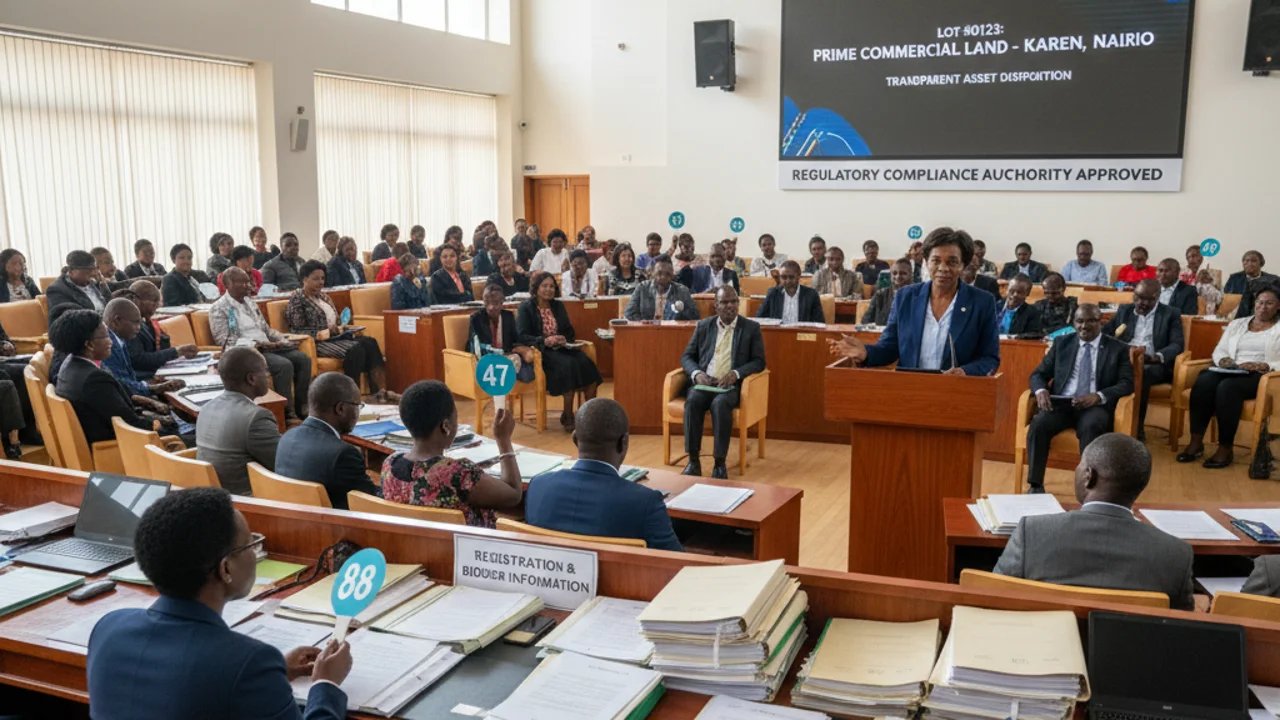
The process of property finance recovery involves several critical stages, each with specific requirements for compliance. Initially, upon default, lenders issue formal demand letters and then critical statutory notices, as mandated by the Land Act 2012. For instance, a 90-day notice of intention to sell charged property is often required before an auction can be initiated. If the borrower fails to remedy the default within the specified redemption period, the lender may proceed to appoint a receiver/manager (especially for corporate borrowers with debentures, under the Insolvency Act) or initiate proceedings for foreclosure. The ultimate step often involves sale of the property by public auction, conducted by a licensed auctioneer under the Auctioneers Act (Cap 526). This requires property valuation reports to establish a reserve price and proper public advertisement. In more complex scenarios, particularly in Nairobi’s high-value property market, court intervention through the High Court may be necessary to obtain specific orders for possession or sale, ensuring all procedural requirements are met. Throughout these stages, maintaining impeccable documentation is paramount to withstand potential legal challenges. Swipe Recoveries Experts Ltd excels in orchestrating these complex steps, from initial demand to final asset realization, ensuring all actions are fully compliant with Kenyan law.
Costs, Timelines, and Strategic Approaches in Property Finance Recovery

The financial aspect of property finance recovery requires careful consideration, with various costs impacting the net recovery. Key expenses include legal fees, which can range significantly from KES 100,000 to KES 500,000+ depending on the complexity, litigation involved, and legal firm engaged. Valuation fees, necessary for determining the forced sale value and market value of the property, typically cost between KES 20,000 and KES 100,000. Auctioneer fees, regulated under the Auctioneers Rules, are often a percentage of the sale price, commonly 2.5% to 5% for properties. Other costs include stamp duty on transfers, court filing fees (ranging from KES 5,000 to KES 30,000), and administrative expenses. Timelines can vary greatly, from a few months for straightforward cases to several years for contested matters requiring extensive court litigation. Strategic approaches emphasize early intervention, transparent communication, and exploring debt restructuring or consensual settlement options before resorting to judicial enforcement. Firms like Swipe Recoveries Experts Ltd, conveniently located in Nairobi’s International Life House near significant landmarks like the KICC and Parliament Buildings, offer expert guidance in optimizing recovery strategies, managing costs, and accelerating the process, thereby improving the return on distressed property assets for lenders.