Understanding Your Path to Financial Recovery
The Kenya debt recovery process is a structured, multi-stage procedure governed by national laws to ensure fairness and enforceability. For any business or individual facing unpaid debts, understanding these steps is the first move towards successful recovery. The process generally moves from amicable, pre-legal actions to formal legal proceedings if necessary. At Swipe Recoveries Experts Ltd, we specialize in managing this entire journey, ensuring every step is compliant, strategic, and optimized to recover your funds efficiently. From issuing the first demand letter to enforcing a court judgment, our expertise simplifies the complexities and delivers tangible results across Kenya.
Stage 1: The Pre-Legal and Amicable Recovery Phase
The most cost-effective stage of the Kenya debt recovery process is the pre-legal phase. This phase focuses on resolving the debt without involving the courts. The cornerstone of this stage is the Demand Letter. Under Kenyan law, sending a formal demand letter is a critical prerequisite before initiating legal action. This letter clearly states the amount owed, the basis of the debt, and provides a final deadline for payment. It signals your serious intent to recover the debt and often prompts immediate action from the debtor.
Following the demand letter, our process involves persistent and professional follow-up. This includes structured phone calls and email communication aimed at opening a dialogue for negotiation. We often work to establish a mutually agreeable Payment Plan, allowing the debtor to settle the amount in manageable instalments. This approach not only expedites recovery but can also help preserve the business relationship. Throughout this stage, meticulous documentation is key; all communications, acknowledgements of debt, and payment promises are recorded to build a strong case should legal escalation become necessary. This stage is governed by principles in the Law of Contract Act (Cap 23).
Stage 2: Initiating Formal Legal Proceedings in Kenya
If the pre-legal phase does not yield results, the next step in the Kenya debt recovery process is to initiate a formal lawsuit. The choice of court depends on the monetary value of the claim. For debts up to KES 1 million, the Small Claims Court Act, 2016 provides a fast-track, simplified, and low-cost mechanism for resolution. This court is designed to hear and determine cases within 60 days.
For larger claims, a suit is filed in the Magistrate's Courts or the High Court, depending on the pecuniary jurisdiction. The process is governed by the Civil Procedure Act and involves filing a plaint, serving summons on the debtor (defendant), and potentially proceeding through pre-trial conferences and a full hearing. Essential documentation at this stage includes all original contracts, invoices, delivery notes, bounced cheques, and correspondence proving the debt. Obtaining a court Judgment and a subsequent Decree in your favour is the primary goal. This legally validates your claim and provides the legal authority needed for the final enforcement stage.
Debt Recovery & Auctioneering Coverage in Kenya
Swipe Recoveries Experts Ltd provides commercial recovery, skip tracing, and auctioneering services across Kenya and all 47 counties in Kenya.
Stage 3: Execution of Judgment and Enforcement

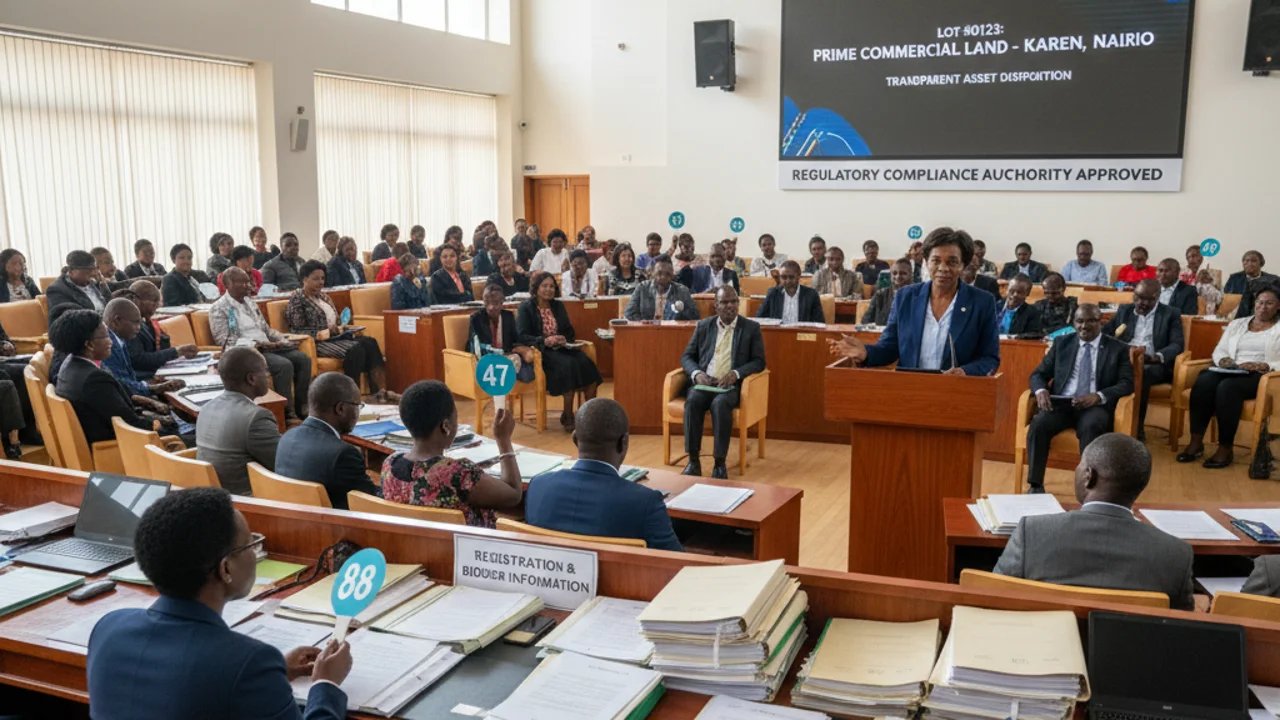
Securing a court judgment is a major victory, but the final step is enforcement—the actual collection of the money. The decree from the court empowers you to 'execute' the judgment against the debtor. The most common method of enforcement in Kenya is through licensed Auctioneers, regulated by the Auctioneers Act (Cap 526). Upon receiving instructions and the court warrant, an auctioneer can legally proclaim and attach the debtor's movable (e.g., vehicles, office equipment) or immovable (e.g., land, buildings) assets.
The attached assets are then sold through a public auction to recover the decretal amount, plus costs and interest. The costs associated with this stage include the auctioneer's fees, which are regulated by law, and other disbursements like storage and advertising costs. These costs are typically added to the total amount recoverable from the debtor. Other enforcement methods include garnishee proceedings (attaching funds in the debtor's bank account) or a warrant of arrest in specific circumstances. Swipe Recoveries expertly manages this entire enforcement phase, coordinating with reputable auctioneers to ensure a swift and compliant execution of the court's order.