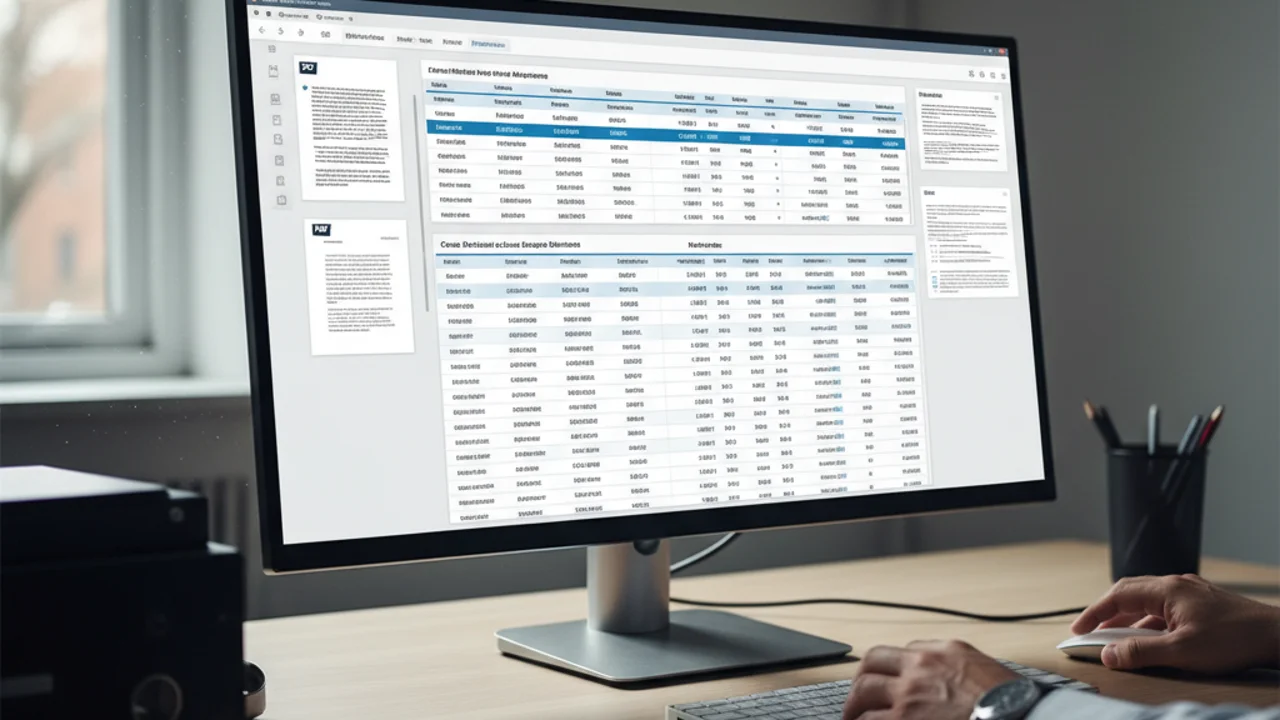
Unlocking Capital: The Power of Debt Portfolio Sales
A debt portfolio sale represents a strategic and often critical decision for financial institutions in Kenya, including banks, Microfinance Institutions (MFIs), and Saccos, seeking to offload non-performing loans (NPLs) and improve their balance sheet health. This process involves selling a bundle of outstanding debts to a third-party debt purchaser, thereby freeing up capital, reducing administrative burdens, and mitigating future risks associated with delinquent accounts. Swipe Recoveries Experts Ltd, based at the prominent International Life House, 8th Floor, Mama Ngina Street, Nairobi, specializes in facilitating transparent and legally compliant debt portfolio sales. We provide expert advisory services, ensuring institutions navigate the complexities of valuation, due diligence, and regulatory adherence, including guidelines from the Central Bank of Kenya (CBK), to achieve optimal outcomes for their NPL divestment strategies.
Strategic Benefits and Regulatory Landscape of Debt Portfolio Sale in Kenya
A debt portfolio sale offers numerous strategic benefits for financial institutions across Kenya. Firstly, it allows banks and MFIs to immediately remove non-performing loans (NPLs) from their balance sheets, improving key financial ratios such as capital adequacy and asset quality. This quick injection of liquidity can be reinvested into performing assets or new lending, boosting profitability. Secondly, it reduces the significant operational burden and costs associated with in-house debt collection efforts, including staffing, legal fees, and administrative overheads. Finally, a sale mitigates future risks and uncertainties associated with these distressed assets, providing a definitive resolution for long-standing problematic accounts.
The regulatory landscape surrounding a debt portfolio sale in Kenya is robust, primarily governed by the Banking Act and general contractual law principles. Crucially, the Data Protection Act, 2019, plays a vital role, as the transfer of debtor information must comply with data privacy regulations. Financial institutions must ensure that the transfer of personal data to debt purchasers is lawful, either through explicit consent obtained during the original loan agreement or other legitimate bases. The Central Bank of Kenya (CBK), through its NPL guidelines, also influences how such sales are viewed and reported. Swipe Recoveries Experts Ltd, from our Nairobi headquarters, ensures that every aspect of the sale process is meticulously compliant with these laws, protecting both the seller's and buyer's interests and maintaining the integrity of the financial system within the Nairobi CBD.

The Process of Facilitating a Debt Portfolio Sale and Due Diligence
Facilitating a successful debt portfolio sale involves a structured, multi-stage process, beginning with the identification and segmentation of the NPL portfolio intended for sale. This crucial initial step involves categorizing debts by age, type (secured vs. unsecured), and outstanding balance, helping to package the portfolio attractively for potential buyers. Following this, a comprehensive valuation of the portfolio is conducted, often using sophisticated analytical models that consider factors such as recovery probability, age of debt, collateral value (if any), and market conditions. This valuation establishes a realistic reserve price and informs negotiations.
The next critical stage is due diligence. Prospective debt purchasers will conduct extensive reviews of the portfolio data, including loan agreements, debtor information, payment histories, and any existing recovery efforts. This requires the selling institution to prepare a robust data room, ensuring transparency and accessibility while strictly adhering to data protection protocols as per the Data Protection Act, 2019. Once due diligence is complete and an agreement is reached, the transaction proceeds to legal documentation, involving the drafting and execution of a Sale and Purchase Agreement (SPA). This agreement details the terms of sale, representations, warranties, and post-sale obligations. Swipe Recoveries Experts Ltd, operating from Mama Ngina Street, Nairobi, guides institutions through each of these complex phases, from portfolio preparation and valuation to buyer identification and contract finalization, ensuring a streamlined and compliant transaction for a profitable debt portfolio sale.
Commercial Considerations and Pricing for Debt Portfolio Sale Transactions

The commercial considerations and pricing for a debt portfolio sale are highly dependent on the quality and characteristics of the NPLs. Debt portfolios are typically sold at a discount to their face value, with prices ranging from 5% to 30% (or sometimes higher for very low-risk portfolios) of the outstanding principal, depending on factors such as the age of the debt, the presence of collateral, the debtor's payment history, and the enforceability of the underlying agreements. More seasoned (older) and unsecured debts generally fetch lower prices, while newer, well-documented, and secured debts command a premium. Market demand from debt purchasers and the broader economic environment in Kenya also play a significant role in determining the final price.
Engaging a specialist like Swipe Recoveries Experts Ltd to facilitate a debt portfolio sale ensures that financial institutions achieve the best possible commercial terms. Our expertise in NPL valuation and our extensive network of reputable debt purchasers, both local and international, mean we can effectively market your portfolio and negotiate competitive prices. While there isn't a direct "fee" for the sale itself, our advisory services are structured to maximize your recovery, typically through a success-based commission on the sale proceeds, ensuring our interests are fully aligned with yours. For example, selling a KES 100,000,000 NPL portfolio at 15% would yield KES 15,000,000, a substantial recovery for assets that might otherwise be written off. Our Nairobi-based team offers invaluable insights, enabling institutions to strategically divest from problematic assets and focus on core lending activities.