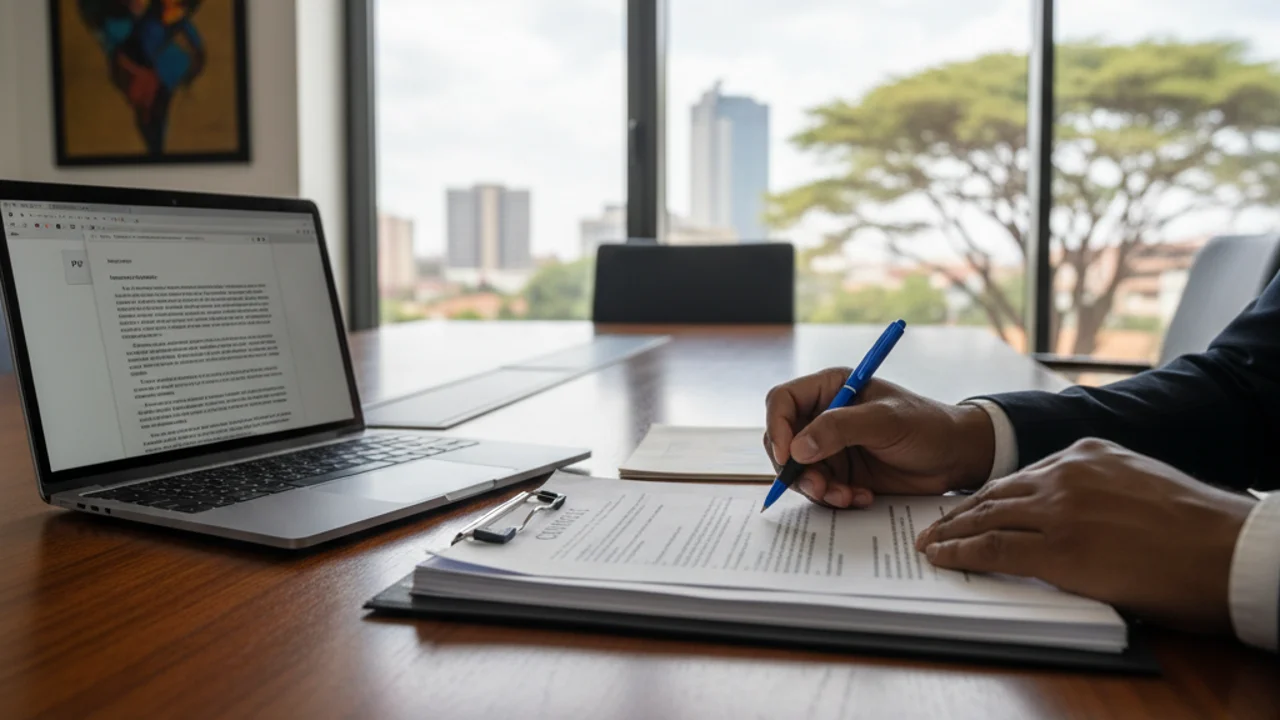
Mastering the Art of Collecting Outstanding Invoices in Kenya
For businesses in Nairobi, learning how to collect outstanding invoices is critical for maintaining healthy cash flow and financial stability. Unpaid invoices can quickly accumulate, leading to operational bottlenecks and reduced profitability. Whether dealing with a single delinquent payment or a portfolio of aged debts, understanding the most effective and legal approaches within the Kenyan context is paramount. This involves navigating general contract principles, provisions of the Sale of Goods Act (Cap 31) where applicable, and adhering to strict legal timeframes as stipulated by the Limitation of Actions Act (Cap 22). Swipe Recoveries Experts Ltd provides innovative, tailored solutions to help businesses in Kenya efficiently recover these crucial funds.
Proactive Measures and Early Intervention for Invoice Recovery
Proactive measures are often the most effective way to collect outstanding invoices. Establishing clear payment terms at the outset of any commercial agreement is fundamental. These terms should be clearly communicated and legally binding, referenced in all contracts and invoices. Regular, friendly payment reminders, sent via email or phone, can significantly reduce the number of overdue accounts. Many businesses in Nairobi leverage automated systems for this. For slightly aged debts, sending a formal 'Letter of Demand' is a crucial step.
This demand letter, drafted professionally, formally notifies the debtor of the outstanding amount, the payment due date, and potential consequences of non-payment. It should explicitly cite the relevant invoice numbers and the contractual basis for the debt. While not a legal requirement for immediate court action, it serves as strong evidence of attempts to recover the debt amicably and demonstrates due diligence, which is looked upon favourably by courts in Kenya. Organizations like the Kenya National Chamber of Commerce & Industry (KNCCI) often advise members on robust credit control practices. Swipe Recoveries Experts Ltd assists clients in developing and implementing strong credit management policies to minimize future delinquencies.

Legal Avenues and Steps to Recover Outstanding Invoices
When proactive measures fail, initiating legal action becomes necessary to collect outstanding invoices. In Kenya, this process involves several stages, beginning with filing a civil suit in the appropriate court. For invoices below KES 1 million, the Small Claims Court offers a fast-track and cost-effective option. For higher amounts, cases are heard in the Magistrates' Courts or the High Court of Kenya's Commercial & Tax Division, both accessible from our International Life Hse office on Mama Ngina Street, Nairobi. The core legal requirements involve proving the existence of the debt, that goods/services were rendered, and that payment is legitimately overdue. This requires presenting all contractual documents, invoices, delivery notes, and payment records.
Compliance with the Civil Procedure Rules is critical throughout the litigation process, from serving summons to attending court hearings. Once a judgment is secured, the challenge shifts to enforcement. This can involve obtaining execution orders to seize and sell debtor assets, garnishee orders to freeze bank accounts, or charging orders against property. The Law Society of Kenya (LSK) regulates legal professionals who undertake such actions. Swipe Recoveries Experts Ltd offers comprehensive legal recovery services, guiding clients through every step to ensure successful enforcement and collection of their outstanding invoices across Kenya.
Understanding the Costs of Invoice Collection in Kenya

The costs associated with efforts to collect outstanding invoices in Kenya are structured to provide flexibility and transparency. For pre-legal collection, Swipe Recoveries Experts Ltd often operates on a contingency fee basis, meaning our fee is a percentage of the recovered amount, typically ranging from 15% to 25%. This structure aligns our success with yours, with no fees if no recovery is made. For legal actions, costs include court filing fees (e.g., KES 2,000 for a Small Claims Court plaint, up to KES 10,000+ for High Court matters), process server fees, and advocate fees as per the Advocates Remuneration Order.
These advocate fees can be fixed, hourly, or a percentage of the debt, depending on the complexity and court level. Swipe Recoveries Experts Ltd, located in Nairobi, provides a detailed cost breakdown and transparent estimates upfront, allowing businesses to make informed decisions. We focus on cost-effective strategies that yield the best possible recovery outcomes for your outstanding invoices.