Understanding Asset Finance Recovery in the Kenyan Context
Navigating asset finance recovery in Kenya can be complex, requiring a deep understanding of local laws and practical expertise. Asset finance recovery refers to the process by which lenders retrieve assets used as collateral for loans when borrowers default on their repayment obligations. This critical service ensures financial institutions can mitigate losses from non-performing loans, upholding the stability of their asset portfolios. Swipe Recoveries Experts Ltd specializes in providing seamless and legally compliant asset recovery services, from initial assessment to successful repossession and liquidation, safeguarding our clients' interests across Nairobi and wider Kenya. Our approach emphasizes both efficiency and strict adherence to regulatory frameworks, delivering results that matter.
Legal Frameworks Governing Asset Finance Recovery in Kenya
In Kenya, asset finance recovery operations are primarily governed by several key statutes, ensuring a structured and lawful approach. The Chattels Transfer Act (Cap 28) and the Hire Purchase Act (Cap 507) are fundamental, especially concerning movables and goods acquired under hire purchase agreements. These acts dictate the procedures for perfecting security interests and the legal rights of both the financier and the borrower in default. For instance, the Hire Purchase Act outlines specific conditions and notices required before repossession, protecting consumers from arbitrary actions. Additionally, the Insolvency Act, 2015, comes into play when a debtor faces bankruptcy or corporate liquidation, influencing the priority of claims over secured assets.
Financial institutions also operate under guidelines from the Central Bank of Kenya (CBK), which emphasizes fair lending practices and responsible recovery methods. Compliance with these statutory frameworks is paramount to avoid legal challenges and reputational damage. Swipe Recoveries Experts Ltd prides itself on its thorough understanding and strict adherence to these legal requirements, ensuring every recovery operation is conducted with impeccable legal diligence. Our specialists are adept at interpreting and applying these laws to various asset classes, from motor vehicles and heavy machinery to industrial equipment, providing comprehensive legal protection for our clients.

Procedure and Requirements for Effective Asset Recovery
The asset finance recovery process involves a series of meticulously followed steps to ensure legality and efficacy. Typically, the first step after a loan default is issuing formal demand notices, often a 21-day or 30-day notice, depending on the nature of the agreement and the governing law, such as provided under the Hire Purchase Act. If the default persists, the financier obtains a repossession order from a competent court, granting legal authority to seize the asset. Essential documentation for this stage includes the loan agreement, security documents, demand letters, and proof of default.
Once the repossession order is secured, professional auctioneers, regulated by the Auctioneers Act (Cap 526), are engaged to execute the repossession. This involves careful planning and execution, often requiring skip tracing services to locate the asset if its whereabouts are unknown. After successful repossession, the asset is typically valued and prepared for sale by public auction to recover the outstanding debt. All these steps demand strict compliance with legal requirements and ethical conduct. Swipe Recoveries Experts Ltd manages this entire intricate process, from initial documentation and legal advice to physical repossession and sale, offering a streamlined service that minimizes hassle and maximizes recovery rates for our clients.
Costs, Fees, and Practical Guidance for Asset Recovery
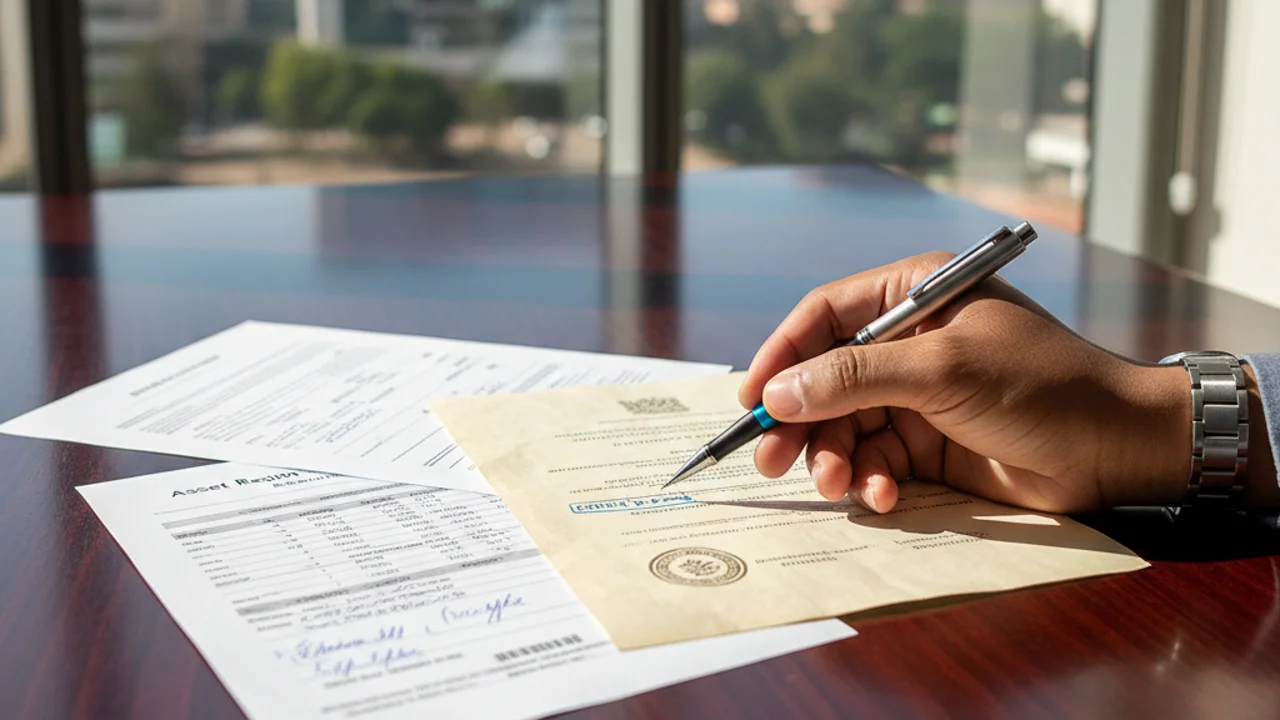
The costs associated with asset finance recovery in Kenya can vary significantly depending on the complexity of the case, the type of asset, and the extent of legal action required. Generally, fees include legal counsel charges for obtaining court orders, auctioneer fees for repossession and sale (often regulated by the Auctioneers Act and calculated as a percentage of the recovered amount or sale price), skip tracing fees, storage costs for seized assets, and advertising expenses for auction notices. For example, auctioneer charges for repossession might range from KES 10,000 to KES 50,000+, plus a commission on the sale, usually between 2.5% to 5% of the gross proceeds, as stipulated by the Auctioneers Rules.
Swipe Recoveries Experts Ltd operates with transparency regarding all anticipated costs, providing detailed breakdowns from the outset. We offer practical guidance on how to optimize recovery efforts while managing expenses effectively. Our goal is to achieve the best possible outcome for our clients by leveraging our extensive network and expertise to ensure cost-efficient processes. Engaging a specialized firm like Swipe Recoveries can significantly reduce the overall cost of recovery by ensuring compliance, preventing costly legal errors, and expediting the entire process, ultimately improving your return on investment for defaulted asset finance agreements.