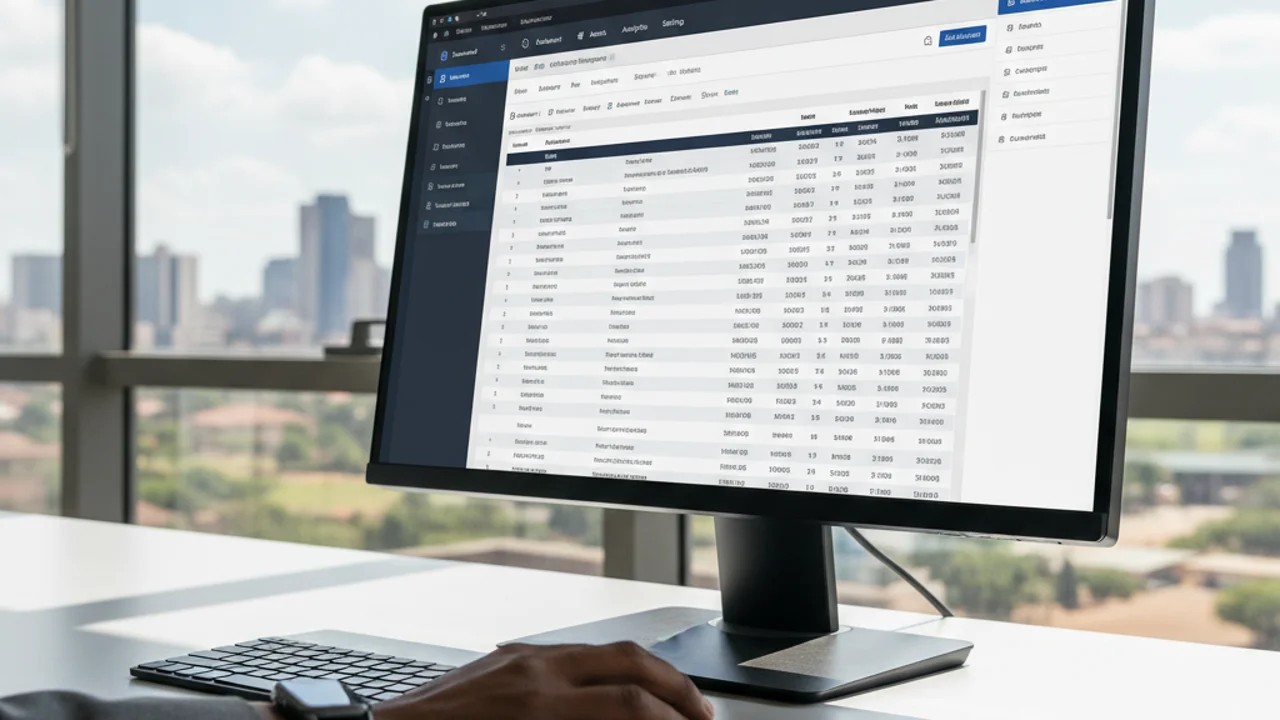
The Indispensable Role of a Real Estate Credit Report in Kenyan Property Transactions
A real estate credit report is a critical financial document that provides a detailed overview of an individual's or entity's creditworthiness, specifically in the context of property transactions and financing in Kenya. This report evaluates repayment history, outstanding debts, and overall financial reliability, directly influencing lending decisions for mortgages, property development loans, and even tenant assessments. In a market as dynamic as Nairobi's, understanding and utilizing these reports is crucial for both lenders and borrowers to mitigate risks and ensure sound financial dealings. Swipe Recoveries Experts Ltd leverages credit information to support robust due diligence processes for property-related engagements.
Legal Framework and Accessing Credit Reports in Kenya
The framework for credit reporting in Kenya is primarily governed by the Banking Act (Cap 488) and the specific Banking (Credit Reference Bureau) Regulations, 2013, which mandate financial institutions to share credit information with licensed Credit Reference Bureaus (CRBs). These regulations ensure that CRBs like Metropol CRB, TransUnion Kenya, and Creditinfo International operate within defined legal boundaries, protecting consumer data while providing accurate credit histories. For any transaction involving a loan or credit assessment related to real estate, including mortgages from banks such as KCB Bank or Equity Bank, a real estate credit report is a fundamental requirement.
Individuals and businesses can obtain their credit reports directly from any of the three licensed CRBs in Kenya. A free credit report is typically available once every twelve months, as stipulated by the regulations. Subsequent reports or detailed credit scores may incur a small fee. It is crucial for property investors and developers to regularly review their own credit reports to ensure accuracy and address any discrepancies that could negatively impact their ability to secure financing or engage in large-scale property projects in Nairobi. Understanding the content of these reports, including any adverse listings, is the first step towards rectifying them and maintaining a healthy credit profile for real estate ventures.

Components and Interpretation of a Real Estate Credit Report
A comprehensive real estate credit report typically includes several key components vital for assessing financial risk in property dealings. These comprise personal or company identification details, a summary of credit accounts (e.g., mortgages, personal loans, credit cards), payment history (detailing punctual or delayed payments), outstanding balances, and any adverse information such as defaults, bankruptcies, or judgments. For real estate, particular attention is paid to existing mortgage obligations, loan-to-value ratios, and repayment patterns on significant borrowings. Lenders and investors use this data to gauge the likelihood of a borrower or buyer fulfilling their financial commitments for a property.
Interpreting a real estate credit report requires an understanding of how different financial behaviors translate into risk. For instance, a consistent history of timely payments on existing loans reflects positively, indicating financial discipline. Conversely, frequent defaults or high levels of outstanding debt, especially if related to previous property ventures, signal higher risk. Lenders will also look at the inquiry history – too many recent credit applications can be a red flag. Swipe Recoveries Experts Ltd utilizes this detailed credit information, combined with asset searches and skip tracing, to provide a holistic view of a debtor's financial standing, crucial for recovering property-related debts and offering expert advice on mitigating credit risks in transactions at locations like International Life Hse, Nairobi.
Costs, Rectification, and Strategic Use of Credit Reports in KES

Obtaining a real estate credit report in Kenya can involve minimal costs. As per the Banking (Credit Reference Bureau) Regulations, 2013, every individual is entitled to one free credit report annually from each CRB. Subsequent requests within the same year or requests for a credit score typically cost around KES 250 to KES 600 per report. For businesses, the fees might vary based on the depth of the report. The long-term costs of a poor credit report, however, can be substantial, including higher interest rates on mortgages (potentially adding thousands of shillings monthly), loan rejections, or difficulties in securing favourable payment terms for property acquisitions.
If discrepancies are found in a credit report, individuals have the right to challenge and rectify incorrect information. This process involves lodging a dispute with the relevant CRB, which is then legally obligated to investigate and correct errors within a specified timeframe. Strategically, a strong real estate credit report can be leveraged to negotiate better financing terms for property investments or developments. Swipe Recoveries Experts Ltd emphasizes proactive credit management, advising clients on how to improve their credit profiles and how to use credit reports as a powerful tool in debt recovery and asset surveillance, especially when dealing with debtors involved in property transactions across Kenya.