Understanding and Mitigating Non-Performing Loan (NPL) Risk in Mombasa
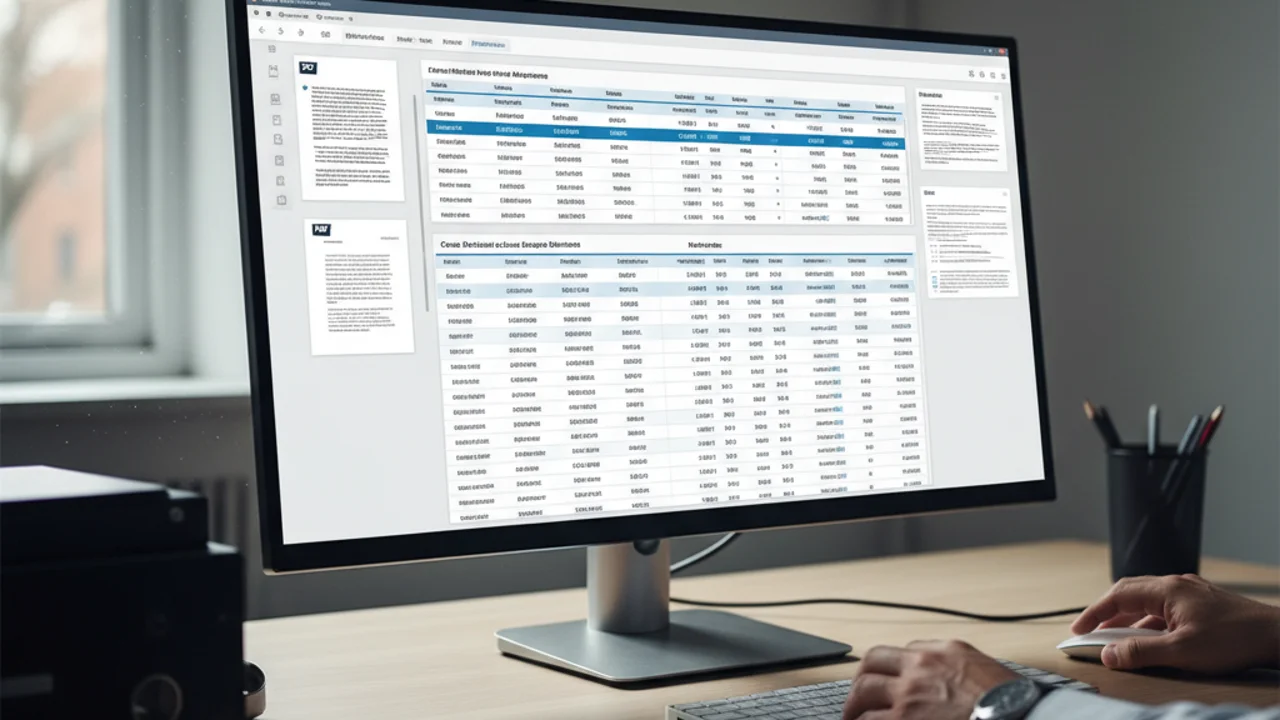
For financial institutions and businesses operating in Mombasa, understanding and managing Mombasa NPL risk assessment is critical for maintaining portfolio health and profitability. Non-Performing Loans (NPLs) represent a significant financial burden, impacting liquidity, capital adequacy, and overall market confidence. Swipe Recoveries Experts Ltd offers specialized NPL risk assessment services designed to identify, quantify, and strategize the management of these problematic loans within the unique economic context of Mombasa. Our expert approach combines thorough financial analysis, local market intelligence, and an understanding of Kenya's regulatory framework, including guidance from the Central Bank of Kenya (CBK), to provide actionable insights that help our clients mitigate losses and optimize recovery strategies.
Regulatory Framework Governing NPLs in Kenya & Mombasa
In Kenya, the management of Non-Performing Loans (NPLs) is closely overseen by the Central Bank of Kenya (CBK), which issues prudential guidelines to financial institutions. The Banking Act and its associated regulations mandate specific provisioning requirements for NPLs, influencing how financial institutions classify and report these assets. The CBK's prudential guidelines, updated periodically, provide directives on loan classification, impairment provisioning, and write-offs, all of which are crucial for accurate NPL risk assessment. For institutions in Mombasa, adherence to these national standards is non-negotiable. Furthermore, the Insolvency Act, 2015, governs the procedures for dealing with defaulting borrowers, providing legal avenues for recovery that influence the risk assessment process. Swipe Recoveries Experts Ltd's expertise ensures that our NPL risk assessments are fully compliant with these stringent Kenyan legal and regulatory frameworks.

The Comprehensive Methodology for Mombasa NPL Risk Assessment
Our approach to Mombasa NPL risk assessment is systematic and data-driven, aiming to provide a clear picture of loan portfolio health. The process begins with an in-depth review of the loan portfolio, categorising loans based on their performance status (performing, underperforming, non-performing). We then conduct detailed analyses of individual NPLs, examining the borrower's financial standing, collateral valuation (including real estate and other assets in Mombasa), the underlying reasons for default, and the feasibility of recovery strategies. This includes assessing the legal standing of security documents and any potential challenges in enforcement. Our team also evaluates the effectiveness of the financial institution's current NPL management policies and procedures, providing recommendations for improvement to align with CBK guidelines and best practices in the Kenyan financial sector. This holistic review is key to identifying true NPL exposure.
Debt Recovery & Auctioneering Coverage in Mombasa, Kenya
Swipe Recoveries Experts Ltd provides commercial recovery, skip tracing, and auctioneering services across Mombasa, Kenya and all 47 counties in Kenya.
Service Costs and Value in NPL Risk Assessment for Mombasa Institutions

The fees for NPL risk assessment services in Mombasa are structured to provide exceptional value, reflecting the critical nature of NPL management for financial institutions. Costs typically range from KES 40,000 to KES 150,000+ per assessment, depending on the size and complexity of the loan portfolio being evaluated, the number of NPLs, and the depth of analysis required. Factors such as the need for collateral revaluation, extensive legal review of loan documentation, or on-site borrower investigations in Mombasa can influence the final fee. Swipe Recoveries Experts Ltd offers transparent pricing, providing detailed proposals that outline the scope of work and associated costs. Our aim is to deliver insights that significantly reduce NPL-related losses, improve recovery rates, and enhance the overall financial stability of your institution in the Mombasa market, making the investment in our services highly cost-effective.