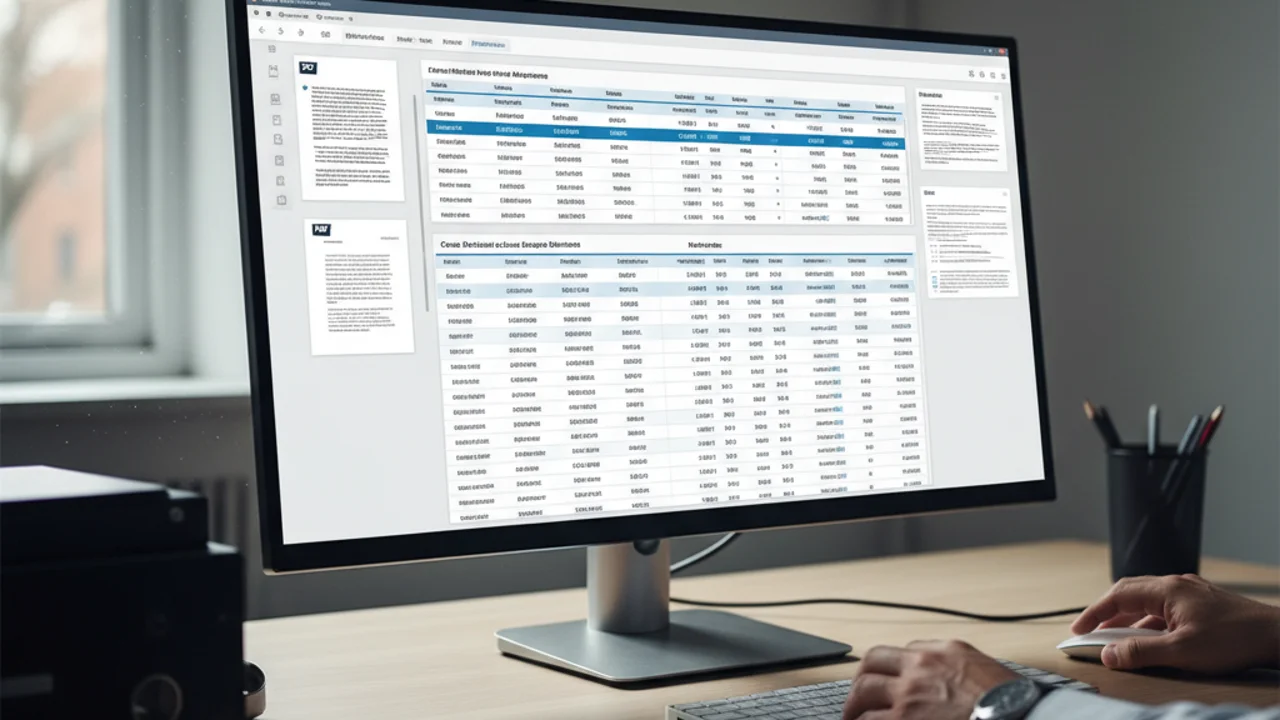
The Critical Role of MFI Credit Assessment Fees in Risk Mitigation
Understanding and effectively managing MFI credit assessment fees is paramount for Microfinance Institutions (MFIs) in Kenya to maintain a healthy loan portfolio and mitigate financial risk. These fees cover the essential due diligence required to evaluate a borrower's creditworthiness, ensuring responsible lending practices and minimizing future defaults. While Swipe Recoveries Experts Ltd primarily focuses on debt recovery, our expertise in analyzing loan portfolios and understanding default patterns provides invaluable insights into optimizing credit assessment processes. Situated at International Life Hse, 8th Floor, Mama Ngina Street, Nairobi, we empower MFIs to make informed lending decisions, thereby reducing the need for costly recovery efforts later on, aligning with our dedication to results that matter.
Regulatory Frameworks and Best Practices for MFI Credit Assessments

The structure and application of MFI credit assessment fees in Kenya are influenced by several key regulatory and operational frameworks. The Microfinance Act 2006 and subsequent guidelines from the Central Bank of Kenya (CBK) ensure that MFIs operate within a sound regulatory environment, promoting responsible lending. While specific caps on credit assessment fees are not always explicitly defined by the CBK, the overarching principle is transparency and fairness to the borrower. MFIs must also adhere to the Data Protection Act 2019 when collecting and processing personal information for credit scoring. Best practices involve utilizing data from licensed Credit Reference Bureaus (CRBs) such as Metropol, TransUnion, or Creditinfo. The CRB Act (Kenya National Payment System Act and its regulations) provides the legal basis for sharing credit information. Thorough credit assessments minimize loan defaults, thereby safeguarding the MFI's financial stability and reducing the need for extensive debt recovery. Swipe Recoveries Experts Ltd advises MFIs on integrating robust assessment practices, understanding that prevention is often more cost-effective than cure, and helps analyze how initial assessments impact overall recovery needs.
Components and Procedure of MFI Credit Assessment Fees in Kenya
MFI credit assessment fees typically encompass various components reflecting the cost of comprehensive borrower evaluation. These include charges for accessing Credit Reference Bureau (CRB) reports, which are fundamental for understanding a borrower's historical credit behavior. Other costs may cover administrative processing of loan applications, verification of submitted documents (e.g., KRA PIN, national ID, business registration), and physical site visits for micro-enterprise evaluations or collateral assessments. The procedure often begins with a formal loan application, followed by the MFI conducting background checks, financial analysis, and risk profiling. The MFI reviews CRB data to ascertain the applicant's credit score and existing indebtedness. Depending on the loan product, additional due diligence may involve verifying income streams or assessing business viability. These processes, while incurring fees, are crucial for identifying high-risk applicants and minimizing non-performing loans (NPLs). Swipe Recoveries Experts Ltd, based in International Life Hse, Nairobi, can offer advisory services to MFIs on optimizing their credit assessment processes to reduce potential defaults, providing valuable insights drawn from extensive experience in the debt recovery sector, thus improving the overall quality of loan portfolios.
Typical MFI Credit Assessment Fees and Cost Optimization Strategies
The actual amounts for MFI credit assessment fees can vary among different institutions and loan products in Kenya. Typically, CRB report fees are relatively standardized, often ranging from KES 50 to KES 250 per report. Administrative and processing fees can be more substantial, sometimes a flat rate or a small percentage of the loan amount, commonly ranging from KES 500 to KES 5,000 for smaller micro-loans, though larger loans might incur higher fees. It's crucial for MFIs to clearly communicate these fees to applicants upfront to ensure transparency, as mandated by the Consumer Protection Act 2012. To optimize these costs and enhance the effectiveness of credit assessment, MFIs can invest in robust internal credit scoring models, leverage technology for automated data verification, and conduct regular training for their credit officers. By refining their assessment processes, MFIs can reduce their risk exposure and, consequently, the need for extensive and costly debt recovery interventions. Swipe Recoveries Experts Ltd, with our strong background in debt recovery and financial surveillance from our Nairobi location, can provide strategic advice on how efficient credit assessment directly contributes to a healthier loan book and overall financial stability, ultimately reducing the need for our recovery services.