Decoding Microfinance Institution Repossession Costs and Processes
Understanding MFI repossession rates is crucial for both borrowers and lenders in Kenya. Microfinance institutions (MFIs) play a vital role in financial inclusion, offering credit to individuals and small businesses. However, in cases of loan default, repossession of collateral becomes a necessary, albeit complex, process. These rates are not arbitrary; they are governed by specific statutory frameworks and industry practices, aiming to cover the costs associated with the recovery of assets. Factors such as the type of collateral, its value, the duration of default, and the legal and administrative procedures involved all contribute to the final costs. Swipe Recoveries Experts Ltd provides comprehensive guidance on these rates, ensuring transparency and compliance throughout the repossession journey from our International Life House office in Nairobi.
Legal Frameworks Governing MFI Repossessions in Kenya
The repossession of assets by Microfinance Institutions in Kenya operates under a robust legal framework designed to protect both lenders and borrowers. Key legislation includes the Microfinance Act, 2006, and regulations issued by the Central Bank of Kenya (CBK), which provide guidelines for MFI operations, including loan recovery practices. Additionally, the Chattels Transfer Act (Cap 28) is fundamental for movable assets, dictating the legal transfer of ownership and the rights of a chargee (lender) to seize collateral upon default. For motor vehicles, the National Transport and Safety Authority (NTSA) plays a role in facilitating the transfer of ownership post-repossession. Furthermore, the Auctioneers Act (Cap 526) and its rules govern the process by which repossessed assets are valued, proclaimed, and ultimately disposed of through public auction. These legal instruments ensure that repossession activities are conducted ethically, transparently, and in adherence to due process. Ignorance of these laws can lead to costly legal disputes and regulatory penalties. Swipe Recoveries Experts Ltd, based at International Life Hse, 8th Floor, Mama Ngina Street, Nairobi, specializes in navigating these intricate legal requirements to ensure compliant and effective repossession services.

The MFI Repossession Process and Borrower Rights
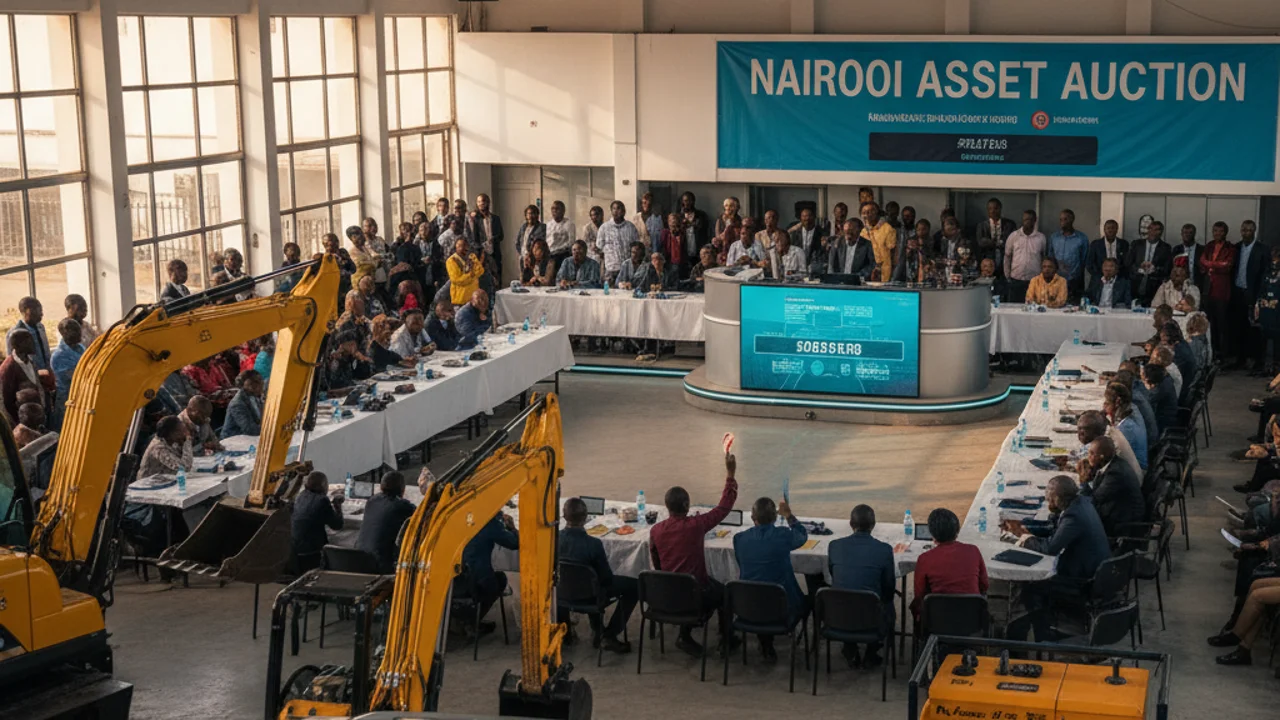
The MFI repossession process typically begins after a borrower defaults on their loan obligations, despite prior attempts at restructuring or communication. According to established protocols, the MFI must issue a statutory notice of default, providing the borrower with a specified period (e.g., 21 days for chattels under some agreements) to rectify the default. If the default persists, the MFI can then initiate repossession proceedings. This usually involves engaging licensed auctioneers, who, under the authority granted by the Auctioneers Board of Kenya and the terms of the security agreement, can seize the collateral. Upon seizure, a proclamation notice is issued, specifying the items repossessed and providing a redemption period (typically 7-14 days), during which the borrower can clear their arrears and recover the asset. Failure to redeem leads to the asset being advertised and sold via public auction. Borrowers retain several rights throughout this process, including the right to adequate notice, the right to redeem their property, and the right to any surplus funds after the sale. Swipe Recoveries Experts Ltd ensures all these procedural steps are meticulously followed, safeguarding both the lender's interest and the borrower's legal entitlements, aligning with the highest standards of professional conduct in Nairobi.
Factors Influencing MFI Repossession Rates and Cost Estimates

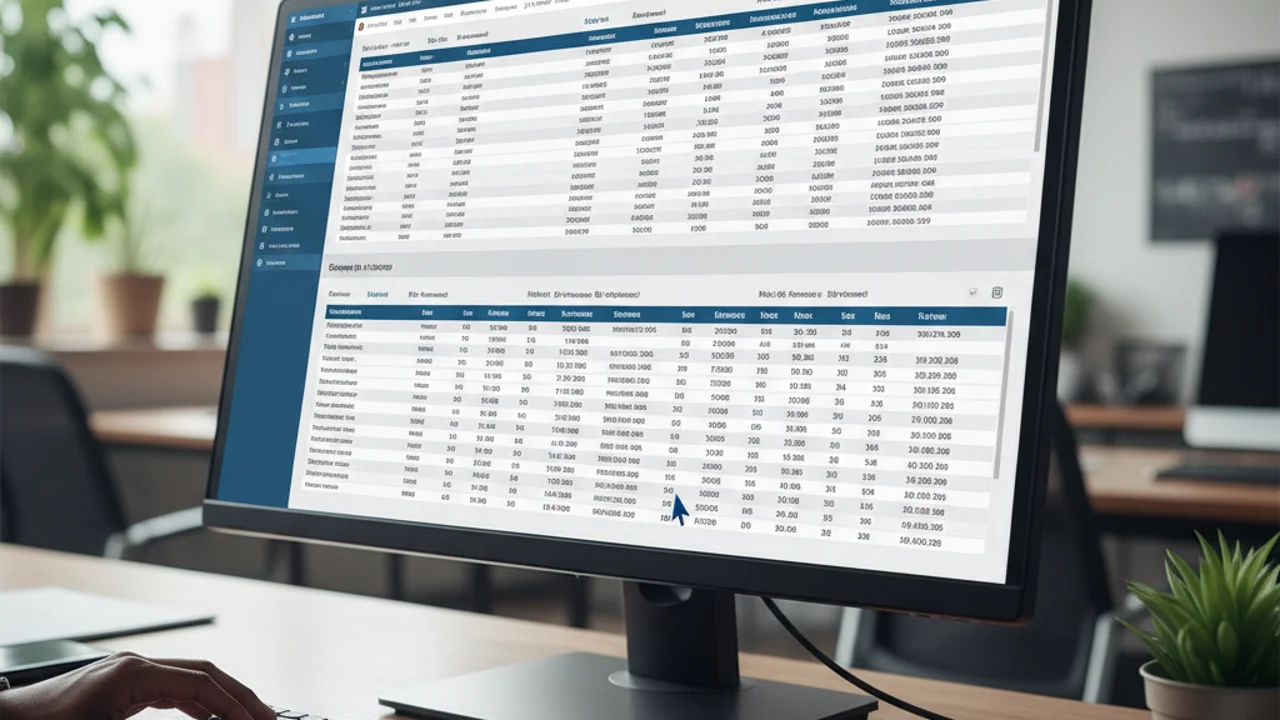
Several factors directly influence MFI repossession rates in Kenya. These typically include the nature of the asset (e.g., motor vehicle, household goods, business equipment), its location (urban vs. rural), and the complexity of the recovery. The main cost components are: Valuation Fees (to determine market value), Auctioneer's Commission (a percentage of the sale price, often regulated by the Auctioneers Act rules, typically 5-10% for the first KES 100,000 and 2.5-5% thereafter), Storage Fees (daily rates for safekeeping the asset), and Legal Fees (for court orders if necessary). For instance, repossessing a vehicle in Nairobi might incur KES 15,000-30,000 in initial auctioneer fees, plus daily storage of KES 1,000-2,000. These rates are designed to compensate for the significant effort and risk involved in asset recovery. Swipe Recoveries Experts Ltd provides transparent, itemized cost estimates tailored to each specific case, ensuring clients understand the financial implications before proceeding. Our dedication to clear communication and fair practices helps clients navigate these costs effectively, providing results that matter.