Understanding the Foundation of Debt Laws in Kenya
Understanding Kenya debt laws is fundamental for both creditors seeking to recover outstanding dues and debtors aiming to understand their rights and obligations. Kenya operates under a robust legal framework designed to regulate credit, enforce contracts, and provide mechanisms for debt resolution. These laws are crucial for maintaining financial stability and fostering a predictable economic environment. Key statutes govern various aspects of debt, from the initial lending agreement to the final stages of enforcement and insolvency. Swipe Recoveries Experts Ltd offers unparalleled expertise in navigating these complex legal provisions, ensuring compliance and effective outcomes for our clients across Kenya.
Primary Statutory Frameworks Governing Debt in Kenya
The landscape of Kenya debt laws is shaped by several critical statutes. The Contracts Act Cap 23 forms the bedrock for all agreements, including loan contracts, defining their enforceability. The Limitation of Actions Act Cap 22 is crucial as it sets the time limits within which legal proceedings for debt recovery must be initiated, typically six years for contractual debts and twelve years for claims founded on a deed or bond. For corporate entities and individuals facing severe financial distress, the Insolvency Act 2015 provides comprehensive provisions for receivership, administration, liquidation, and individual bankruptcy, outlining the processes for debt restructuring and asset distribution among creditors. Furthermore, the Civil Procedure Act Cap 21 and its Rules dictate the procedural aspects of filing and prosecuting debt recovery cases in Kenyan courts. Specific sectors also have their own regulations, such as the Banking Act for financial institutions and the Microfinance Act 2006 for MFIs. Our expertise at Swipe Recoveries Experts Ltd covers these diverse legal instruments, ensuring thorough adherence and effective application.

Debt Recovery Procedures and Enforcement under Kenyan Law
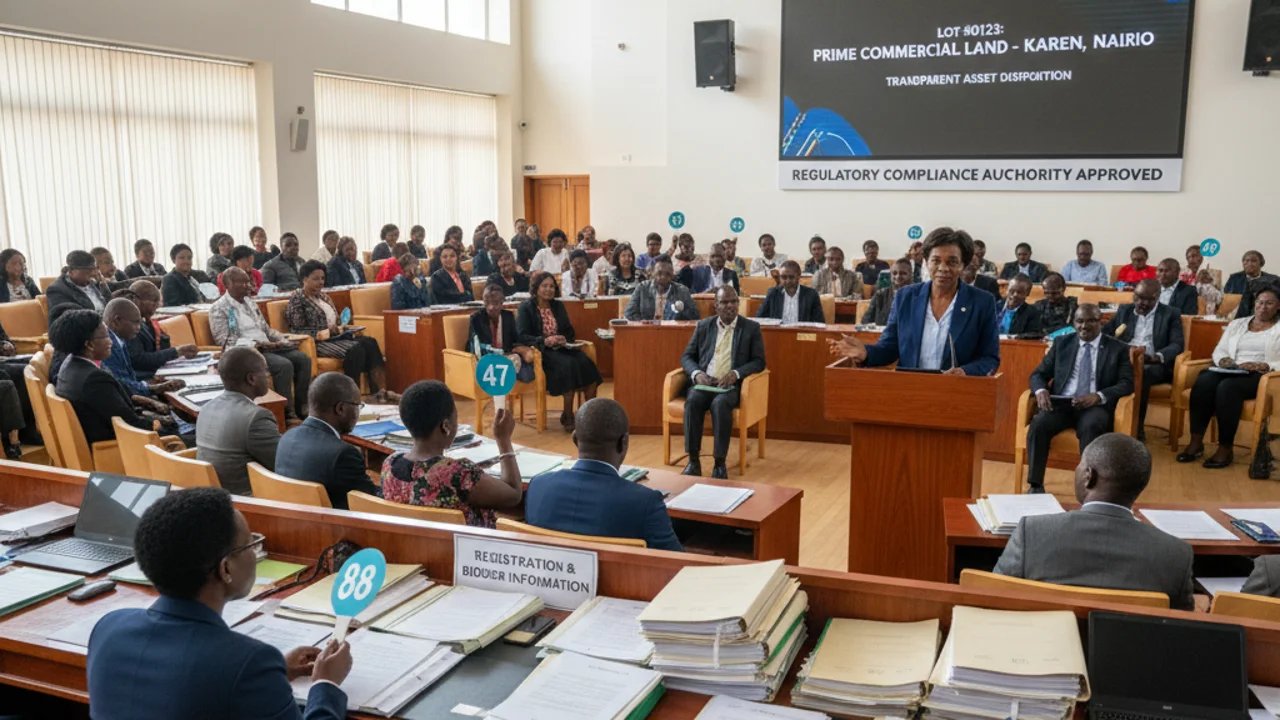
Under Kenya debt laws, the typical debt recovery procedure commences with formal demand notices, often a statutory requirement before legal action. If payment is not made, creditors can initiate legal proceedings in the appropriate court, whether the Magistrates' Court for smaller claims or the High Court for larger or more complex disputes. Once a judgment is obtained, the enforcement phase begins. The Civil Procedure Act Cap 21 outlines various methods of enforcement, including attachment and sale of the judgment debtor's movable or immovable property (e.g., through public auction conducted under the Auctioneers Act Cap 526), garnishee proceedings (to attach funds in a bank account), or committal to civil jail in certain circumstances. For debts secured by land, the Land Act 2012 and Land Registration Act 2012 provide for the chargee's (lender's) power of sale upon borrower default. Understanding and executing these procedures precisely is paramount for successful debt realization. Swipe Recoveries Experts Ltd, located at International Life Hse, Nairobi, specializes in navigating these intricate enforcement mechanisms across Kenya.
Debt Recovery & Auctioneering Coverage in Kenya
Swipe Recoveries Experts Ltd provides commercial recovery, skip tracing, and auctioneering services across Kenya and all 47 counties in Kenya.
Compliance, Debtor Rights, and Professional Guidance in Kenya

Compliance with Kenya debt laws is not only essential for creditors but also safeguards debtor rights. Laws like the Consumer Protection Act offer protections against unfair practices, while the Data Protection Act 2019 governs how personal data, including debt information, is collected and processed. Debtors have rights to receive proper notice, dispute claims, and, in cases of insolvency, benefit from structured processes designed for rehabilitation or orderly liquidation. For creditors, understanding the nuances of these laws prevents legal challenges and ensures that recovered debts are legitimately obtained. Engaging professional debt recovery specialists like Swipe Recoveries Experts Ltd is a prudent step. Our services ensure that all recovery efforts are conducted within the legal confines, minimizing risks for our clients while maximizing the chances of successful recovery. Our fee structures for legal consultations and recovery services are transparent, with preliminary advice starting from approximately KES 10,000 to KES 25,000, escalating based on the complexity and volume of the recovery case.