The Crucial Role of Repossession in SACCO Loan Recovery
For Savings and Credit Co-operative Societies (SACCOs) across Kenya, managing loan defaults is a critical challenge. SACCO repossession Kenya refers to the legal process of reclaiming collateralized assets when a borrower fails to meet their loan obligations. This action is a necessary measure to protect the SACCO's financial stability and ensure fairness to other members. Repossession is typically a last resort, undertaken after other recovery efforts have failed, but it must be executed meticulously according to established legal frameworks. Swipe Recoveries Experts Ltd specializes in providing SACCOs with compliant, efficient, and professional repossession services. Our expertise ensures that the process adheres to all regulatory requirements set by bodies like the Sacco Societies Regulatory Authority (SASRA), safeguarding the SACCO's interests and maintaining its reputation within the cooperative movement.
Legal Framework and Regulatory Compliance for SACCO Repossession
SACCO repossession Kenya is strictly governed by a combination of statutes and regulations designed to protect both the lender and the borrower. Key legislation includes the Co-operative Societies Act Cap 490, the Sacco Societies Regulatory Authority (SASRA) Act, and the Insolvency Act, 2015. SASRA plays a pivotal role in regulating SACCOs, setting standards for lending, and outlining procedures for default management and asset recovery. Prior to repossession, SACCOs must ensure they have adhered to all terms of their loan agreements, including issuing proper default notices and following due process, such as providing ample opportunity for the debtor to rectify the default. Repossession of assets such as vehicles (governed by the National Transport and Safety Authority - NTSA regulations for logbook transfers) or land (governed by the Land Act and Land Registration Act) requires strict adherence to legal notices and sometimes court orders. Any deviation can render the repossession illegal and subject the SACCO to legal challenge. Swipe Recoveries Experts Ltd prides itself on its deep understanding of these intricate legal requirements, ensuring all repossession activities are fully compliant with Kenyan law.

The Repossession Process: Steps and Practical Considerations
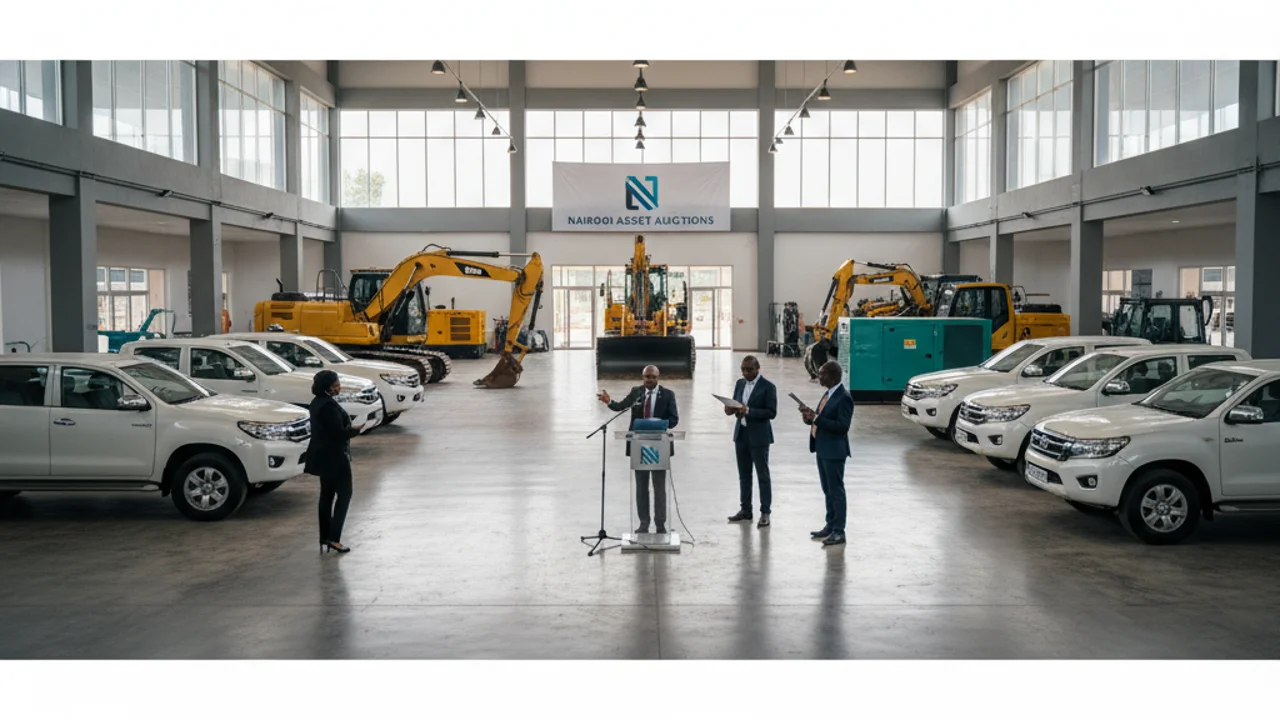
The process for SACCO repossession Kenya involves several sequential steps designed to ensure legal compliance and minimize disputes. Initially, the SACCO must issue a statutory notice of default to the borrower, providing a specified period (e.g., 30-90 days, as per loan agreements or relevant acts like the Land Act) to remedy the default. If the default persists, the SACCO can then instruct a licensed auctioneer or recovery agent. The agent will then serve a notice of intention to repossess and, if necessary, physically repossess the collateralized asset. For vehicles, this involves securing the vehicle, preparing an inventory, and arranging for secure storage. For land or buildings, it may involve obtaining a court order for vacant possession. All assets must be valued by a licensed valuer before a public auction can be conducted. Documentation is critical throughout: loan agreements, demand notices, valuation reports, and transfer documents must be meticulously managed. Swipe Recoveries Experts Ltd manages this entire process, from serving notices and securing assets to overseeing the subsequent auction, ensuring transparency and efficiency while mitigating legal risks for the SACCO. Our team handles logistics and compliance, allowing SACCOs to focus on their core operations.
Debt Recovery & Auctioneering Coverage in Kenya
Swipe Recoveries Experts Ltd provides commercial recovery, skip tracing, and auctioneering services across Kenya and all 47 counties in Kenya.
Cost Implications and Maximizing Recovery for SACCOs

The costs associated with SACCO repossession Kenya are varied but are ultimately aimed at maximizing the recovery of outstanding loans. Typical expenses include the cost of serving legal notices (ranging from KES 5,000 to KES 15,000 per notice), valuation fees (which depend on the asset, often KES 10,000 - KES 100,000+), physical repossession charges (variable, depending on complexity and location), storage fees for the repossessed asset, advertising costs for the subsequent auction (KES 5,000 to KES 50,000 per publication), and the auctioneer's commission (as per the Auctioneers Act, typically 2.5% to 10% of the sale price). Legal fees for court orders or defending challenges can also accrue. While these costs can seem significant, they are an investment in recovering larger sums of principal and interest. Swipe Recoveries Experts Ltd provides SACCOs with a transparent breakdown of all anticipated costs, ensuring clarity and helping manage expectations. Our efficient processes aim to minimize expenses and expedite the recovery of funds, improving the SACCO's liquidity and financial health. We prioritize ethical and cost-effective solutions for our SACCO partners.