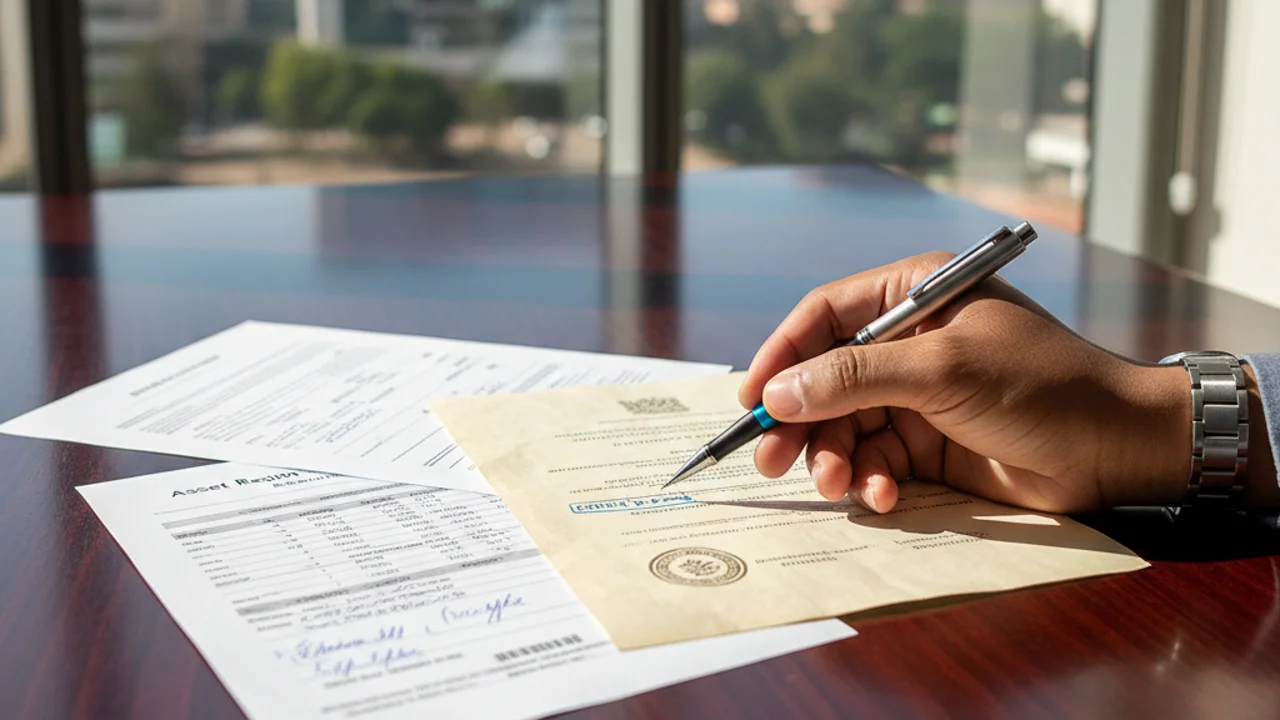
Understanding Mortgagee Auction Properties in the Kenyan Market
Mortgagee auction properties represent a significant opportunity for investors and homebuyers in Kenya, often offering assets below market value. These properties become available when a property owner (chargor) defaults on their mortgage loan, leading the lender (chargee) to exercise their power of sale to recover the outstanding debt. While potentially lucrative, purchasing such properties requires meticulous due diligence, a clear understanding of the auction process, and awareness of the legal implications involved. Swipe Recoveries Experts Ltd, based at International Life Hse, Mama Ngina Street, Nairobi, provides invaluable insights and guidance for navigating this market, ensuring clients make informed decisions and secure valuable assets responsibly, embodying our dedication at the core of every engagement.
Legal Due Diligence for Mortgagee Auction Properties
Before investing in mortgagee auction properties, comprehensive legal due diligence is paramount. The sale of such properties is governed primarily by the Land Act, 2012, particularly Sections 96, 97, and 98, which outline the chargee’s power of sale and the procedures for public auctions. Prospective buyers must verify that the auctioneer conducting the sale is properly licensed under the Auctioneers Act, Cap 526, and that all statutory notices (90-day, 40-day, 30-day redemption notices) were duly issued to the chargor. It's crucial to conduct a thorough search at the Ministry of Lands and Physical Planning to ascertain the property's title deed, verify ownership, check for any existing encumbrances (e.g., caveats, additional charges), and confirm payment of land rates and ground rent. Understanding the 'as is where is' basis of these sales is also vital, as buyers inherit the property in its current condition.

The Process of Acquiring Mortgagee Auction Properties
Acquiring mortgagee auction properties typically involves several key stages. First, potential buyers identify properties advertised by licensed mortgagee auctioneers Kenya in national newspapers (e.g., The Standard, Daily Nation) and the Kenya Gazette. This is followed by property viewing, though often external, to assess condition. On the auction day, bidders participate in a public auction. The successful bidder, upon the fall of the hammer, is required to pay a non-refundable deposit, usually 25% of the purchase price. The balance, often 75%, must be paid within a stipulated period, commonly 90 days. Failure to complete payment can lead to forfeiture of the deposit. Upon full payment, the transfer of ownership is facilitated, involving legal conveyancing processes and payment of stamp duty. Swipe Recoveries Experts Ltd assists clients through these steps, ensuring all procedural requirements are met diligently.
Financial Considerations and Risks in Mortgagee Property Auctions

Investing in mortgagee auction properties presents unique financial considerations. Beyond the bid price, buyers must factor in additional costs such as auctioneer's fees (statutory, typically a percentage of the sale price as per Auctioneers Act, Cap 526, Schedule 6), legal fees for conveyancing, stamp duty (often 2-4% of the property value depending on location), and potential costs for rectifying any structural defects or outstanding utility bills. Financing can be challenging, as banks often require quick settlements, making cash buyers or those with pre-approved financing advantageous. Risks include potential legal disputes from the defaulting chargor, who might obtain court injunctions, and the 'as is where is' condition which could hide significant repair costs. Engaging experts like Swipe Recoveries helps mitigate these risks, providing comprehensive advice on valuation, legal compliance, and financial planning, ensuring our clients achieve results that matter.