Understanding Bank Vehicle Repossession Sale in Kenya
A bank vehicle repossession sale offers a unique opportunity to acquire vehicles at competitive prices in Kenya. These sales occur when a borrower defaults on their loan obligations, leading financial institutions to repossess the collateral—in this case, a vehicle. Understanding the intricacies of this process is crucial for both buyers seeking value and institutions ensuring due process. Swipe Recoveries Experts Ltd specializes in the precise and legally compliant execution of repossessions and subsequent sales, ensuring all parties adhere to the stipulated frameworks. Our expertise ensures transparency and efficiency, whether you are interested in participating in such an auction or seeking professional support for asset recovery.
Legal Framework and Compliance for Vehicle Repossession Sales
The process of a bank vehicle repossession sale in Kenya is governed by a stringent legal framework designed to protect both the lender and the borrower. Key legislation includes the Chattels Transfer Act (Cap 28), which dictates the registration of security interests over movable property, and the Auctioneers Act (Cap 526), which regulates the conduct of public auctions. Financial institutions, operating under the purview of the Banking Act and guidelines from the Central Bank of Kenya (CBK), must adhere to strict protocols before repossessing an asset. This typically involves issuing statutory notices, allowing the borrower an opportunity to remedy the default, and ensuring the vehicle's valuation is conducted by a licensed valuer to establish a fair reserve price.
Furthermore, the repossession itself must be carried out peacefully and without breaching the peace, often by licensed repossessors. Any deviation from these legal requirements can lead to severe penalties or even the nullification of the sale. Buyers interested in a bank vehicle repossession sale should always verify the legitimacy of the auction and ensure proper documentation is provided, including the vehicle's logbook and transfer forms (Form C). Swipe Recoveries Experts Ltd ensures meticulous adherence to these statutory frameworks, providing confidence and legal soundness to every repossession and sale activity we manage, thereby safeguarding all involved parties.

Procedure for Participating in Bank Vehicle Auctions
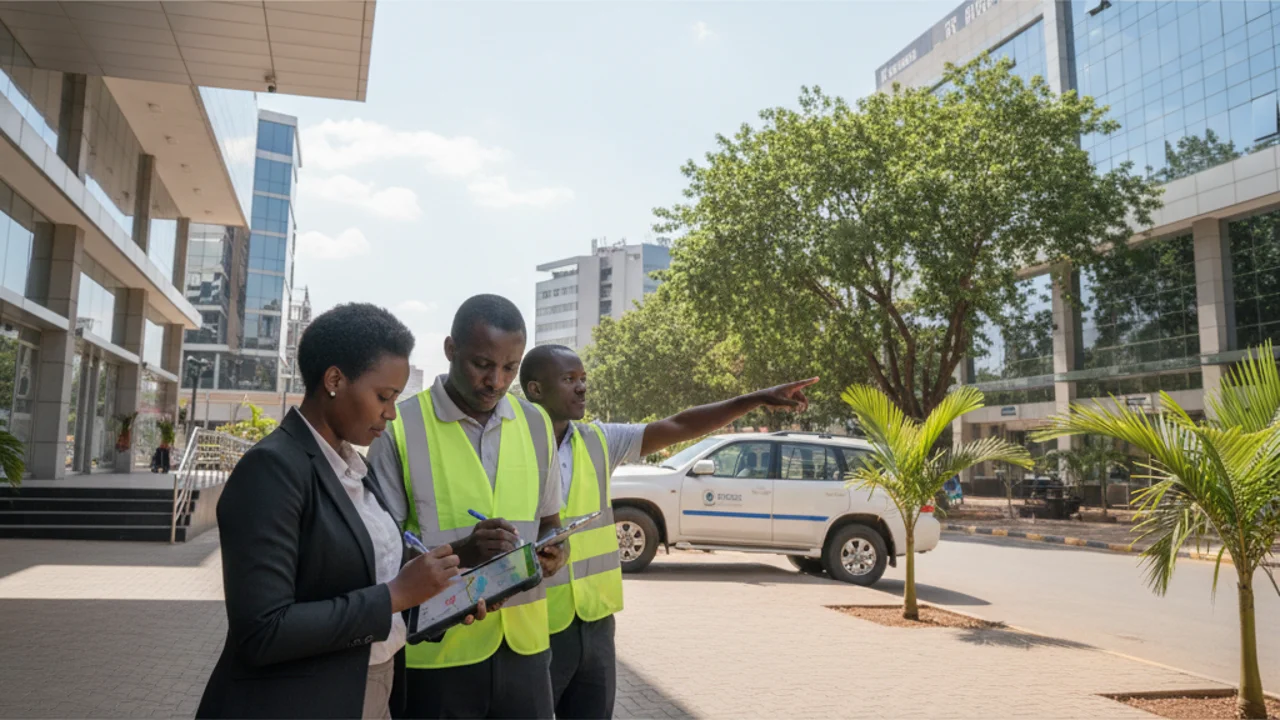
Participating in a bank vehicle repossession sale requires careful preparation and an understanding of the auction process. Prospective buyers typically begin by identifying auction listings, which are often advertised in local newspapers, on bank websites, or through licensed auctioneers. Once an auction is identified, it is paramount to conduct thorough due diligence. This includes viewing the vehicle during the specified inspection period, checking its physical condition, verifying mileage, and, if possible, reviewing service records. It is also advisable to conduct a search with the National Transport and Safety Authority (NTSA) to confirm the vehicle’s ownership and check for any encumbrances or outstanding fines.
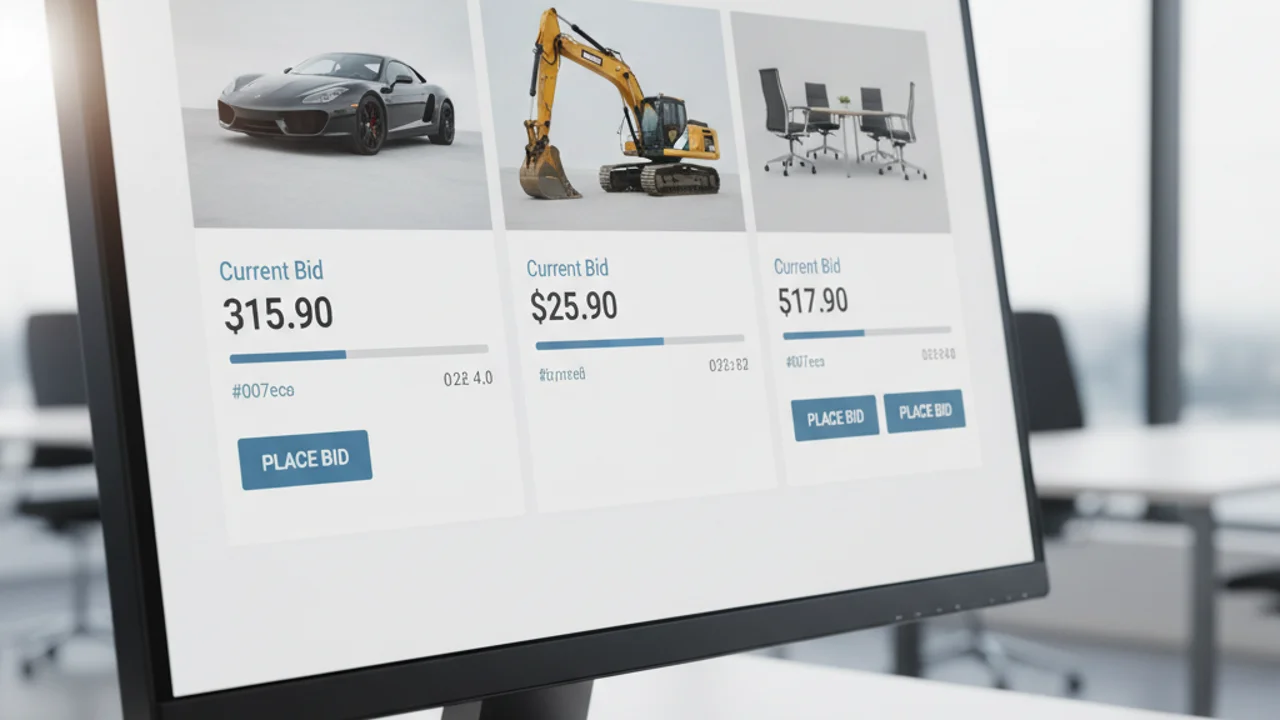
On the auction day, buyers are required to register and pay a refundable deposit, which allows them to bid. Bidding is conducted openly, and the vehicle is sold to the highest bidder above the reserve price. Upon winning the bid, the buyer is usually required to pay a certain percentage of the bid amount immediately (e.g., 25% for Swipe Recoveries Auctions) and the balance within a stipulated timeframe, typically 7-14 days. Failure to complete payment within this period can result in forfeiture of the deposit. Swipe Recoveries Experts Ltd provides comprehensive guidance through each step, from pre-auction inspection to final ownership transfer, ensuring a seamless and legally compliant acquisition.
Costs, Fees, and Practical Guidance for Repossession Sales

When considering a bank vehicle repossession sale, it's essential to factor in all potential costs beyond the hammer price. These typically include an auctioneer's commission, often around 5-10% of the sale price, payable by the buyer. Additionally, buyers will incur NTSA vehicle transfer fees, which vary depending on the vehicle's engine capacity (e.g., KES 1,000 to KES 10,000+), and potential Kenya Revenue Authority (KRA) taxes if applicable, though most repossessed vehicles are already locally registered. Other costs might include inspection fees, vehicle valuation report fees (if initiated by the buyer), and any necessary repairs post-purchase.
For example, a car winning a bid of KES 1,000,000 might incur an additional KES 50,000 (5%) in auctioneer commission and KES 5,000 in NTSA transfer fees, bringing the total outlay to KES 1,055,000. It is crucial for buyers to budget for these additional expenses to avoid surprises. Swipe Recoveries Experts Ltd transparently outlines all associated costs upfront, providing clear financial expectations. We recommend having a pre-approved financing option if needed and conducting a thorough pre-purchase inspection to assess any potential repair costs, ensuring a wise and informed investment.