Strategic Solutions for Lending Institution Recovery in Kenya
Effective lending institution recovery is critical for banks, SACCOs, and other financial entities to maintain profitability, regulatory compliance, and investor confidence. In Kenya, the challenge of recovering non-performing loans (NPLs) can significantly impact an institution's balance sheet and operational efficiency. Swipe Recoveries Experts Ltd provides comprehensive, legally sound, and ethically driven recovery services designed to optimize the collection of outstanding debts and the realization of assets. Located at International Life House, 8th Floor, Mama Ngina Street, Nairobi, our team possesses unparalleled expertise in navigating Kenya’s complex financial and legal landscape, ensuring your institution recovers maximum value while adhering to all statutory and regulatory requirements.
Legal & Regulatory Compliance in Lending Institution Recovery in Kenya
Navigating the legal intricacies is fundamental to successful lending institution recovery in Kenya. The sector is primarily governed by the Banking Act (Cap 488), which dictates prudential guidelines and the conduct of banking business, and the Central Bank of Kenya (CBK) Prudential Guidelines that outline NPL classification and provisioning. For SACCOs, the SACCO Societies Act (Cap 490B) and regulations by the SACCO Societies Regulatory Authority (SASRA) apply. Crucially, the Insolvency Act, 2015, provides frameworks for corporate restructuring, liquidation, receivership, and individual bankruptcy, offering various avenues for debt recovery depending on the debtor's status. Enforcement of security interests over land is governed by the Land Act, 2012, and the Land Registration Act, 2012, requiring specific statutory notices (e.g., 90-day notice of default before exercising power of sale). For movable assets, the Movable Property Security Rights Act, 2017, streamlines the process. Adherence to consumer protection laws and fair debt collection practices is also vital to avoid legal challenges and reputational damage. Swipe Recoveries Experts Ltd maintains strict compliance with these robust legal and regulatory frameworks, ensuring all recovery processes are beyond reproach.

Procedure & Requirements for Effective Lending Institution Recovery
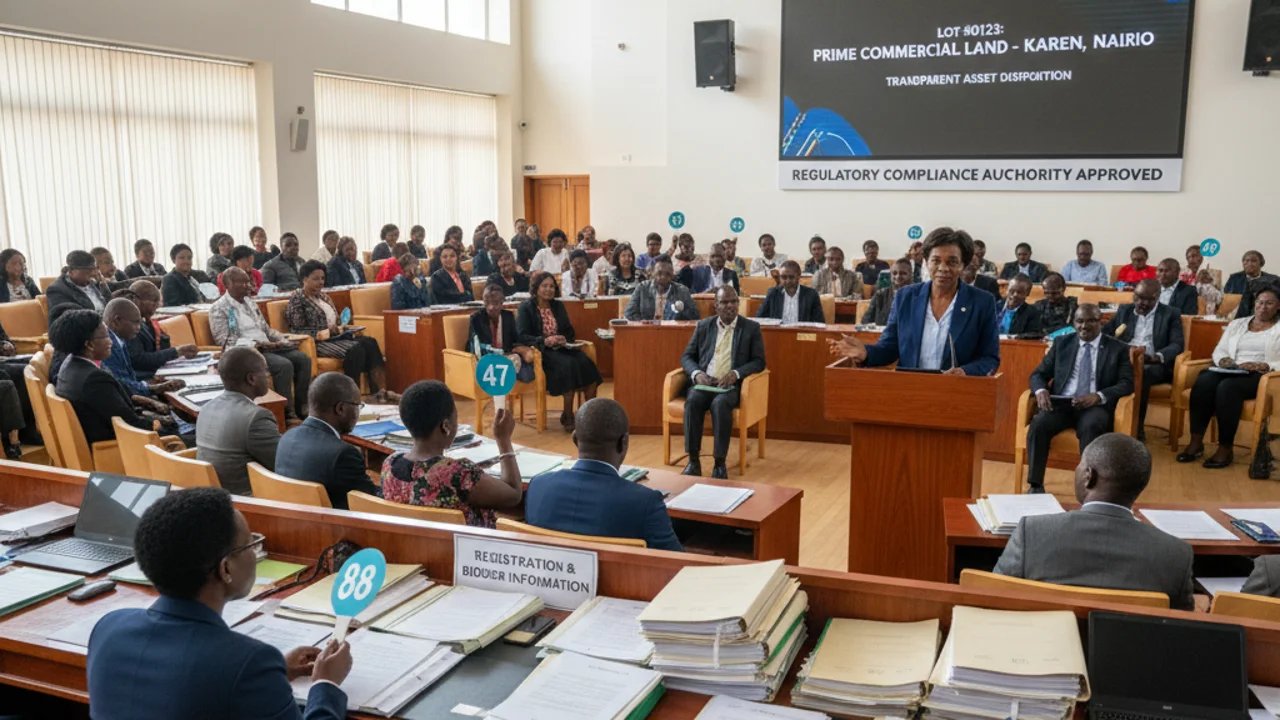
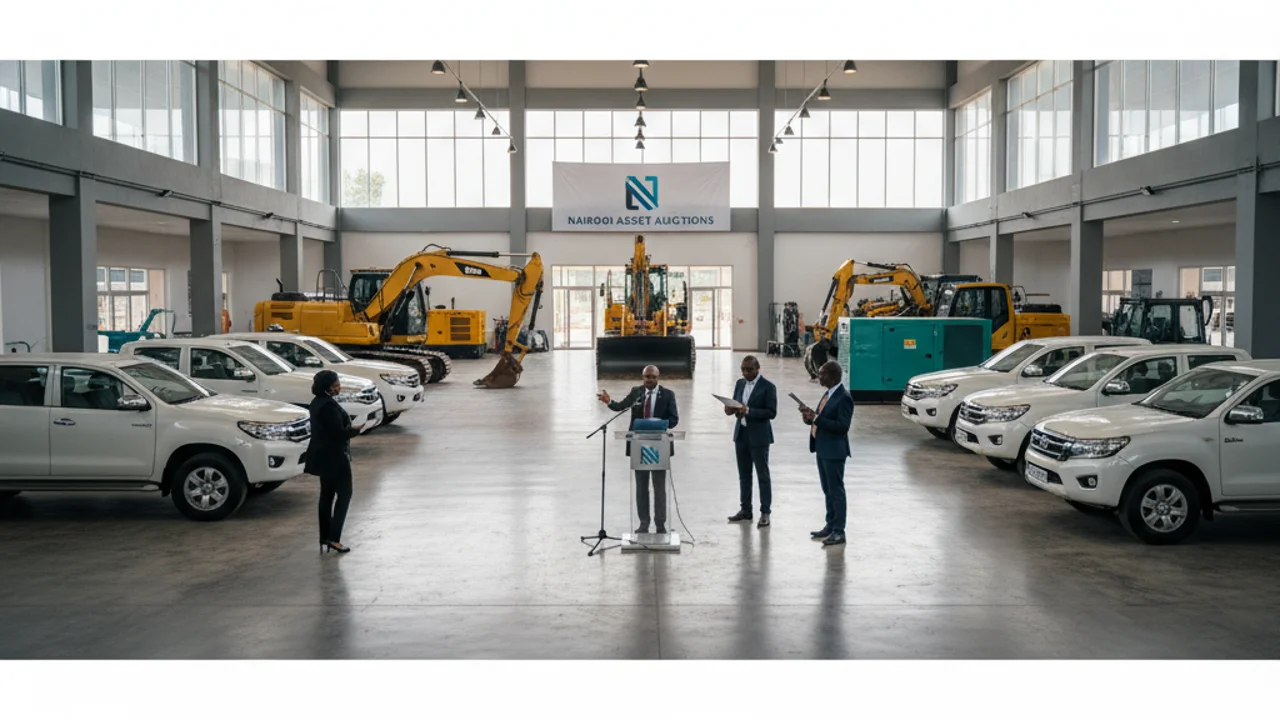
The process of lending institution recovery is multi-faceted, requiring a strategic and phased approach. Upon a loan defaulting, the initial step involves issuing formal demand notices as stipulated in the loan agreement and relevant statutes. For secured loans, the institution proceeds to enforce its security. For immovable property, this typically involves sending a 90-day statutory notice under the Land Act, followed by appointment of an auctioneer for a public auction if the default persists. For movable property, a 21-day notice under the Movable Property Security Rights Act precedes repossession and sale. Unsecured loans, or balances remaining after security realization, often lead to litigation in the Milimani Law Courts or other competent tribunals, culminating in a court order or decree. This decree can then be executed through various means, including attachment of bank accounts, salary garnishments, or sale of other debtor assets. Key documentation includes loan agreements, charge documents, guarantees, statutory demand notices, statements of account, and valuation reports. Swipe Recoveries Experts Ltd excels in skip tracing to locate debtors and assets, conducting thorough asset searches, and managing the entire legal and auctioneering process from our Nairobi office. Our expertise ensures efficient execution and maximum recovery, minimizing the burden on your internal resources.
Cost Implications and Fee Structures for Lending Institution Recovery

Engaging in effective lending institution recovery involves various costs, which institutions must factor into their recovery strategy. Fees typically include legal costs, auctioneering charges, and administrative disbursements. Legal fees for demand letters, statutory notices, and litigation vary, but a basic demand letter might cost KES 7,500 - KES 15,000, while full litigation can range from KES 50,000 upwards depending on the complexity and value of the claim. Auctioneers’ fees for repossession and sale of collateral are regulated by the Auctioneers Act Cap 526. For movable property, it's generally 5% of the first KES 40,000 and 2.5% on the remainder up to KES 1,000,000, with varying rates for higher values. For immovable property, it's typically 2.5% on the first KES 100,000 and 1.25% on the next KES 40,000,000. Other disbursements include court filing fees (e.g., KES 2,000 - KES 10,000+), process server fees (KES 2,000 - KES 4,000), and valuation fees (KES 10,000 - KES 50,000+ depending on asset type). Swipe Recoveries Experts Ltd offers transparent, competitive fee structures, including performance-based commissions, ensuring a cost-effective recovery process. We are committed to providing value, allowing your institution to forecast costs accurately from our base in International Life House, Nairobi.