Understanding the Lifecycle of a Mombasa Repossessed Vehicle
A Mombasa repossessed vehicle represents an asset that has been legally taken back by a lender due to a borrower's failure to meet loan repayment obligations. These vehicles are subsequently sold, typically through public auctions, to recover the outstanding debt. Understanding the process, from repossession to eventual sale, is vital for both lenders ensuring compliance and buyers seeking opportunities. Swipe Recoveries Experts Ltd stands at the forefront of ethical and legal asset recovery in Kenya, collaborating with financial institutions and licensed auctioneers in Mombasa to manage the entire lifecycle of such vehicles, ensuring adherence to the Auctioneers Act Cap 526.
The Repossession Process for Vehicles in Mombasa
The journey of a Mombasa repossessed vehicle begins when a borrower defaults on a secured loan, usually a logbook loan or hire purchase agreement. Lenders, such as banks or Saccos, initiate the repossession process by issuing formal demand notices to the defaulting party, allowing a grace period to remedy the default. If the default persists, the lender obtains a court order from a competent court, such as a Magistrate's Court or the High Court in Mombasa, authorizing the repossession. This ensures the repossession is legal and avoids confrontation.
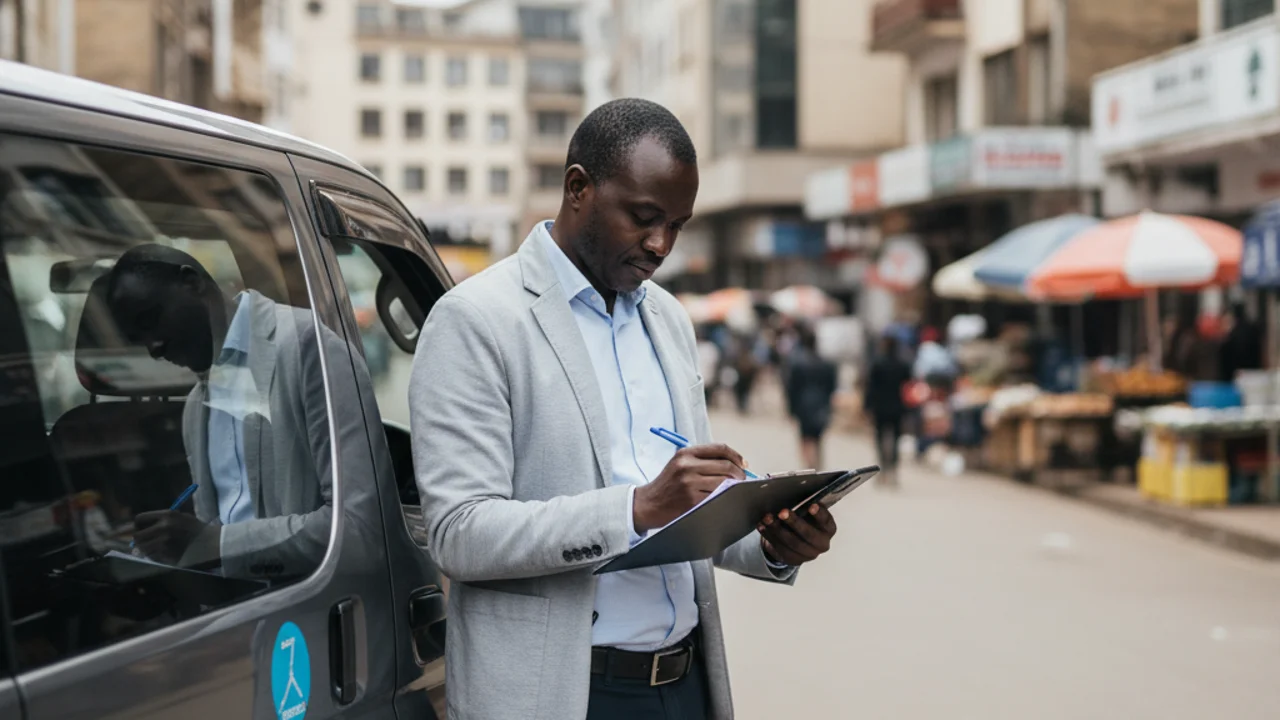
Once a court order is secured, a licensed auctioneer, regulated by the Auctioneers Board and operating under the Auctioneers Act, Cap 526, is appointed to physically recover the vehicle. The recovery is conducted professionally, often after informing the borrower, and the vehicle is then transported to a secure holding yard in Mombasa County, for instance, near Port Reitz or Changamwe. Throughout this phase, Swipe Recoveries Experts Ltd provides strategic guidance to financial institutions, ensuring strict adherence to legal protocols and ethical standards, minimizing legal risks and maintaining the integrity of the asset recovery process within the framework of Kenyan law.
Auctioning a Mombasa Repossessed Vehicle: Procedure and Compliance
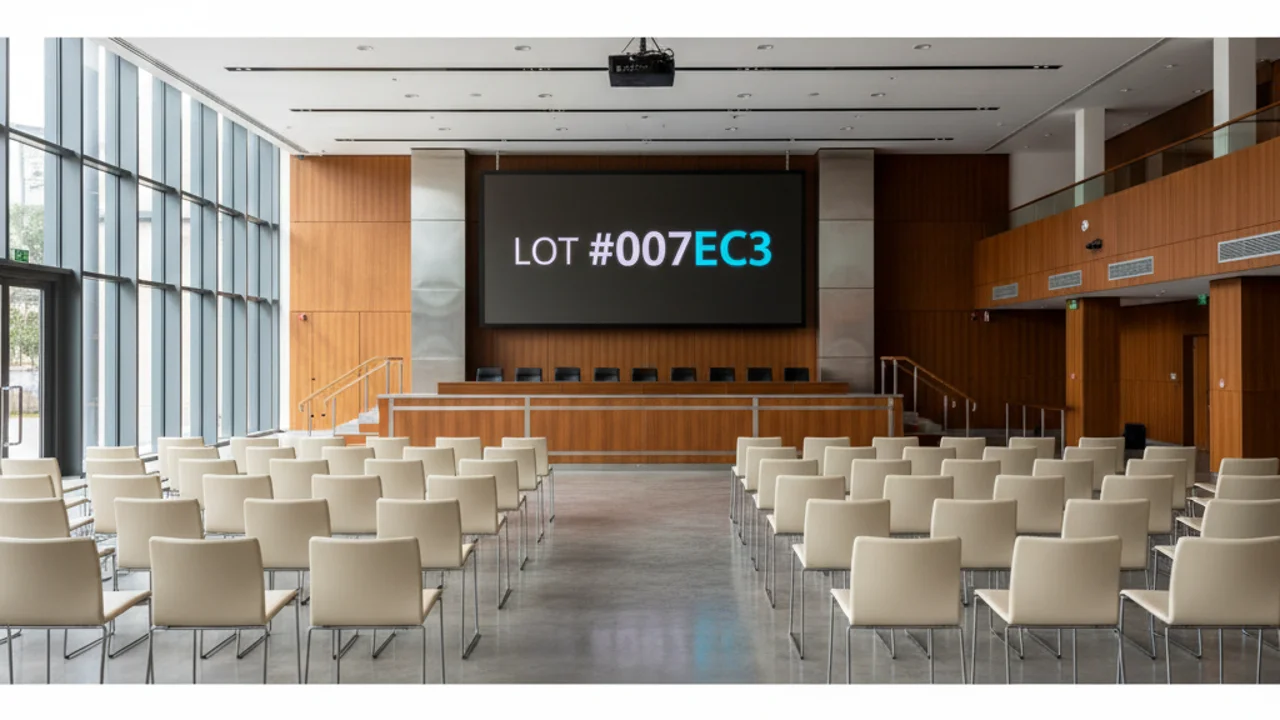
After a Mombasa repossessed vehicle is secured, the next step is its public sale through auction to recover the outstanding loan amount. The licensed auctioneer must follow strict procedures outlined in the Auctioneers Act, Cap 526. This includes valuing the vehicle, typically by a registered motor vehicle valuer, and publicly advertising the auction. Advertisements are usually placed in national newspapers and local Mombasa publications, clearly stating the date, time, and location of the auction, often held at designated auction yards in areas like Likoni or along Moi Avenue.
Prospective buyers are invited to pre-auction viewing sessions where they can inspect the vehicle. Crucially, the sale is conducted on an "as is, where is" basis, implying no warranties. Buyers must register and provide a bidding deposit. The vehicle is sold to the highest bidder above the reserve price, if any. Upon a successful bid, the buyer typically pays a non-refundable deposit (e.g., 25% of the hammer price) and the balance within a short timeframe, usually 24-48 hours. Ownership transfer is then processed through the National Transport and Safety Authority (NTSA) TIMS system upon full payment. Swipe Recoveries Experts Ltd ensures that all these steps are meticulously followed, providing transparent and compliant asset disposal services to our clients, including liaising with KRA for tax compliance.
Debt Recovery & Auctioneering Coverage in Mombasa, Kenya
Swipe Recoveries Experts Ltd provides commercial recovery, skip tracing, and auctioneering services across Mombasa, Kenya and all 47 counties in Kenya.
Financial Aspects and Practical Advice for a Repossessed Vehicle
For both lenders and potential buyers, understanding the financial aspects surrounding a Mombasa repossessed vehicle is critical. For lenders, costs include legal fees for court orders, auctioneer's fees for repossession and sale (regulated by the Auctioneers Act, typically 5% of the hammer price up to KES 200,000 and 2.5% on the excess), storage fees, and valuation costs. These costs can significantly impact the net recovery, making efficient disposal paramount. Swipe Recoveries Experts Ltd helps minimize these costs through streamlined processes and strong auctioneer relationships.
For buyers, the total cost includes the hammer price, a buyer's premium (often 10-15% of the hammer price), NTSA transfer fees (usually KES 1,000 - KES 5,000 for logbook transfer), and potentially KRA penalties if there were any outstanding taxes not covered by the seller. It's advisable for buyers to budget for unexpected repairs given the 'as is' nature of the sale. Always perform a comprehensive pre-purchase inspection and verify the vehicle's logbook with NTSA to confirm legal status and ownership. Engaging in due diligence and understanding all potential costs ensures a well-informed purchase, leveraging the opportunities offered by the repossessed vehicle market in Mombasa.