Navigating the Kenyan Vehicle Auction Market for Value
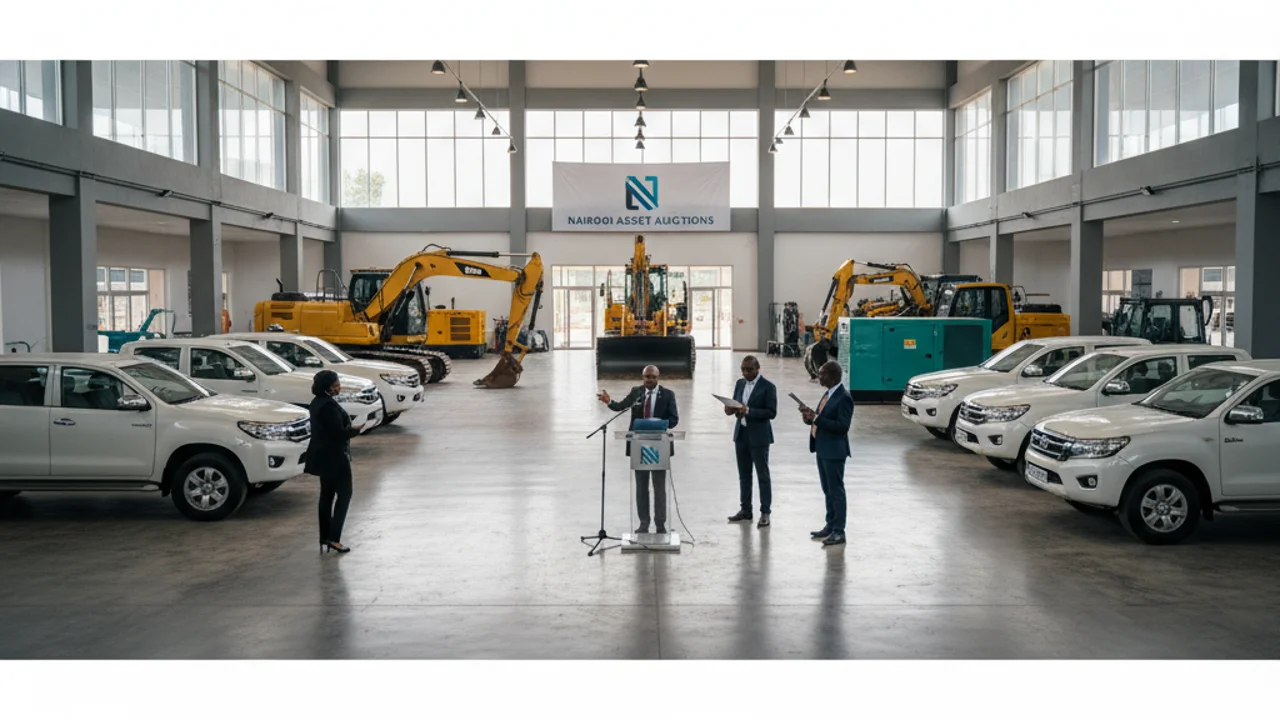
Understanding vehicle auction prices in Kenya is key for both buyers seeking value and sellers aiming to maximize returns on distressed assets. The dynamic nature of the Kenyan vehicle market, coupled with various auction types, significantly influences final prices. Swipe Recoveries Experts Ltd, as licensed and professional auctioneers, provides transparency, expert valuation, and an efficient process for buying and selling vehicles through auction, ensuring results that matter to all parties involved.
Factors Influencing Vehicle Auction Prices in Kenya
Several critical factors dictate vehicle auction prices in Kenya. Foremost among these is the vehicle's condition, including its mechanical integrity, cosmetic appearance, and mileage. A well-maintained vehicle with complete service records will naturally command a higher price. The make and model are also significant; popular brands with readily available spare parts, like Toyota or Isuzu, tend to fetch better prices due to higher demand. Market trends, influenced by economic conditions, fuel prices, and import regulations, play a crucial role.
For instance, the depreciation rate for certain luxury vehicles can be steep, impacting their auction value. The source of the vehicle, whether it's a repossessed car, an insurance write-off, or government surplus, also influences pricing expectations. Auctioneers like Swipe Recoveries conduct thorough pre-auction valuations to set realistic reserve prices, taking into account current market values and the specific characteristics of each vehicle. This ensures a fair assessment for both sellers liquidating assets and buyers seeking competitive deals.

The Auction Process: Valuation, Bidding & Documentation
The process of determining and achieving optimal vehicle auction prices in Kenya is structured and regulated by the Auctioneers Act (Cap 526). It typically begins with a professional valuation of the vehicle, carried out by a registered valuer, to establish a realistic reserve price. Once valued, public notices of the auction are advertised in national newspapers and online platforms, inviting interested bidders to view the vehicles on specific dates.
On auction day, bidders register, often paying a refundable deposit, and then participate in the live bidding process. The vehicle is sold to the highest bidder if their bid meets or exceeds the reserve price (unless advertised as 'without reserve'). Post-auction, the successful bidder is required to make full payment within a specified timeframe. Documentation includes the memorandum of sale, official receipts, and crucially, the process for transferring the vehicle's logbook through the Kenya Revenue Authority (KRA) system to the new owner. Swipe Recoveries Experts Ltd ensures meticulous handling of all documentation and adherence to legal requirements throughout the auction process.
Debt Recovery & Auctioneering Coverage in Kenya
Swipe Recoveries Experts Ltd provides commercial recovery, skip tracing, and auctioneering services across Kenya and all 47 counties in Kenya.
Auction Fees and Associated Costs for Buyers and Sellers in KES

When engaging in vehicle auctions in Kenya, both buyers and sellers need to be aware of the associated fees that can impact the final vehicle auction prices. For buyers, the primary additional cost is often a buyer's premium, typically ranging from 10% to 15% of the hammer price. For example, a vehicle purchased for KES 800,000 might incur an additional KES 80,000 - KES 120,000 in premium. Additionally, buyers are responsible for KRA transfer fees, which can range from KES 3,000 for smaller engine capacities to over KES 10,000 for larger vehicles, along with potential inspection costs.
Sellers, on the other hand, typically pay a commission to the auctioneer, usually a percentage of the final sale price, as per the Third Schedule of the Auctioneers Act. There might also be costs for valuation, advertisement, and storage prior to the auction. It is crucial for both parties to understand these costs upfront to accurately gauge the net financial outcome. Swipe Recoveries Experts Ltd provides clear, transparent breakdowns of all fees, ensuring no hidden surprises and facilitating a fair and equitable transaction for all.