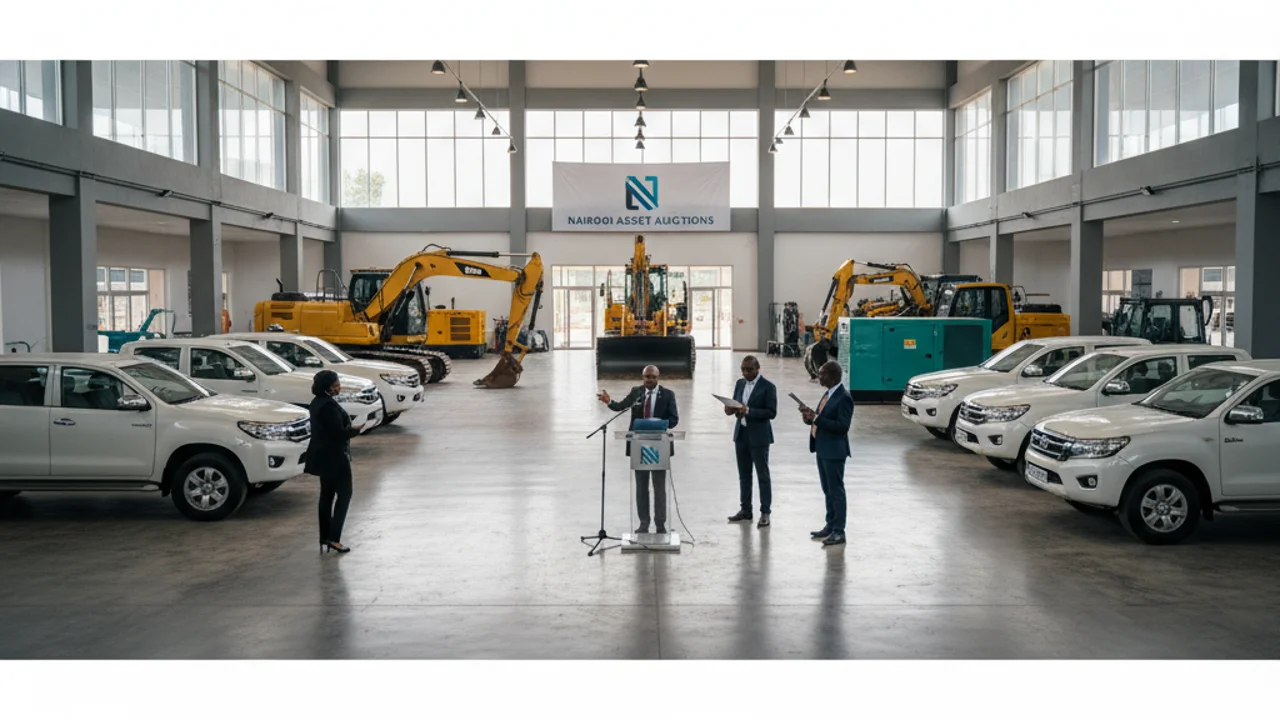
Unlocking Value Through Surplus Property Auctions in Kenya
Engaging in surplus property auctions in Kenya offers a strategic pathway for both businesses to liquidate unneeded assets and individuals to acquire items at competitive prices. Surplus property encompasses a wide range of assets, from real estate and vehicles to equipment and inventory, often resulting from corporate restructuring, liquidation, or debt recovery efforts. This guide delves into the nuances of these auctions, highlighting the legal frameworks, procedural steps, and expert strategies required for successful outcomes. Swipe Recoveries Experts Ltd is a pre-eminent licensed auctioneer in Kenya, providing comprehensive services that ensure transparency, legal compliance, and maximized returns for all stakeholders in surplus property auctions.
Legal Framework and Types of Surplus Property in Kenya
The conduct of surplus property auctions in Kenya is stringently regulated, primarily by the Auctioneers Act (Cap 526) and the accompanying Auctioneers Rules. These legal instruments ensure fairness, transparency, and accountability in the auction process. Surplus property can originate from various sources: private entities liquidating assets due to insolvency (governed by the Insolvency Act, No. 18 of 2015 and Companies Act, No. 17 of 2015), unredeemed goods from financial institutions, or even public sector organizations disposing of obsolete assets (often under the Public Procurement and Asset Disposal Act, 2015).
Key to these auctions is understanding the nature of the property and the statutory notices required. For charged property, such as land or chattels under a loan, specific notices like those under Section 96 of the Land Act (No. 6 of 2012) or the Chattels Transfer Act (Cap 28) must be issued before an auction can proceed. These legal prerequisites protect both the seller and potential buyers, ensuring that the title to the property is clear upon sale. Swipe Recoveries Experts Ltd ensures all these legal requirements are met diligently, providing a secure and legitimate platform for surplus property transactions.

The Auction Process: Steps and Requirements for Buyers and Sellers
The process of participating in surplus property auctions involves distinct steps for both sellers and potential buyers. For sellers, the journey begins with obtaining a professional valuation of the assets, followed by issuing required statutory notices and extensive advertising. This typically involves placing advertisements in widely circulated newspapers and/or the Kenya Gazette, along with on-site notices at the property. Establishing clear conditions of sale and a reserve price (if applicable) are also critical. Licensed auctioneers, like Swipe Recoveries Experts Ltd, facilitate these preparatory stages, ensuring legal compliance and optimal market reach.
For buyers, the process involves attending pre-auction viewing sessions to inspect assets firsthand, understanding that items are generally sold on an 'as is where is' basis. On auction day, prospective bidders register, often requiring a refundable deposit or identification. Bidding proceeds competitively, and upon the fall of the hammer, the highest bidder typically pays a 25% deposit immediately, signing a memorandum of sale. The balance is then payable within a stipulated period, usually 14 to 30 days. Understanding these procedural requirements is crucial for a smooth and successful transaction. Our team guides both sellers and buyers through every intricate step, making the process transparent and straightforward.
Maximizing Returns and Ensuring Transparency in Surplus Property Sales

Achieving maximum returns from surplus property auctions while maintaining absolute transparency is a hallmark of professional auctioneering. Several factors influence the final sale price, including market conditions, the extent of advertising, and the physical condition of the assets. A robust marketing strategy, targeting a wide range of potential buyers, is essential for generating competitive bidding. This often involves digital campaigns in addition to traditional media.
Transparency in fees and adherence to ethical practices are equally vital. Auctioneer's commission typically ranges from 2.5% to 5% on movables and can vary for immovables, often subject to a minimum charge, plus Value Added Tax (VAT). Additional costs may include advertising fees, storage charges, and any legal expenses for preparing the conditions of sale. Swipe Recoveries Experts Ltd prides itself on its commitment to honest and open dealings, ensuring that all costs are clearly communicated upfront. Our expertise in asset valuation, extensive buyer network (e.g., leveraging insights from Nairobi's industrial areas for machinery), and efficient execution guarantee optimal recovery for our clients, solidifying our reputation as trusted partners in asset disposal.