Understanding the Landscape of Items Sold By Auction in Kenya
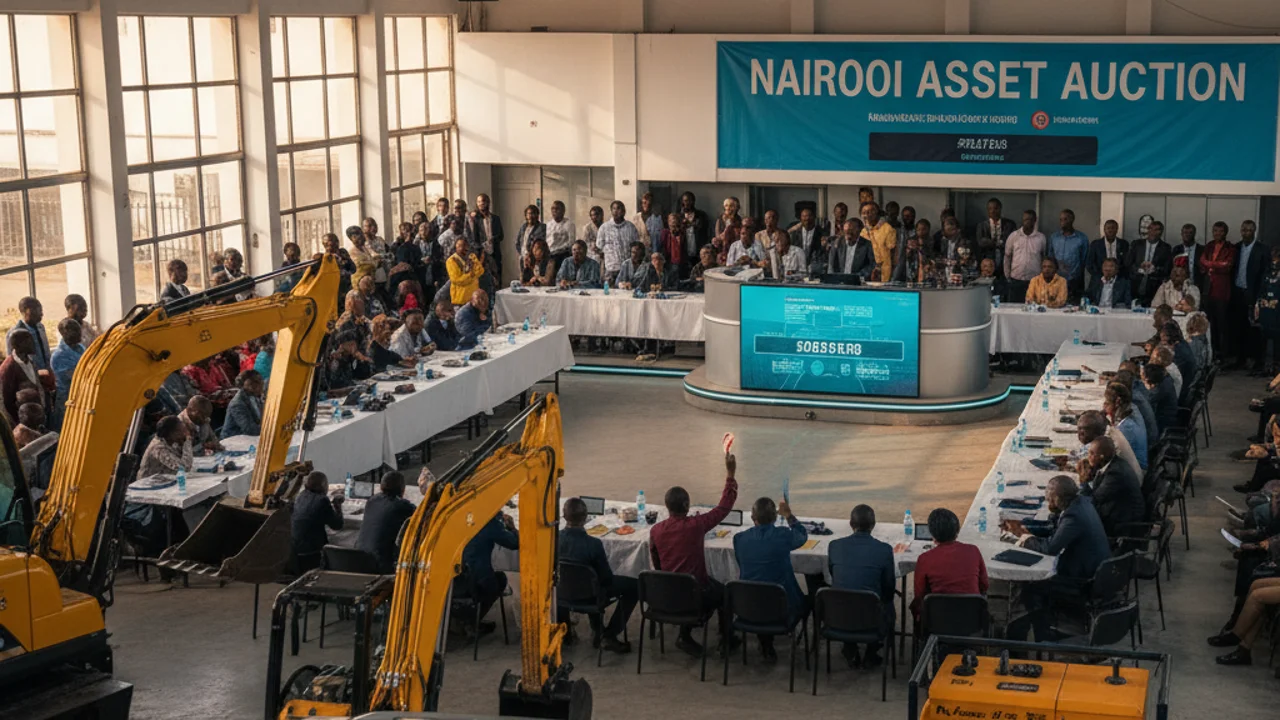
The practice of items being sold by auction in Kenya offers a dynamic marketplace for acquiring a diverse array of goods, including vehicles, property, electronics, and general goods. These auctions, conducted by licensed auctioneers across the nation, are governed by the Auctioneers Act (Cap 526) and regulations set by the National Association of Kenya Auctioneers (NAKA). Swipe Recoveries Experts Ltd, with its strategic location at International Life Hse, 8th Floor, Mama Ngina Street, Nairobi, stands as a beacon of expertise for anyone looking to navigate this sector. We provide tailored solutions and a deep understanding of the legal and procedural intricacies involved in successful auction acquisitions throughout Kenya.
Legal Framework and Regulatory Oversight for Auctions in Kenya
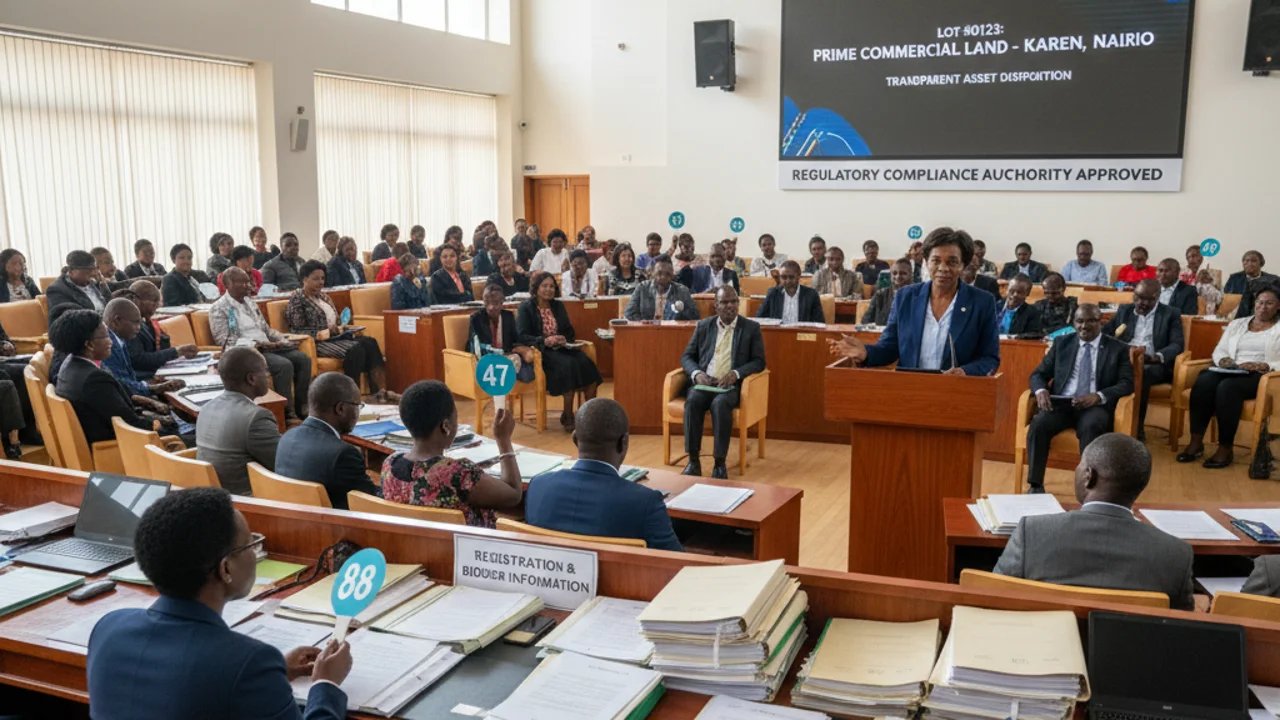
All public auctions in Kenya, where various items are sold by auction, must strictly adhere to the Auctioneers Act and its accompanying rules. This legislation mandates that only individuals or firms holding a valid license issued by the relevant authorities can conduct auctions. The Act ensures that auctions are conducted transparently and ethically, protecting both buyers and sellers. Furthermore, sector-specific regulations often apply depending on the nature of the goods being auctioned. For instance, vehicle auctions fall under regulations overseen by the National Transport and Safety Authority (NTSA) concerning transfer of ownership, while property auctions must comply with the procedures outlined in the Land Registration Act and the Régulations of the Registrar of Lands. Swipe Recoveries Experts Ltd ensures all transactions we facilitate are compliant with these statutes, providing peace of mind.

Types of Goods Commonly Sold By Auction in Kenya and Their Acquisition Process
A vast spectrum of items are regularly sold by auction in Kenya. These include: Motor Vehicles: Repossessed or bank-owned cars, trucks, and motorcycles. Property: Houses, apartments, land, and commercial real estate. General Goods: Furniture, electronics, office equipment, and stock from distressed businesses. The acquisition process typically involves: 1. Viewing and Inspection: Buyers are usually given a period to inspect the items. 2. Registration: A refundable bidder's deposit and identification are often required. 3. Bidding: Open outcry or electronic bidding determines the highest bidder. 4. Payment: Full payment is usually due within a short period, often 24-48 hours. 5. Transfer of Ownership: The auctioneer facilitates the legal transfer of the item to the buyer. Swipe Recoveries Experts Ltd offers comprehensive support through each stage, from identifying suitable auctions to managing the intricate documentation and payment processes, ensuring a smooth transition of ownership.
Debt Recovery & Auctioneering Coverage in Kenya
Swipe Recoveries Experts Ltd provides commercial recovery, skip tracing, and auctioneering services across Kenya and all 47 counties in Kenya.
Understanding Auction Fees, Costs, and Strategic Bidding

When participating in auctions where items are sold by auction in Kenya, it's crucial to understand all associated costs beyond the winning bid. These typically include: Auctioneer's Commission: A percentage of the hammer price, usually between 2% and 10%, plus Value Added Tax (VAT) as per the Value Added Tax Act. Stamp Duty: Applicable on sale agreements, particularly for property and vehicles, as stipulated by the Stamp Duty Act. Transfer Fees: Charges levied by government bodies like the NTSA for vehicle logbook transfers or the Ministry of Lands for property title transfers. Swipe Recoveries Experts Ltd advises potential buyers to conduct thorough due diligence on the item's condition and the total financial outlay. We provide clear cost breakdowns and strategic bidding advice to maximize your return on investment and ensure a cost-effective acquisition.