Accessing Seized Goods for Sale in Kenya
Searching for seized goods for sale can uncover remarkable value, offering an opportunity to acquire assets at competitive prices across various categories. These goods, often confiscated through legal processes, are made available to the public via auctions, representing a unique segment of the market. Swipe Recoveries Experts Ltd, strategically located at International Life Hse, 8th Floor, Mama Ngina Street, Nairobi, is a leading authority in managing the transparent and lawful disposal of such assets. Our expertise ensures that buyers can confidently participate in these sales, knowing that every item has passed through due legal process as mandated by Kenyan law, including adherence to the Auctioneers Act Cap 526. We facilitate access to a wide array of goods, ensuring legitimacy and providing a seamless purchasing experience for our clientele.
Legal Foundations for Seized Goods Sales in Kenya
The sale of seized goods for sale in Kenya is meticulously governed by various statutes, ensuring legality and public trust. Key legislation includes the Auctioneers Act Cap 526 and its Rules, which stipulate the procedures auctioneers must follow when disposing of seized property. Goods can be seized under several legal pretexts: for instance, through court orders issued under the Civil Procedure Act for debt execution, or under the Distress for Rent Act for recovery of unpaid rent. Government agencies, such as the Kenya Revenue Authority (KRA), can seize goods under the Tax Procedures Act or Customs and Excise Act due to tax evasion or smuggling, while others might be confiscated by bodies like the Anti-Counterfeit Authority.
Swipe Recoveries Experts Ltd operates strictly within these legal parameters, collaborating only with fully licensed and reputable auctioneers registered with the Auctioneers Board of Kenya. This commitment to legal compliance means every item offered for sale has a verifiable legal basis for its seizure and subsequent auction, providing buyers with peace of mind. Our office in Nairobi ensures we are at the forefront of these legal developments, offering expert guidance on the provenance and legality of all seized goods for sale.

Procedure for Acquiring Seized Goods at Auction
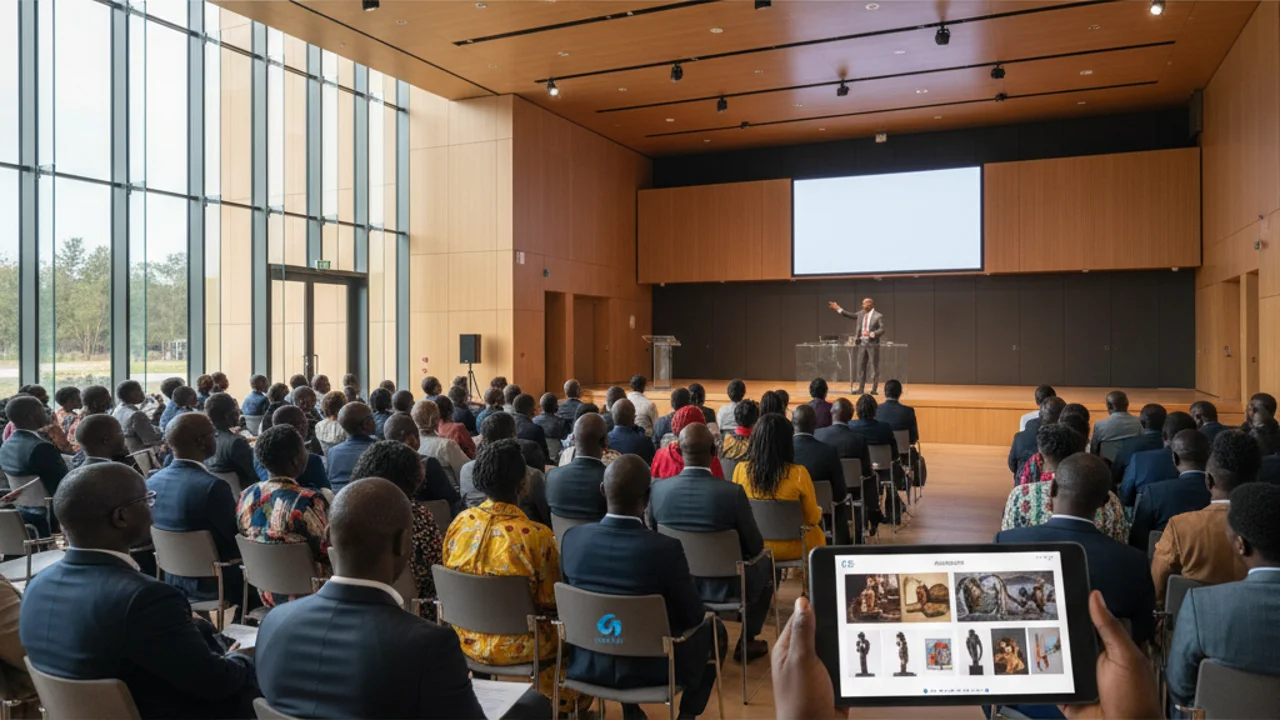
The process of acquiring seized goods for sale through Swipe Recoveries involves several clear steps. Firstly, public notices are issued, typically via local newspapers or our online platforms, detailing the items available, the auction date, time, and viewing location. Prospective buyers are strongly encouraged to attend public viewing sessions, often held at specific sites in and around Nairobi, to physically inspect the goods. This allows bidders to assess the condition and suitability of items on an "as is where is" basis, as no warranties are typically provided.
Registration is required prior to bidding, usually involving a refundable deposit, which confirms serious interest and adherence to auction terms. During the live auction, competitive bidding determines the winning buyer. Upon securing an item, immediate payment of the full purchase price is usually expected within a short timeframe (e.g., 24-72 hours). Swipe Recoveries facilitates the issuance of the official certificate of sale and provides guidance on any necessary post-auction procedures, such as collection logistics or transfer of ownership documents, particularly for high-value items requiring specific legal registration. We ensure adherence to the regulations of bodies like the Kenya Bureau of Standards (KEBS) for certain commodities.
Costs, Fees, and Practical Tips for Buyers

When considering seized goods for sale, it's essential to account for all potential costs beyond the winning bid. Buyers should anticipate an auctioneer's commission, typically a small percentage of the final sale price, plus any applicable Value Added Tax (VAT). For certain items, additional levies or duties may apply, especially for goods seized by KRA. While Swipe Recoveries Experts Ltd strives for transparency, we always advise buyers to budget conservatively for unexpected expenses, including potential repairs or refurbishment of purchased items.
For instance, an item valued at KES 50,000 might incur an auctioneer's commission of KES 5,000 (10%) plus VAT, bringing the total closer to KES 5,800 above the hammer price. Our team at International Life Hse, Mama Ngina Street, Nairobi, offers practical advice on evaluating items, understanding their condition, and estimating any additional costs. We recommend due diligence during public viewing, and if possible, consulting with a relevant expert for high-value or specialized items. Our goal is to empower buyers to make informed decisions and achieve maximum value from their acquisitions.