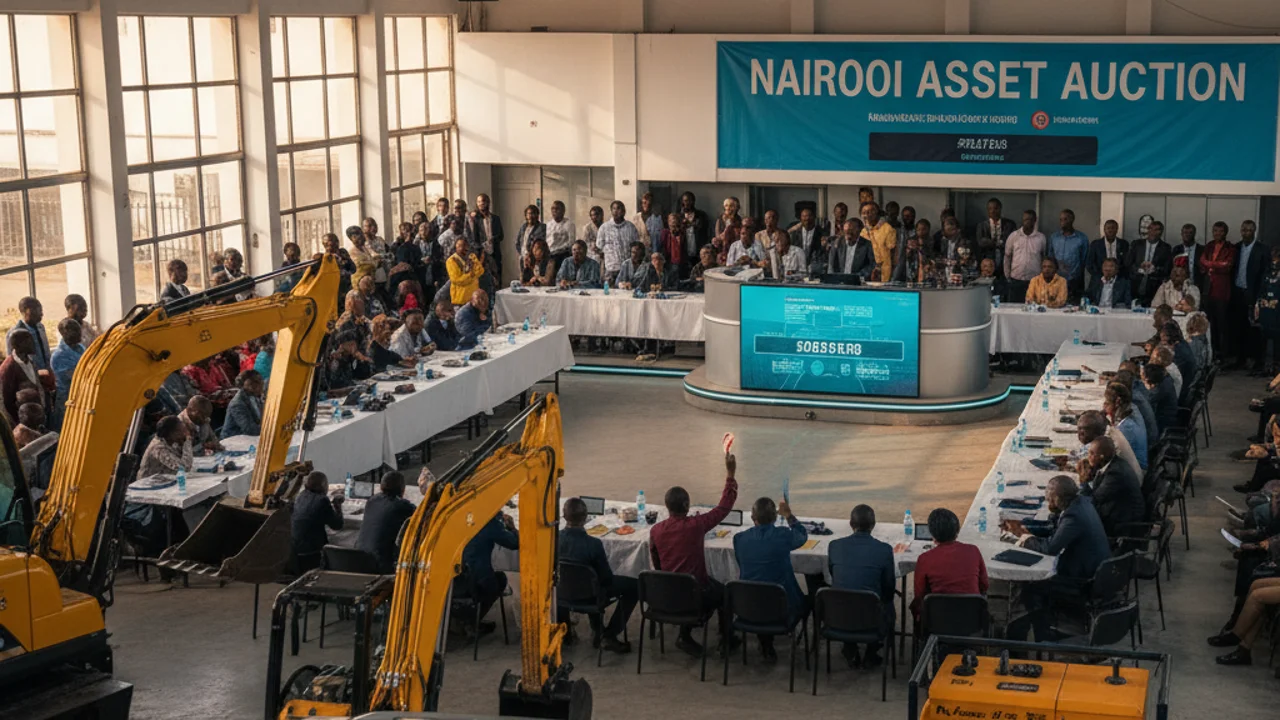
Unlocking Opportunities in Repossessed Property Sales in Nairobi
Exploring repossessed property sales in Nairobi, Kenya, presents unique opportunities for investors and individuals seeking competitive acquisitions. These properties, often sold at public auctions, include a range of assets from residential homes to commercial buildings, and even vehicles or machinery, following a default on secured loans. Swipe Recoveries Experts Ltd specializes in managing these sales, ensuring transparency, legal compliance, and maximum value realization for our clients. We offer a reliable gateway to these opportunities, guiding buyers through the process and providing comprehensive auctioneering services to financial institutions and lenders from our base at International Life Hse, Mama Ngina Street, Nairobi.
Legal Frameworks Governing Repossessed Property Sales in Kenya
The conduct of repossessed property sales in Kenya is strictly governed by a legal framework designed to protect all parties. The primary legislation is the Auctioneers Act (No. 11 of 1996), which sets out the licensing, duties, and powers of auctioneers, including the procedures for conducting public sales. For immovable property, the Land Act, 2012, and the Land Registration Act, 2012, are paramount, detailing the statutory power of sale by chargees (lenders) and the notices required before a property can be repossessed and sold. These include the 40-day default notice and the subsequent 3-month notice of intent to sell by public auction. For movable assets (chattels), the Chattels Transfer Act (Cap 28), though largely superseded in practice by specific loan agreements, may still provide relevant context for collateral transfers. The Competition Act (No. 12 of 2010) also ensures fair market practices during sales. Compliance with these acts, along with guidelines from the Kenya National Auctioneers Association (KENAA), is fundamental to a legally sound and indisputable sale. Swipe Recoveries Experts Ltd ensures strict adherence to every legal provision, mitigating risks for both sellers and buyers in all repossessed property sales.

The Process of Repossessed Property Sales: From Valuation to Auction
The process for repossessed property sales in Nairobi involves several critical stages, each requiring meticulous execution and adherence to regulatory standards. Once a financial institution has legally repossessed an asset, the first crucial step is to obtain an independent valuation from a registered valuer (as per standards set by the Institute of Surveyors of Kenya - ISK), determining the forced sale value. This valuation ensures transparency and sets a reserve price for the auction. Following valuation, the property is advertised prominently, typically in at least two national newspapers with wide circulation, giving ample public notice (minimum 14 days for land). Viewings are usually arranged for prospective buyers. The public auction is then conducted by a licensed auctioneer, like Swipe Recoveries Experts Ltd, at a specified time and location. Bidders must register and adhere to the conditions of sale, including a deposit (e.g., 25% of the bid price) upon the fall of the hammer. The highest bidder secures the property, subject to payment of the balance within a stipulated period, usually 90 days. Our role extends beyond merely conducting the auction; we ensure all pre-sale preparations, statutory notices, and post-sale documentation are handled efficiently from our International Life Hse office, facilitating a smooth transfer of ownership and legal compliance throughout the entire process of repossessed property sales.
Acquiring Repossessed Property: Costs, Fees, and Practical Tips

Participating in repossessed property sales in Nairobi involves understanding the associated costs and adopting practical strategies for successful acquisition. For buyers, the primary costs are the bid price, auctioneer's fees (typically 2.5% to 5% of the sale price up to KES 10 million, then tiered downwards), stamp duty (approx. 2% to 4% of the property value, depending on location), and legal fees for conveyancing (ranging from KES 30,000 upwards depending on value). Hidden costs can include outstanding rates, land rents, or service charges, which buyers should investigate during due diligence. A deposit, usually 25% of the purchase price, is required immediately upon successful bidding, with the balance payable within 90 days. Our practical tips for buyers include thorough due diligence—inspecting the property, verifying ownership documents at the Nairobi Land Registry, and confirming any outstanding encumbrances. Attend property viewings, research comparable sales, and set a clear maximum bid. For sellers (financial institutions), typical costs include valuation fees (approx. KES 20,000-100,000+), legal fees for notices, and advertising costs (approx. KES 10,000-30,000 per insertion). Swipe Recoveries Experts Ltd offers transparent fee structures for both sides, ensuring clarity and an equitable process.