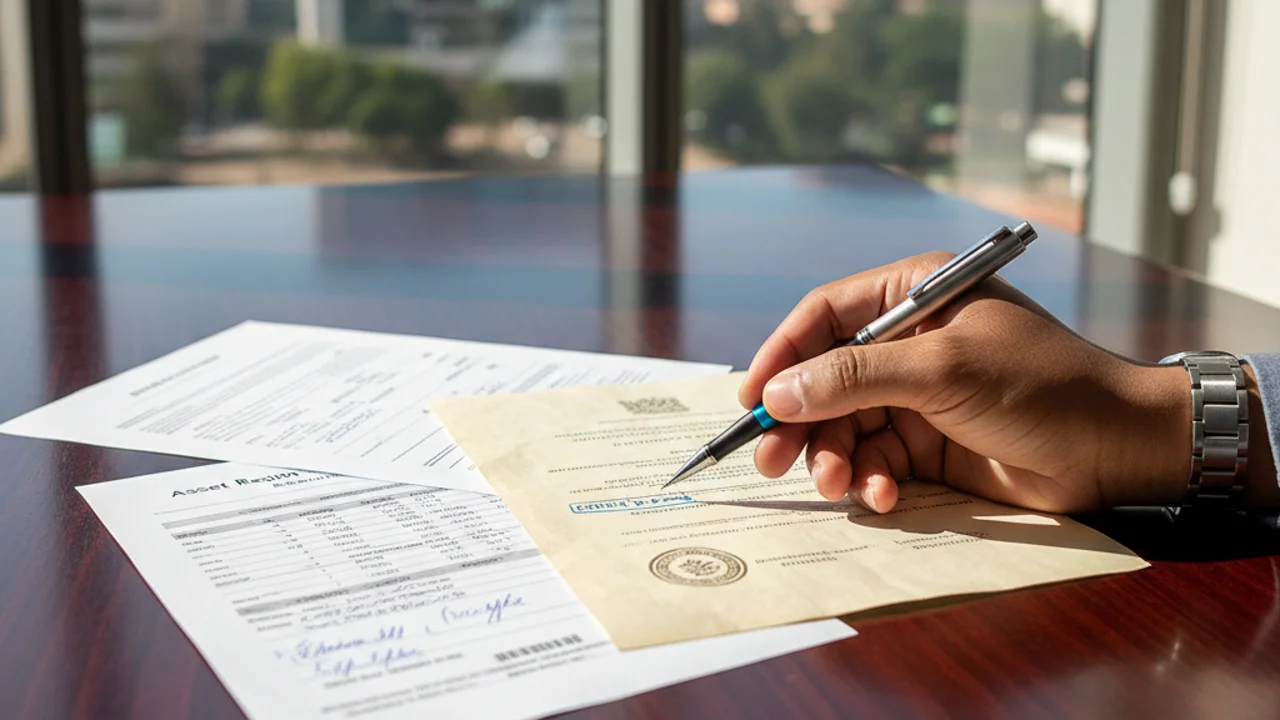
Understanding Repossessed Land Auctions in Kenya
A repossessed land auction in Kenya presents a unique opportunity for acquiring property, often at competitive prices. These auctions typically arise when a borrower defaults on a secured loan, leading the lender (chargee) to exercise their statutory power of sale over the charged property under the Land Act, 2012. Understanding the legal framework and procedural steps is crucial for both potential buyers and those whose property is subject to repossession. Swipe Recoveries Experts Ltd offers comprehensive assistance, ensuring all parties adhere to the stringent regulations set forth by Kenyan law, facilitating transparent and compliant transactions.
Statutory Framework and Legal Requirements for Land Repossession
The process of a repossessed land auction in Kenya is strictly governed by the Land Act, 2012, the Land Registration Act, 2012, and the Auctioneers Act, Cap 526. Before any land can be auctioned, the chargee (lender) must issue specific notices to the chargor (borrower).
First, a statutory notice of 90 days must be served, allowing the chargor to remedy the default. If the default persists, a further 40-day notice of intention to sell, followed by a 45-day redemption notice, is issued. These notices ensure due process and provide ample opportunity for the chargor to settle their outstanding debt. Furthermore, the land must be valued by a registered valuer to ascertain its forced sale value and open market value, ensuring a fair price is set for the auction. Public advertisements in at least two leading daily newspapers with nationwide circulation, such as the Daily Nation or The Standard, and often the Kenya Gazette, are mandatory at least 14 days prior to the auction. Compliance with these stringent legal requirements is paramount to avoid potential legal challenges, making expert guidance invaluable. Swipe Recoveries Experts Ltd specializes in ensuring all statutory requirements are met, providing peace of mind for both buyers and sellers.

The Auction Process: Steps and Bidding Requirements
Participating in a repossessed land auction in Kenya involves a clear, regulated process. Once all statutory notices have been served and advertised, a licensed auctioneer, registered under the Auctioneers Board, conducts the sale. Prospective bidders are typically required to pay a refundable deposit, usually 25% of the reserve price, to participate in the auction. This deposit is held by the auctioneer and forms part of the purchase price for the successful bidder, or is refunded to unsuccessful bidders.
The auction is conducted publicly, often at the property site, the auctioneer's office, or a designated public venue in major cities like Nairobi. The highest bidder, who must meet or exceed the reserve price (if any), wins the auction. Upon successful bidding, the buyer is usually required to pay the remaining 75% of the purchase price within a stipulated period, typically 90 days. The auctioneer then issues a Memorandum of Sale, which serves as the contract of sale. Post-auction, the transfer of the title deed involves engaging a lawyer for conveyancing, payment of Stamp Duty (4% of the property value) to the Kenya Revenue Authority (KRA), and registration with the Ministry of Lands and Physical Planning. Proper documentation, including a valid national ID or company registration details, KRA PIN, and proof of funds, is essential throughout this process. Swipe Recoveries Experts Ltd assists clients through every step, from due diligence to title transfer, ensuring a seamless acquisition.
Debt Recovery & Auctioneering Coverage in Kenya
Swipe Recoveries Experts Ltd provides commercial recovery, skip tracing, and auctioneering services across Kenya and all 47 counties in Kenya.
Cost Implications and Practical Guidance for Repossessed Land Auctions

Understanding the financial aspects beyond the bid price is vital when considering a repossessed land auction in Kenya. The successful bidder will incur several additional costs. Key among these are the auctioneer's fees, which are typically charged on a scale prescribed by the Auctioneers Act, Cap 526, often 2.5% on the first KES 100,000 and 1.25% on the balance of the sale price, up to a maximum of KES 50,000 for immovable property. Legal fees for conveyancing services can range from 1% to 2% of the purchase price, depending on the complexity and value of the land.
Crucially, Stamp Duty, payable to the Kenya Revenue Authority (KRA), is 4% of the value of the property in urban areas and 2% in rural areas. Other potential costs include land search fees (KES 500), valuation fees (if commissioning an independent valuation before bidding), and registration fees at the Lands Registry (KES 500-1,000). It is advisable to conduct thorough due diligence, including a land search at the relevant Lands Registry to verify ownership and any encumbrances, and if possible, a physical inspection of the property. Engaging experienced professionals like Swipe Recoveries Experts Ltd can help you navigate these costs and ensure all necessary legal checks are performed, preventing unforeseen complications and ensuring a sound investment.