Understanding & Participating Successfully in Repossessed Goods Auctions
Repossessed goods auctions offer unique opportunities for buyers to acquire a diverse range of assets, from vehicles to electronics and household items, at competitive prices. Simultaneously, they provide a vital mechanism for financial institutions and lenders to recover outstanding debts against collateral. Swipe Recoveries Experts Ltd specializes in managing these auctions with utmost professionalism, ensuring legal compliance, transparency, and efficiency for all parties involved. Our expertise streamlines the process, making it accessible and fair, whether you're looking to purchase valuable items or liquidate recovered assets in Kenya.
Legal Frameworks Governing Repossessed Goods Auctions in Kenya
The conduct of repossessed goods auctions in Kenya is strictly regulated by several key statutes, primarily the Hire Purchase Act, Cap 507, and the Chattels Transfer Act, Cap 28. These laws meticulously outline the procedures for lawful repossession, ensuring that the rights of both the lender and the borrower are protected. Before any goods can be auctioned, specific statutory notices must be issued to the defaulting party, typically allowing a grace period (e.g., 21 or 30 days, depending on the Act) for them to regularize their payments or redeem the goods.
Furthermore, the Auctioneers Act, Cap 526, governs the conduct of licensed auctioneers, dictating requirements for advertising the auction (often through national newspapers or the Kenya Gazette), valuation procedures, and the overall transparency of the sale process. Failure to comply with these legal stipulations can lead to the invalidation of the auction and potential legal action against the auctioneer or the seizing entity. Swipe Recoveries Experts Ltd prides itself on its rigorous adherence to these frameworks, ensuring all repossessed goods auctions are legally sound, protecting our clients and fostering trust within the marketplace.

The Process: From Repossession to Transparent Auction Sale
The journey of an item through repossessed goods auctions begins long before the gavel falls. It starts with a borrower's default on a loan secured by a specific asset (collateral). Following strict legal protocols, including serving the necessary demand notices and waiting for the statutory period, lawful repossession occurs. Once the goods are secured, they undergo a professional valuation to determine their market worth, ensuring a fair reserve price. The subsequent step involves widely advertising the auction, providing sufficient notice (usually 7-14 days) to attract a broad spectrum of potential buyers.
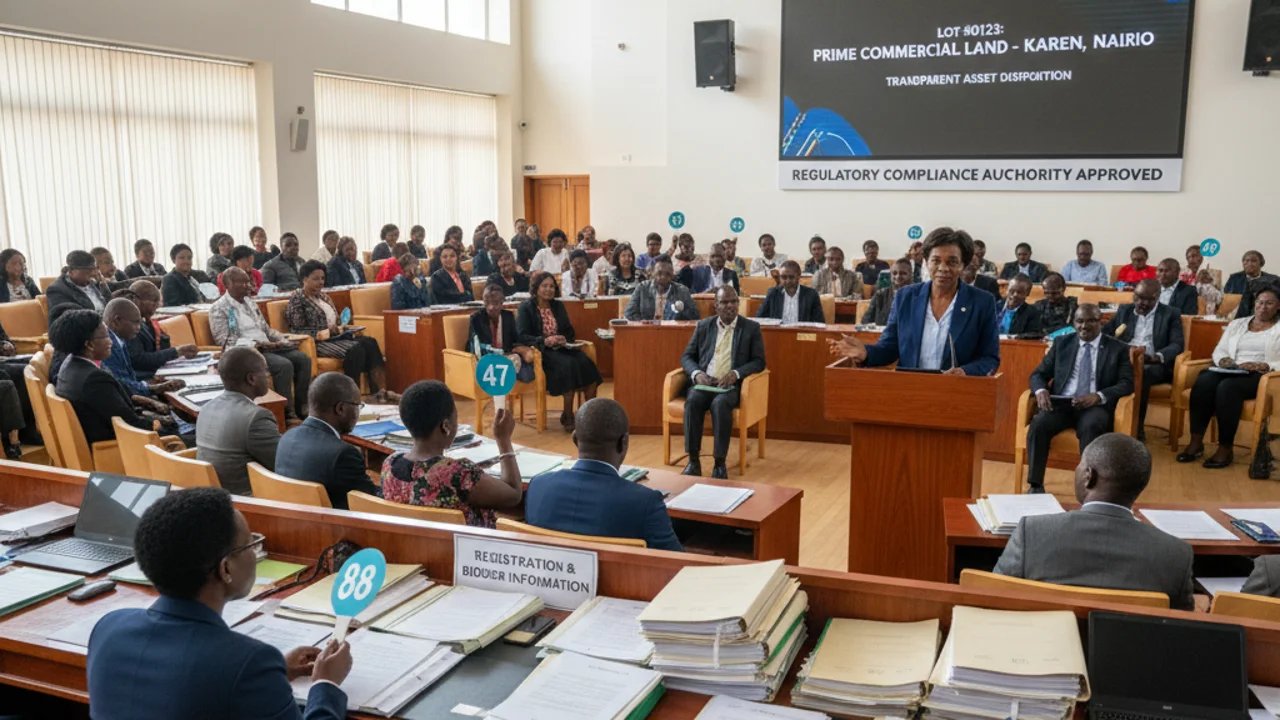
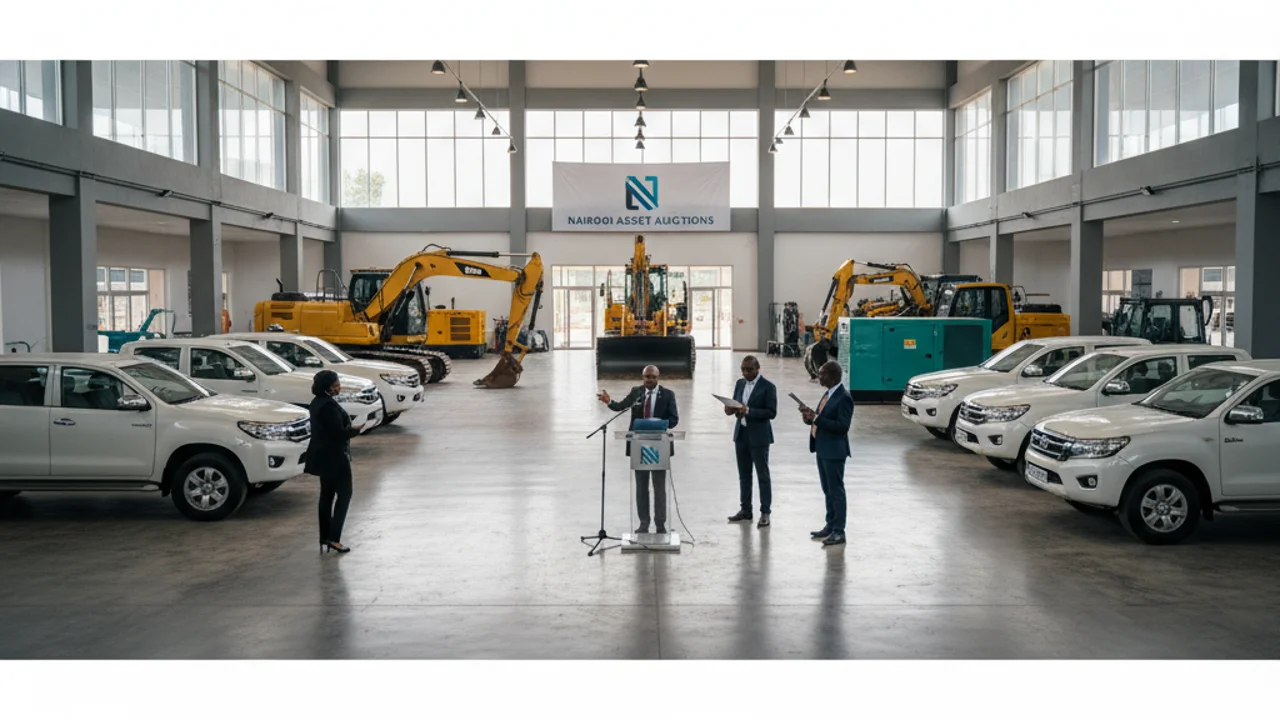
On the auction day, interested parties can inspect the goods, register, and participate in a public bidding process. Upon a successful bid, the buyer is typically required to make immediate payment, often within a short stipulated period. Following payment, the buyer receives an auction sale receipt and a certificate of sale, which are crucial documents for transferring ownership, especially for registered assets like motor vehicles. Swipe Recoveries Experts Ltd, from our premises at International Life Hse, 8th Floor, Mama Ngina Street, Nairobi, meticulously manages each of these stages, offering a transparent and efficient platform for both selling repossessed assets and acquiring items like vehicles, electronics, and household appliances.
Cost Implications & Maximizing Value at Repossessed Goods Auctions

Participating in repossessed goods auctions involves various cost considerations for both sellers (the entities initiating the repossession) and buyers. For sellers, typical expenses include auctioneer's fees, which are often a commission on the sale price (e.g., 5% to 10%). Additionally, there are costs for storage of the repossessed goods, advertising expenses (e.g., KES 5,000 - KES 20,000 for a newspaper advert), and sometimes valuation fees. For instance, if a vehicle is sold for KES 800,000, the auctioneer's commission could range from KES 40,000 to KES 80,000.
Buyers, on the other hand, usually face a 'buyer's premium,' which is an additional percentage (typically 10% to 15%) added to the successful bid price. For example, buying an item for KES 100,000 might mean an additional KES 10,000 to KES 15,000 premium. It's crucial for buyers to factor this into their bidding strategy. Swipe Recoveries Experts Ltd is committed to transparent fee structures, ensuring all costs are clearly communicated. Our efficient processes and extensive buyer network help sellers maximize recovery, while buyers benefit from competitive pricing on valuable assets, making our repossessed goods auctions a win-win for all parties involved.