Understanding Vehicle Repossession in Kenya
To repossess a vehicle in Kenya legally and efficiently, creditors must navigate a specific set of laws and procedures designed to protect both parties. Vehicle repossession is the process by which a lender or seller takes back a vehicle when the borrower or buyer defaults on their loan or hire purchase agreement. In Kenya, this process is strictly regulated, primarily under the Hire Purchase Act (Cap 507) and, in some cases, the Chattels Transfer Act (Cap 28), ensuring due process is followed. Understanding these legal frameworks is crucial for successful recovery, minimizing risks and ensuring compliance with the Auctioneers Act (Cap 526).
Legal Frameworks Governing Vehicle Repossession in Kenya
The legal foundation for vehicle repossession in Kenya primarily rests on the Hire Purchase Act (Cap 507). This Act outlines the rights and obligations of both the owner (lender/seller) and the hirer (borrower/buyer) in a hire purchase agreement. For instance, Section 15 of the Act provides the owner with the right to recover possession of the goods if the hirer defaults on payments, subject to certain conditions. If less than two-thirds of the hire purchase price has been paid, the owner may repossess the vehicle without a court order, provided they issue a valid demand notice. However, if two-thirds or more has been paid, a court order is mandatory to avoid infringing on the hirer's rights and potential legal action.
Furthermore, the Chattels Transfer Act (Cap 28) may apply in cases where a vehicle is offered as collateral for a loan, distinct from a hire purchase arrangement. This Act deals with instruments of charge over movable property. It's imperative for creditors to verify the nature of the security agreement—whether it's a hire purchase agreement, a chattel mortgage, or a logbook loan—as this dictates the applicable legal procedure. Adherence to these statutes is critical to prevent illegal repossession, which can lead to hefty penalties and legal disputes. Reputable firms like Swipe Recoveries Experts Ltd ensure strict compliance with these acts, leveraging their deep understanding of Kenyan jurisprudence, including elements of the Civil Procedure Act for judicial processes.
The Vehicle Repossession Procedure: Step-by-Step Compliance
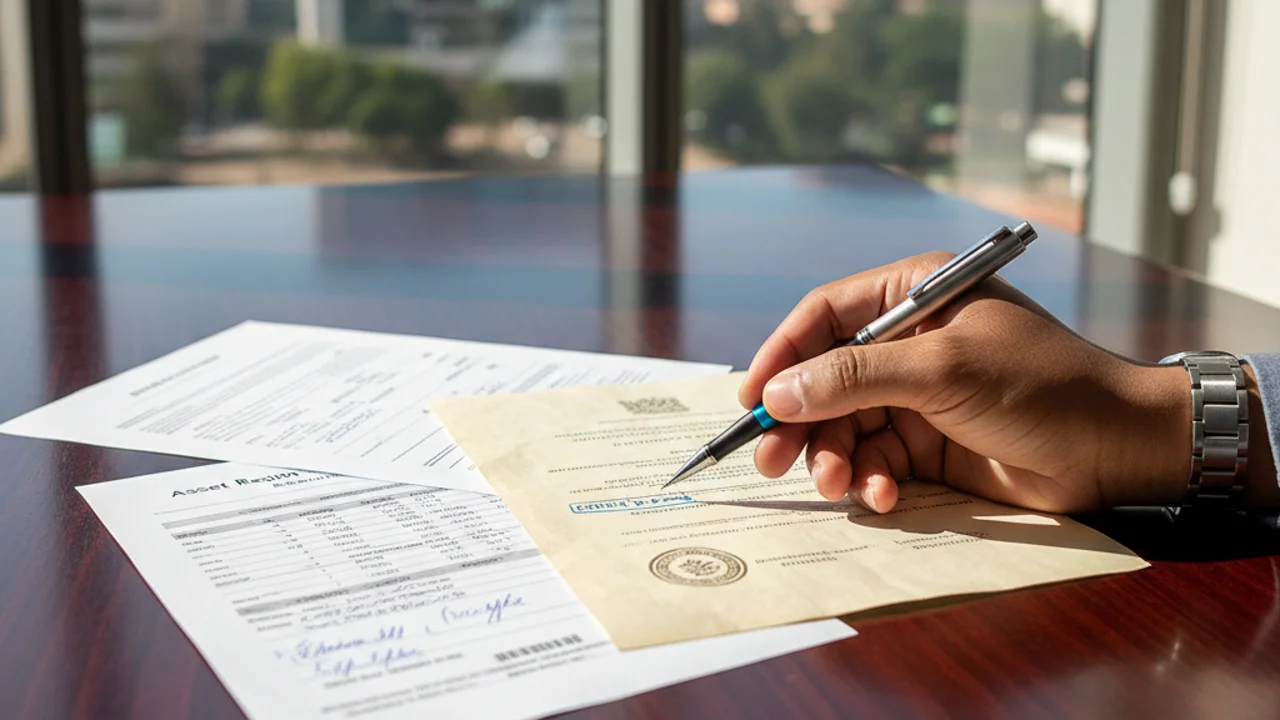
The process to repossess a vehicle in Kenya involves several crucial steps that must be meticulously followed. First, a clear default on the payment terms must occur. Upon default, the creditor must issue a formal demand notice to the debtor, allowing a specified period (typically 7-14 days as per agreement or industry practice) to rectify the breach. If the default persists, and provided less than two-thirds of the price has been paid, an authorized and licensed auctioneer, regulated by the Auctioneers Board under the Auctioneers Act (Cap 526), is engaged.
The auctioneer will then issue a proclamation notice, declaring their intent to repossess the vehicle. This notice is usually affixed to the vehicle or served directly. After successful repossession, the vehicle is often moved to a secure storage facility. A valuation of the vehicle is conducted, followed by its gazettement or advertisement in a local daily newspaper, giving public notice of the intended sale. The debtor usually has a right of redemption until the fall of the hammer at a public auction. Any deviation from this procedure can invalidate the repossession, making professional guidance from entities like Swipe Recoveries Experts Ltd, based in Nairobi's International Life Hse, indispensable for creditors navigating these complex, legally sensitive stages.
Debt Recovery & Auctioneering Coverage in Kenya
Swipe Recoveries Experts Ltd provides commercial recovery, skip tracing, and auctioneering services across Kenya and all 47 counties in Kenya.
Cost Implications and Practical Guidance for Vehicle Repossession

Understanding the costs associated with vehicle repossession in Kenya is vital for creditors. These costs are typically regulated by the Auctioneers Rules under the Auctioneers Act and can include various fees. Key expenses involve auctioneer's fees, which are usually a percentage of the value of the goods repossessed, often capped or tiered (e.g., 5-10% of the first KES 100,000, and a lower percentage thereafter, but always verify current gazetted rates). Additionally, there are storage fees for the repossessed vehicle, which accrue daily and can significantly impact the overall cost. Valuation fees, legal consultancy fees if court intervention is required, and advertisement costs for gazettement also contribute to the total.
To mitigate these costs and ensure a smooth process, creditors should engage with experienced firms like Swipe Recoveries Experts Ltd. We provide transparent fee structures and efficient service to minimize prolonged storage and associated charges. Our team, operating from International Life Hse, 8th Floor, Mama Ngina Street, Nairobi, focuses on clear communication and expeditious handling of each case. We advise on pre-repossession strategies, such as structured negotiation or amicable settlements, where appropriate, to avoid the full cost of repossession. Proper documentation and a clear understanding of the debtor's payment history are also crucial for a successful and cost-effective recovery, ensuring adherence to the Law Society of Kenya's ethical guidelines.