Your Compass for Public Car Auctions in Nairobi
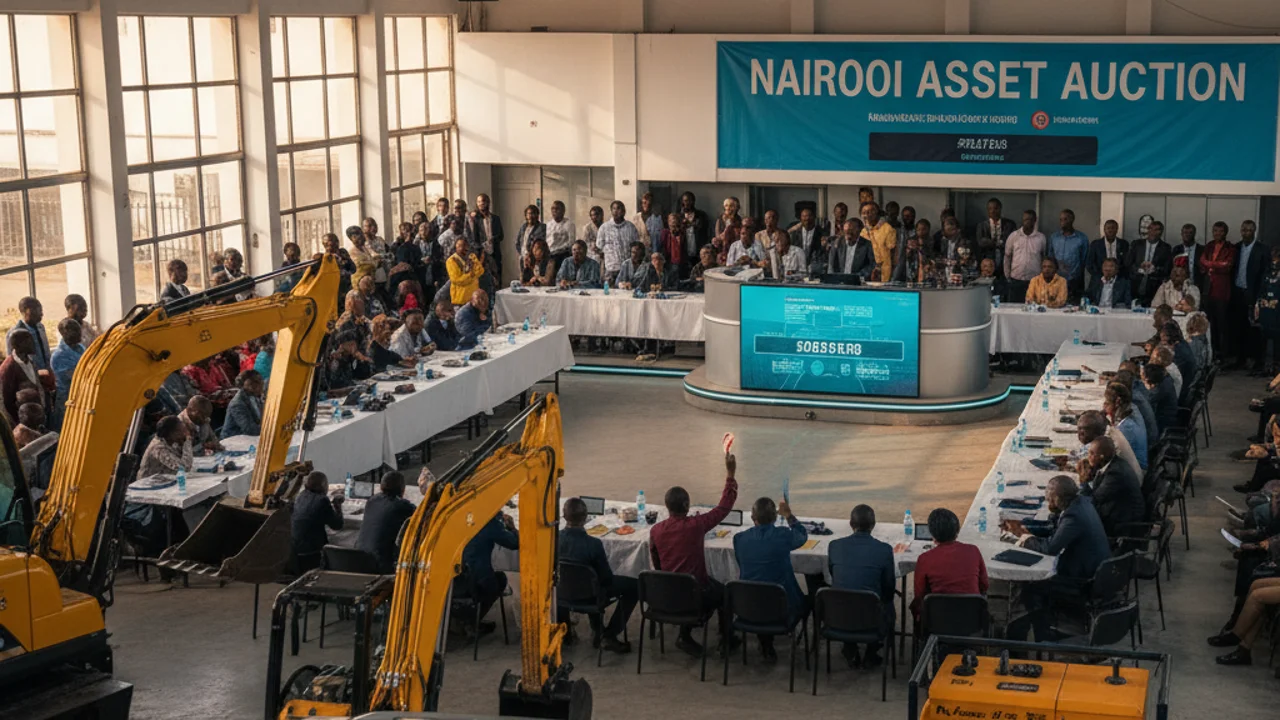
Exploring public car auctions Nairobi offers a compelling pathway to acquire vehicles at exceptional value, often significantly below retail prices. These auctions, frequently organised by the Nairobi City County, government agencies, or licensed auctioneers, provide access to a diverse range of vehicles, including seized imports, repossessed assets, and government surplus. Navigating the intricacies of these sales—from understanding bidding protocols to managing legal documentation and transfer requirements—is essential for a successful outcome. Swipe Recoveries Experts Ltd excels in providing expert guidance and tailored strategies, empowering you to confidently participate and secure the vehicles you desire from Nairobi's public car auctions.
The Legal Framework Governing Nairobi's Public Car Auctions
The procedures for public car auctions Nairobi are anchored by several key Kenyan statutes. The Public Procurement and Disposal of Assets Act, 2015 (No. 33 of 2015) governs the disposal of public assets, including vehicles by government entities and county governments like Nairobi City County. Additionally, the Auctioneers Act, 1996 regulates the licensing and conduct of auctioneers. Vehicles confiscated by the Kenya Revenue Authority (KRA) for customs-related offences are also subject to auction under the East African Community Customs Management Act, 2004. Understanding these frameworks ensures that auctions are conducted transparently and legally. Swipe Recoveries Experts Ltd meticulously verifies the legality and compliance of every auction we are involved with, providing clients with assurance and security in their acquisitions.

Navigating the Bid Process for Nairobi Car Auctions
Participating in public car auctions Nairobi follows a structured approach. Initially, potential buyers should identify upcoming auctions, typically advertised in the Kenya Gazette, local newspapers, or through official county government announcements. It is crucial to attend the pre-auction viewing, where vehicles are available for inspection. Registration is usually mandatory, requiring identification (National ID/Passport), KRA PIN, and a non-refundable registration fee, often ranging from KES 2,000 to KES 5,000. A bid security deposit, commonly 10% of the expected purchase price via bank draft, is required to qualify for bidding. During the auction, bids are called, and the highest offer secures the vehicle. The successful bidder must then remit the balance of the purchase price, typically within 7 to 14 days, to complete the transfer of ownership. Swipe Recoveries Experts Ltd offers comprehensive support through each of these stages.
Debt Recovery & Auctioneering Coverage in Nairobi, Kenya
Swipe Recoveries Experts Ltd provides commercial recovery, skip tracing, and auctioneering services across Nairobi, Kenya and all 47 counties in Kenya.
Cost Analysis: Bids, Fees, and Transfer Expenses
When bidding in public car auctions Nairobi, understanding the total cost is paramount. Beyond the winning bid, buyers should account for the auctioneer's commission (typically 5-10% of the hammer price), stamp duty for vehicle transfer (usually 2-4% of the vehicle's value, payable to the government), and NTSA registration fees. Depending on the vehicle's condition, budget for potential repair or maintenance costs. Swipe Recoveries Experts Ltd provides detailed cost projections and expert advice on budgeting, ensuring you can make an informed investment and maximise the value of your purchase in Nairobi.