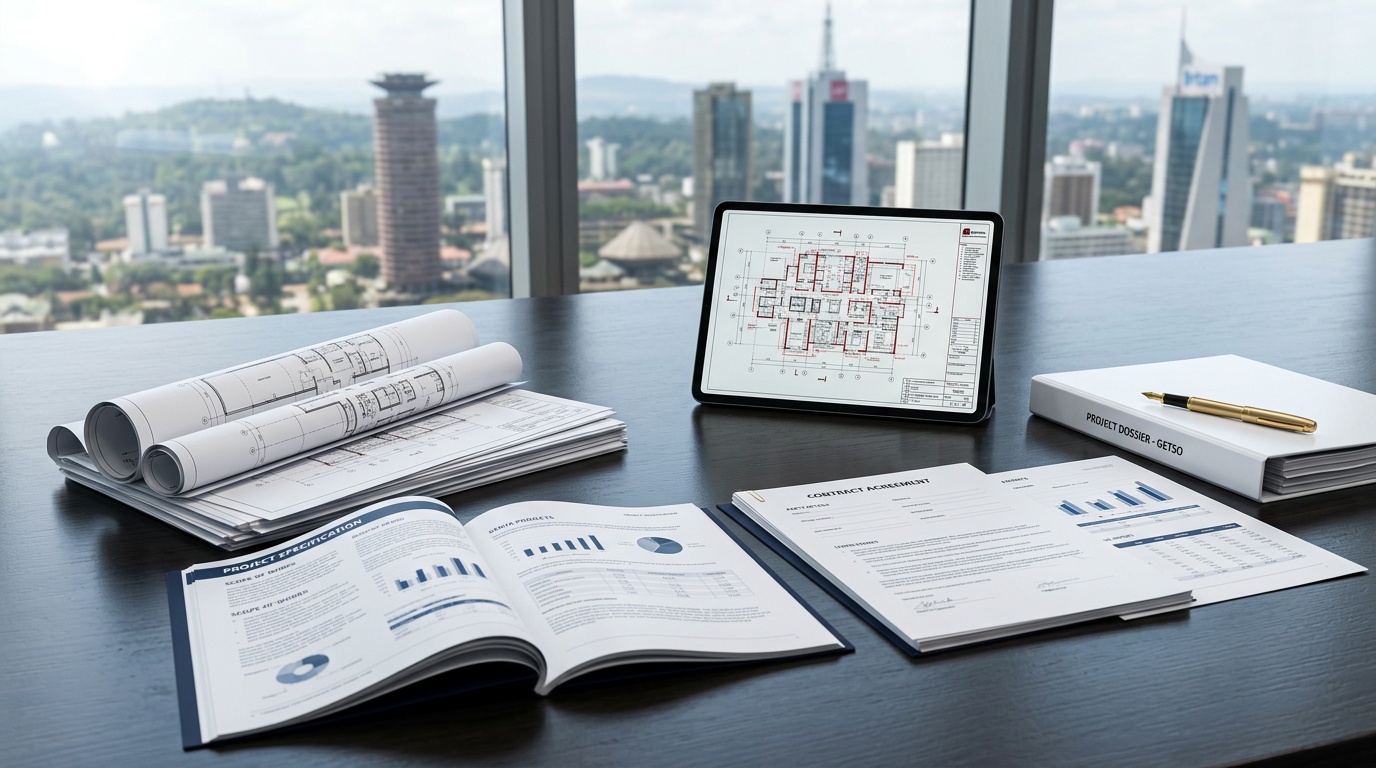
Streamlined Property Repossession for Secured Creditors
When a loan or lease agreement defaults, timely and lawful property repossession becomes a critical step for creditors to mitigate losses. Swipe Recoveries Experts Ltd offers unparalleled expertise in this sensitive field, ensuring a legally compliant and efficient process from initiation to recovery. Based in Nairobi, Kenya, we specialize in reclaiming both movable and immovable properties, including vehicles, machinery, and real estate, always adhering strictly to the Auctioneers Act Cap 526 and other relevant statutes. Our dedicated team handles every aspect of the repossession process, providing peace of mind and securing your financial interests with professionalism and integrity.
Legal Framework and Compliance for Property Repossession in Kenya
Navigating the legalities of property repossession in Kenya is complex and requires specialized knowledge to avoid legal pitfalls. The primary statute governing these actions is the Auctioneers Act, Cap 526, Laws of Kenya, which dictates the procedures for proclaiming, valuing, and selling repossessed property. For real estate, the Land Act 2012 and the Land Registration Act 2012 are paramount, outlining the rights of chargees (lenders) and chargors (borrowers), including the mandatory notices of default and rights of redemption before repossession can occur. For movable assets like vehicles or equipment, secured lending agreements often involve chattel mortgages or hire purchase agreements, which fall under specific contractual and property law provisions. Swipe Recoveries Experts Ltd ensures strict adherence to all statutory notices, such as the 40-day statutory notice and 30-day redemption notice for land, as required by law, issued through registered mail and sometimes public advertisement. We work closely with legal counsel to obtain necessary court orders, particularly for distressed for rent cases or when debtors are uncooperative, ensuring that the entire process is legally sound and defensible. Our team also liaises with the Officer Commanding Station (OCS) for police assistance during physical repossessions, guaranteeing safety and lawful execution on site.

The Property Repossession Process: Steps, Documentation, and Timelines
The process of property repossession executed by Swipe Recoveries Experts Ltd is systematic and transparent, designed for maximum efficiency and legal compliance. It typically begins with the client providing the original security documents, such as charge instruments, chattel mortgages, or hire purchase agreements, along with evidence of default. Our first step involves issuing statutory notices to the defaulting party, allowing them the legal period to rectify the default. If the default persists, we proceed with obtaining necessary court orders, which can range from specific performance orders to distress for rent warrants. A critical phase involves property valuation, conducted by a licensed valuer in accordance with the Valuers Act, to establish a fair reserve price for eventual auction. Our team then coordinates the physical recovery of the asset, often involving logistics for transport and secure storage at our premises or designated facilities. During this stage, meticulous documentation is crucial, including inventory lists and condition reports. The property is then prepared for public auction. The entire process, from initial notice to actual repossession, can vary in duration, usually ranging from 3 to 6 months for real estate, and 1 to 3 months for movable property, depending on the debtor's cooperation and legal complexities involved. We communicate every step with our clients, providing regular updates on progress and estimated timelines.
Understanding Costs and Fees for Property Repossession Services

The costs associated with professional property repossession services are regulated and vary based on the type and value of the asset. As per the Auctioneers Act, Cap 526, auctioneer's fees for the proclamation and sale of property are typically a percentage of the proclamation value or the sale price. For movable goods, this usually ranges from 5% to 10% of the first KES 100,000, tapering down for higher values. For immovable property, the fees are often lower percentages, usually between 2% to 5% of the sale price. Beyond these statutory fees, clients should anticipate additional expenses which may include legal fees for court orders, valuation fees (typically KES 15,000 to KES 50,000+ depending on property complexity), storage charges (if applicable, charged daily/monthly), transport costs for vehicle repossession (ranging from KES 10,000 to KES 50,000+ depending on distance), and advertising costs for the public auction (varying by publication). At Swipe Recoveries Experts Ltd, we provide a detailed breakdown of all anticipated costs upfront, ensuring transparency and no surprises. We aim to recover these costs from the proceeds of the sale where legally permissible, minimizing the financial burden on our clients while maximizing their recovery.