Understanding Property Liquidation in Kenya
Property liquidation Kenya refers to the process of converting assets, particularly real estate or significant movable property, into cash. This typically occurs in scenarios of insolvency, corporate winding-up, or the realization of charged assets to satisfy debts. The process is complex, involving strict adherence to legal frameworks, valuation, and sales procedures to maximize recovery for creditors while ensuring fair treatment for all parties. Engaging experienced professionals is crucial for navigating the intricate legal and logistical challenges of property liquidation. Swipe Recoveries Experts Ltd offers comprehensive, expert services in property liquidation, ensuring compliant, efficient, and transparent asset realization processes across Kenya, whether for distressed companies or individuals.
Legal Frameworks for Property Liquidation in Kenya
The framework for property liquidation Kenya is primarily established by the Insolvency Act, 2015, which is the cornerstone legislation governing corporate and individual insolvency proceedings. This Act outlines the types of liquidation, including voluntary liquidation (members' or creditors' winding-up) and compulsory liquidation (court-ordered winding-up), and details the appointment, powers, and duties of liquidators. For companies, the Companies Act, 2015, also plays a crucial role, particularly regarding corporate governance and the dissolution process. When it comes to the sale of assets during liquidation, the Auctioneers Act Cap 526 governs the conduct of auctions and the licensing of auctioneers who often facilitate the sale of liquidated properties. Additionally, various tax laws, including the Income Tax Act and Value Added Tax Act, affect the proceeds of liquidation. Compliance with these statutory provisions is non-negotiable to ensure the legality and irrevocability of the liquidation process. Swipe Recoveries Experts Ltd meticulously adheres to these legal requirements, providing a secure and legally sound path for asset realization for all stakeholders in Kenya.

The Property Liquidation Process: Steps and Requirements
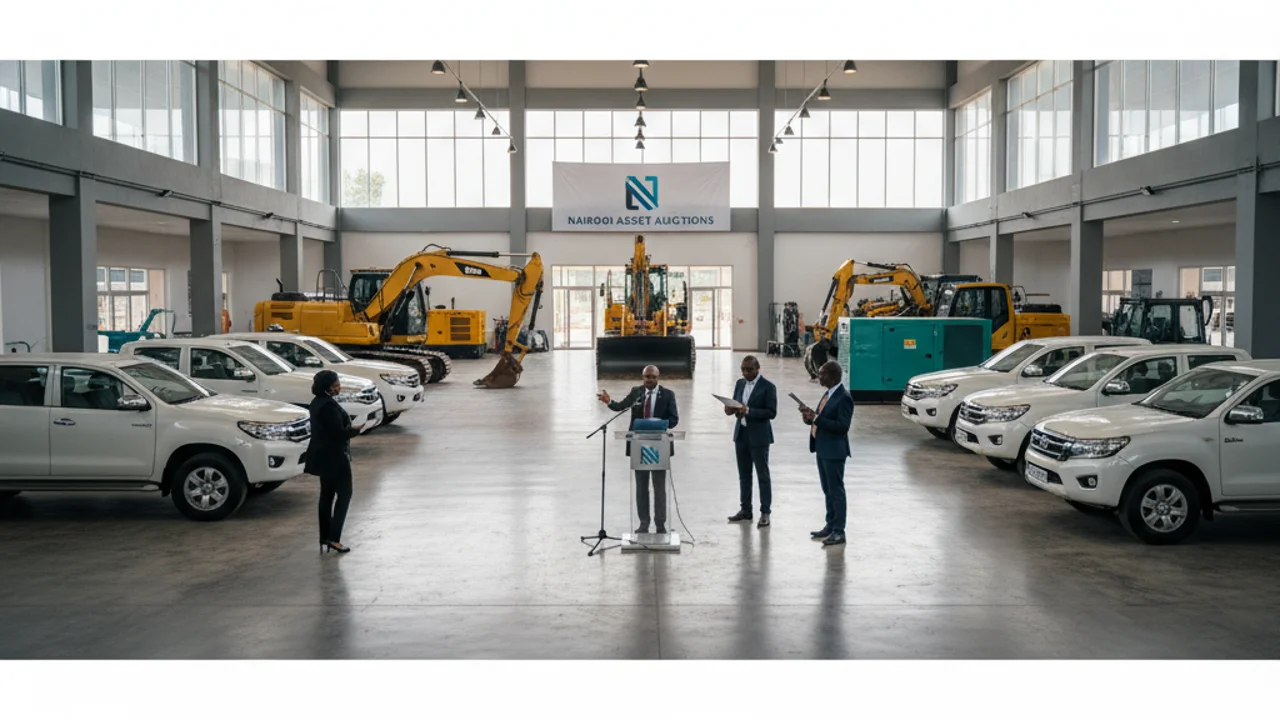
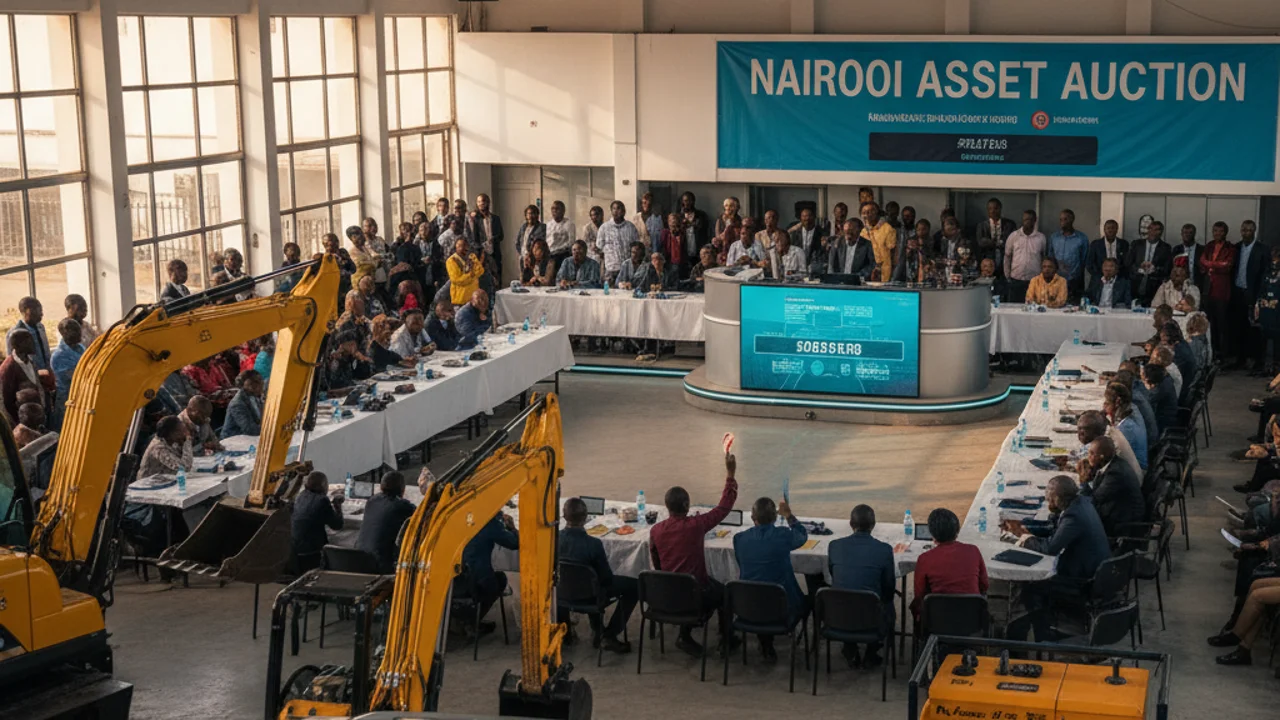
The process of property liquidation Kenya involves several key stages, each requiring meticulous attention to detail and legal compliance. It typically commences with a formal decision for liquidation, often by shareholders or a court order, leading to the appointment of a liquidator or an Official Receiver. The liquidator's primary role is to take control of all company assets, including property, assess liabilities, and realize the assets' value. This involves comprehensive asset valuation, often conducted by certified valuers, and then the sale of these assets, frequently through public auctions regulated by the Auctioneers Act Cap 526. Proceeds from the sale are then distributed to creditors in a statutory order of priority, followed by shareholders if any surplus remains. Key documentation includes liquidation resolutions, financial statements, asset registers, and sale agreements. Throughout, the liquidator must maintain accurate records and submit regular reports to the Business Registration Service and creditors. Compliance with the procedural requirements of the Insolvency Act, 2015, such as creditor meetings and statutory declarations, is crucial. Swipe Recoveries Experts Ltd provides end-to-end management of this process, ensuring seamless coordination and execution of property liquidation across Kenya, minimizing complexities for our clients.
Debt Recovery & Auctioneering Coverage in Kenya
Swipe Recoveries Experts Ltd provides commercial recovery, skip tracing, and auctioneering services across Kenya and all 47 counties in Kenya.
Cost Expectations and Practical Advice for Property Liquidation

The costs associated with property liquidation Kenya can be substantial and are often borne by the proceeds of the liquidation itself. Key expenses include liquidator's fees, which are typically calculated as a percentage of assets realized or on a time-cost basis, often ranging from KES 100,000 to several millions depending on the estate's complexity and size. Legal fees for court applications, advisory services, and drafting documents can range from KES 50,000 to KES 500,000+. Valuation fees for properties are also a significant component, typically 1% to 2% of the asset's value. Auctioneer's fees, if property is sold by auction, generally range from 5% to 10% of the sale price. Other costs include statutory filing fees, advertising expenses, and security for assets. To optimize the process and minimize costs, early engagement with insolvency experts and thorough pre-liquidation planning are crucial. Swipe Recoveries Experts Ltd offers clear, transparent fee structures and practical advice on asset optimization and cost-effective liquidation strategies, ensuring maximum recovery for creditors while adhering to all provisions of the Insolvency Act, 2015.