The Digital Transformation of Property Auctions
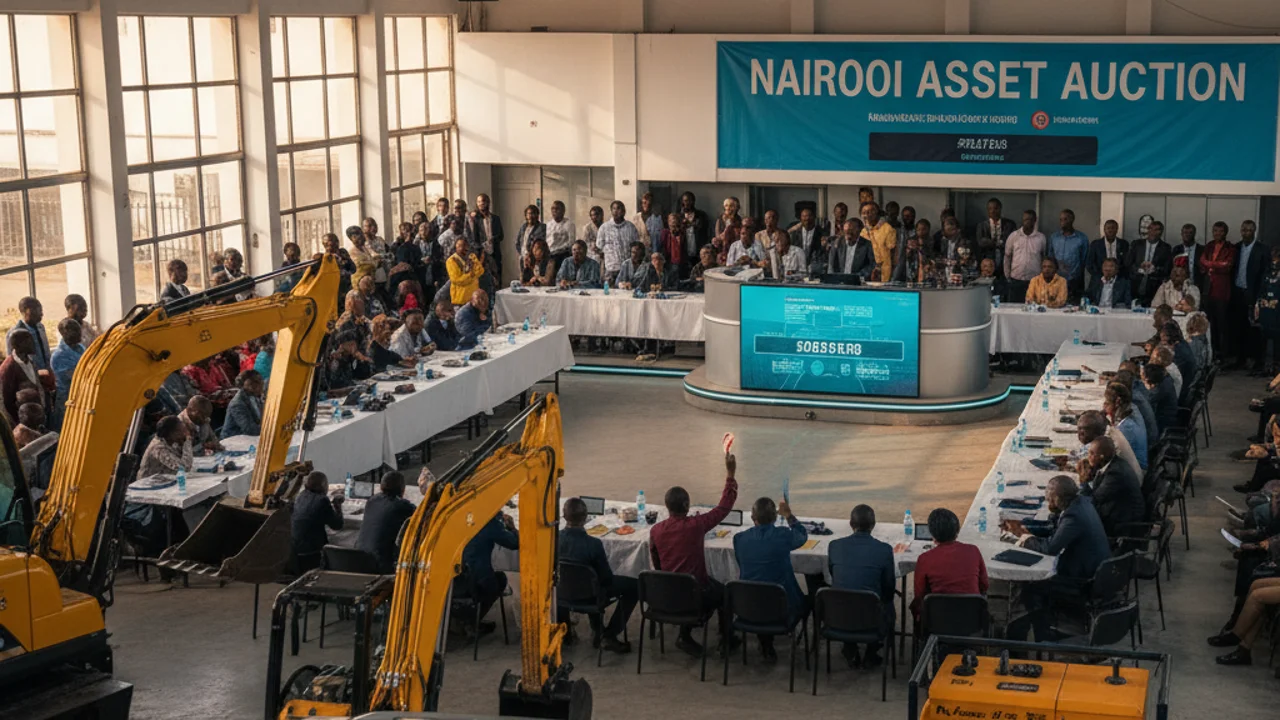
Online real estate auctions are revolutionizing how property is bought and sold in Kenya, offering unparalleled convenience, transparency, and access to a nationwide pool of buyers. By moving the auction room online, firms like Swipe Recoveries Experts Ltd are breaking down geographical barriers, allowing investors from Mombasa to Kisumu to bid on a prime Nairobi property from their computer or smartphone. This digital format not only enhances efficiency but also provides a clear, auditable trail of all bids, building greater trust in the auction process. Whether you are a seller seeking maximum reach or a buyer looking for your next investment, understanding the digital landscape is key.
Legal & Regulatory Compliance for Digital Auctions
While the platform is modern, the legal underpinnings of online real estate auctions in Kenya remain firmly rooted in established law. The entire process is governed by the Auctioneers Act (Cap 526) and the rules set forth by the Auctioneers Licensing Board. These regulations ensure that key principles of fairness and transparency are upheld, regardless of the auction's format. A licensed auctioneer must conduct the auction, and all legal notices and advertisements must still be published as required, typically in a newspaper with national circulation.
The 'Conditions of Sale'—a critical document outlining the property details, deposit requirements, and completion timelines—must be made easily accessible to all potential bidders on the online platform before the auction begins. The act of placing a bid electronically is legally binding, and the 'fall of the virtual hammer' on the platform has the same legal effect as a physical one: it creates a binding contract of sale between the highest bidder and the seller. Reputable online auction platforms must also have robust security measures to ensure data integrity and prevent fraudulent activity.

How to Participate: A Bidder's Step-by-Step Guide
Participating in an online property auction is a straightforward process, designed to be accessible to all serious buyers. Here's what you need to do:
1. Registration and KYC: The first step is to register on the auctioneer's online portal, such as the one provided by Swipe Recoveries. You will need to provide your personal details and complete a Know Your Customer (KYC) verification by uploading your ID or company registration documents.
2. Pay the Bidding Deposit: To be eligible to bid, you must pay a refundable bidding deposit. This amount is set by the auctioneer and varies based on the property's value, often ranging from KES 100,000 for smaller plots to over KES 1,000,000 for high-value commercial properties. This deposit is refunded promptly if you are not the winning bidder.
3. Conduct Due Diligence: This is the most crucial step. You must inspect the property physically, conduct an official title search through the Ardhisasa platform or at the local Lands Registry to verify ownership and check for any encumbrances, and review the Conditions of Sale carefully.
4. The Live Auction: Log in to the platform before the auction starts. You will see the current bid and can place your own bids in real-time. The system is transparent, showing when you are the highest bidder or when you have been outbid.
5. Winning the Bid: If you are the highest bidder when the auction closes, you are legally bound to complete the purchase. You must immediately pay the required deposit, which is typically 25% of the purchase price (less the bidding deposit you already paid).
Understanding the Costs, Fees, and Timelines
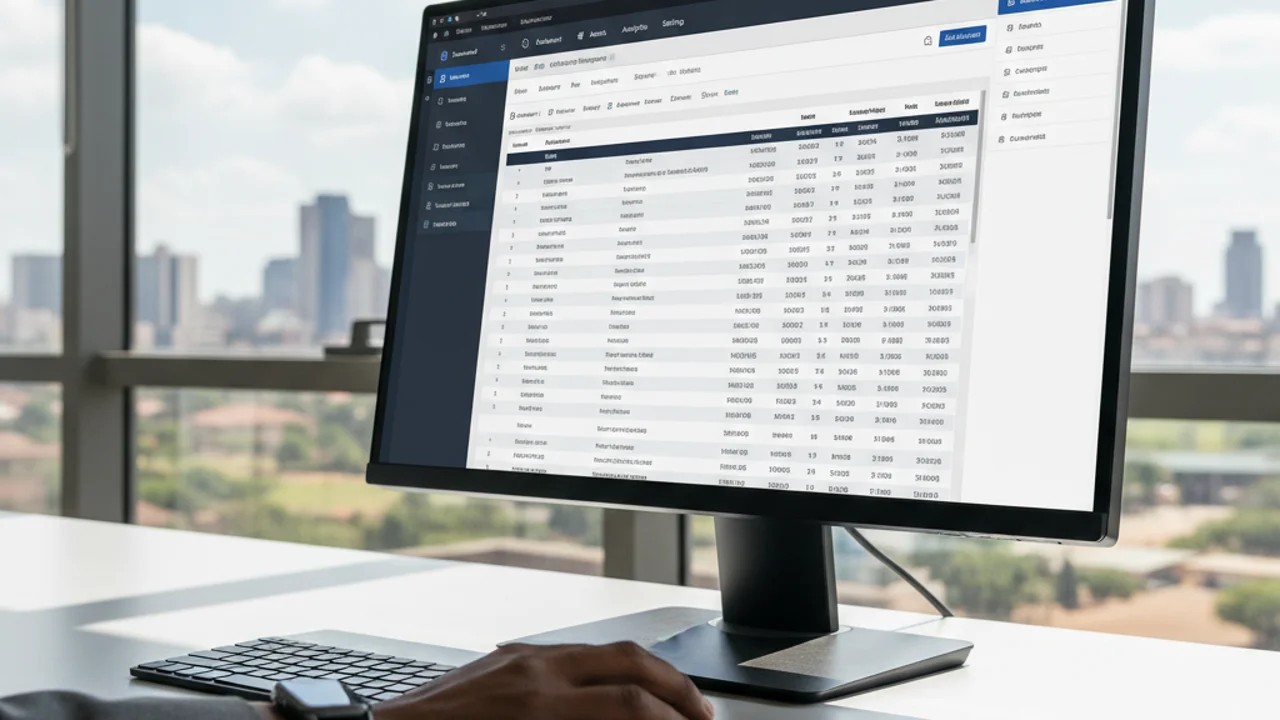
For a winning bidder, the primary cost is the purchase price. Immediately upon winning, you are required to pay a deposit, usually 25% of the final bid. For a property that sells for KES 20 million, this means an immediate payment of KES 5 million. The remaining 75% (KES 15 million in this example) is typically due within a 90-day period, as specified in the Conditions of Sale. Failure to complete within this timeframe will result in the forfeiture of your entire 25% deposit.
Additional costs for the buyer include Stamp Duty, which is 4% of the property's value in municipalities and 2% in other areas, and your own legal fees for the conveyance process. The seller is responsible for paying the auctioneer's commission and advertising costs. It is essential for bidders to have their finances, including any potential mortgage pre-approvals, arranged well in advance of the auction to ensure they can meet the strict payment deadlines.