Unlock Opportunities Through Official Asset Auctions in Kenya
Participating in official asset auctions in Kenya offers a transparent and legitimate pathway to acquiring a wide array of valuable properties and goods. These auctions are sanctioned by courts, government agencies, or financial institutions, ensuring adherence to strict legal protocols and providing a higher degree of buyer protection compared to informal sales. Swipe Recoveries Experts Ltd, a leading authority in auctioneering, provides comprehensive services to clients seeking to engage with these regulated markets. With our office located at International Life Hse, 8th Floor, Mama Ngina Street, Nairobi, we are strategically positioned to offer unparalleled guidance and support, ensuring you make informed decisions and achieve results that matter.
Understanding the Legal Framework for Official Asset Auctions in Kenya
The legitimacy of official asset auctions in Kenya is underpinned by specific legal frameworks and regulatory oversight. The primary legislation governing auctions is the Auctioneers Act, Cap 526, which dictates licensing requirements, conduct, and fees for auctioneers. Further, the Civil Procedure Act and its accompanying rules are instrumental for court-ordered sales, often arising from judgments where debtors' assets are attached. For assets belonging to insolvent companies, the Insolvency Act, No. 18 of 2015, provides the legal basis for liquidators to sell assets to settle debts.
Government agencies also conduct official auctions. The Public Procurement and Asset Disposal Act, No. 33 of 2015, governs the disposal of public assets by government entities, ensuring transparency and accountability. The Auctioneers Licensing Board is the key regulatory body, responsible for licensing and disciplining auctioneers, thereby safeguarding public interest. Swipe Recoveries Experts Ltd strictly adheres to these statutory requirements, providing a trustworthy platform for clients interested in official asset disposals across Kenya. Our expertise ensures compliance at every stage.

Step-by-Step Guide to Participating in Official Asset Auctions
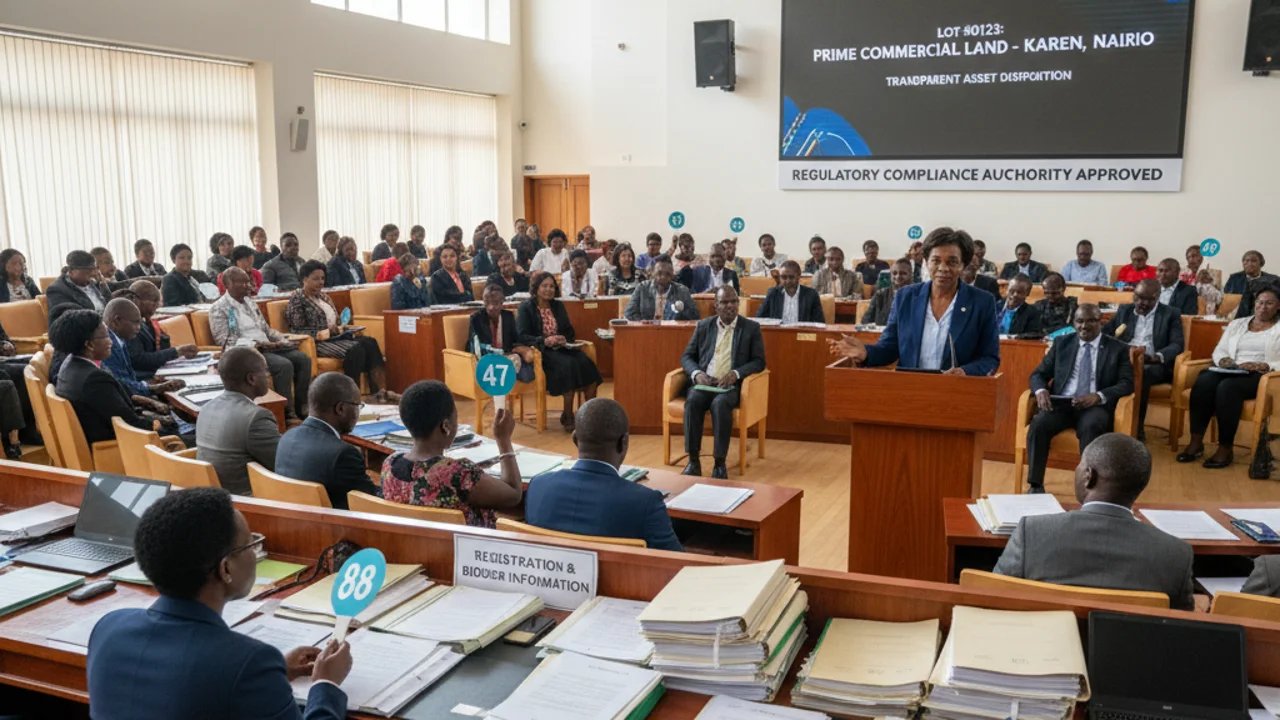
Engaging in official asset auctions in Kenya involves a structured process to ensure fair play and legal compliance. Firstly, potential buyers must identify legitimate auctions, which are primarily advertised in the Kenya Gazette, major national newspapers (e.g., The Standard, Daily Nation), and on the official websites of licensed auctioneers. These notices typically include detailed descriptions of the assets, viewing schedules, and auction terms. It is crucial to physically inspect the assets during the designated viewing period to assess their condition and verify details.
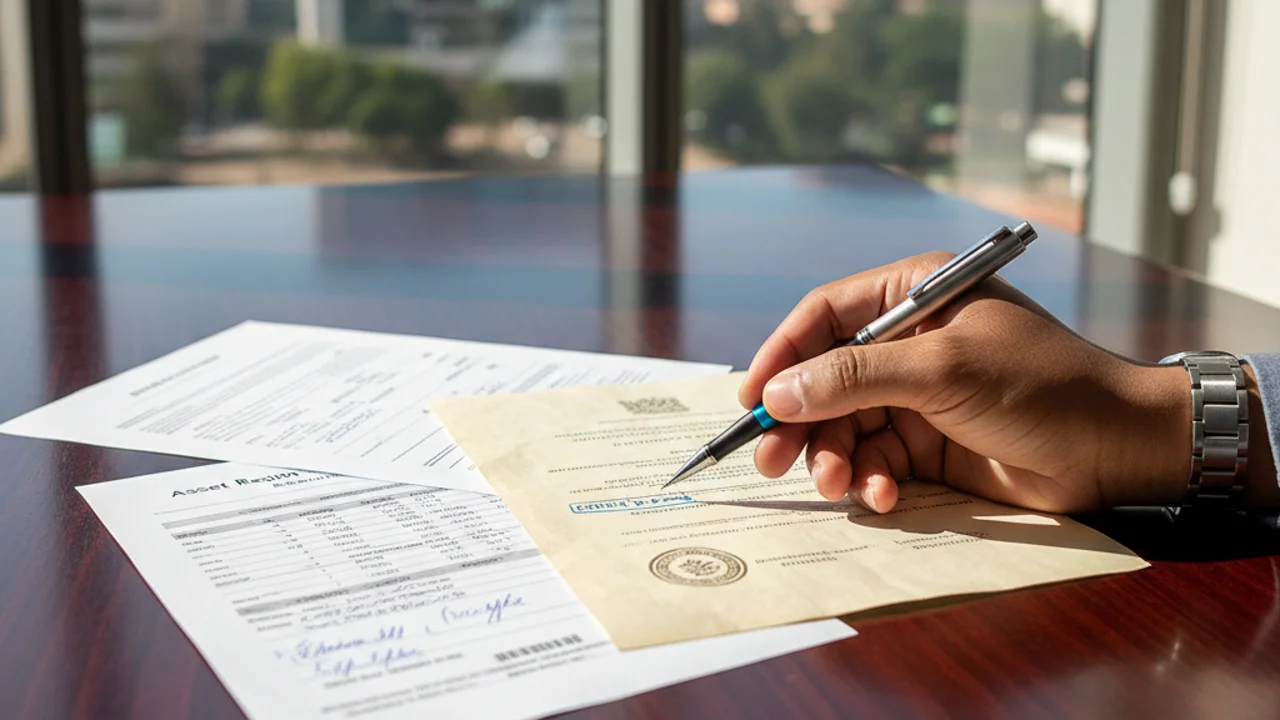
Registration for an auction usually requires a valid National Identity Card, a KRA PIN certificate, and often a refundable bid deposit (e.g., KES 50,000 to KES 200,000 depending on the asset value). On auction day, bidders must adhere to the auctioneer’s instructions. Upon the fall of the hammer, the highest bidder is usually required to pay an immediate deposit, often 25% of the purchase price, with the remaining balance due within a specified period, typically 7 to 14 days. Failure to complete payment within this timeframe can result in forfeiture of the deposit. Swipe Recoveries Experts Ltd simplifies this complex procedure, offering hands-on assistance and ensuring clients are well-prepared for each step.
Debt Recovery & Auctioneering Coverage in Kenya
Swipe Recoveries Experts Ltd provides commercial recovery, skip tracing, and auctioneering services across Kenya and all 47 counties in Kenya.
Costs, Commissions, and Due Diligence in Official Auctions

Understanding the financial implications is vital when participating in official asset auctions in Kenya. Beyond the hammer price, buyers are typically responsible for the auctioneer’s commission, which is legally stipulated by the Auctioneers Act, Cap 526. For instance, commission rates on immovable property might be 2.5% on the first KES 500,000 and 1.25% on the remainder, capped at a certain amount. For movable property, rates can be up to 10% on the first KES 50,000, and 5% on the remainder, also capped. Additional costs include legal fees for drafting conveyance documents, stamp duty (e.g., 4% for urban property, 2% for rural), and potentially valuation fees.
Thorough due diligence is indispensable to mitigate risks. This involves verifying ownership documents (e.g., title deeds at the Lands Registry, logbooks at NTSA), checking for any encumbrances, and ensuring that the asset is free from legal disputes. It's also wise to get independent valuations. Swipe Recoveries Experts Ltd emphasizes meticulous due diligence and provides clear cost estimates in Kenya Shillings (KES) to help clients budget effectively. Our dedication ensures that you can acquire assets securely and profitably. For bespoke advice, contact us at +254 740 504 761.