Understanding Microfinance Institution Repossessed Property in Kenya
For discerning investors and property seekers, understanding the market for MFI repossessed property Kenya offers presents a unique avenue for acquiring assets, often at attractive price points. Microfinance Institutions (MFIs), while serving a distinct segment of the market, also engage in asset financing and can, in cases of default, repossess properties. Swipe Recoveries Experts Ltd plays a vital role in demystifying this niche market, providing clarity on the acquisition process, legalities, and potential. We help our clients navigate the auctions and direct sales of these properties, ensuring informed decision-making and a secure path to ownership within Kenya's diverse property landscape.
The Regulatory Landscape for MFI Repossessed Property in Kenya
The acquisition of MFI repossessed property in Kenya is subject to regulations that ensure transparency and fairness, aligning with broader Kenyan property laws. While MFIs might not be regulated under the same stringent banking acts as commercial banks, their asset recovery processes are still influenced by the Land Act (No. 6 of 2012) and the Auctioneers Act (Cap 526). These laws govern the procedures for repossession and sale, including the requirement for licensed auctioneers and public notification. The Central Bank of Kenya also oversees the broader financial sector, indirectly influencing prudent lending and recovery practices among institutions it regulates. Swipe Recoveries Experts Ltd ensures that all transactions involving MFI repossessed property adhere to these legal frameworks, safeguarding your investment.

Process of Acquiring MFI Repossessed Property in Kenya
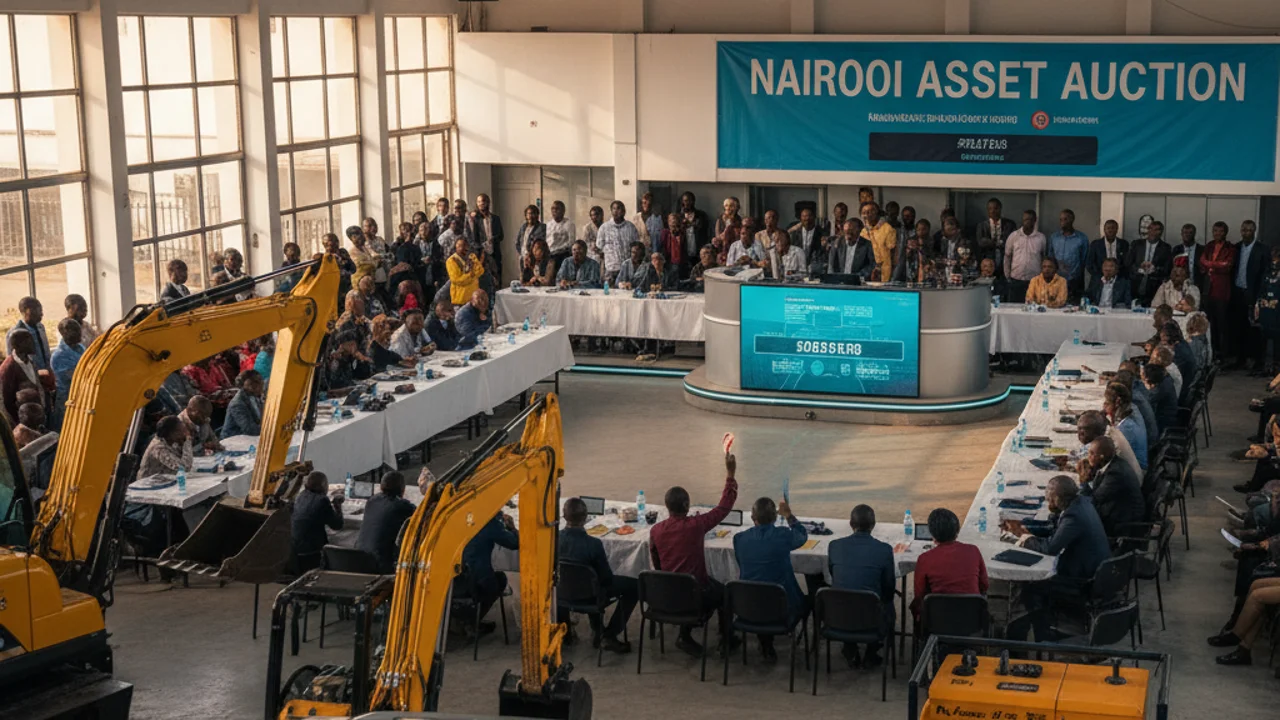
Acquiring MFI repossessed property Kenya offers usually involves an auction process, similar to that for bank repossessions, though sometimes direct sales may be negotiated. MFIs will typically advertise properties due for sale through their designated auctioneers. These advertisements usually appear in national dailies, detailing the property, location, and auction date. Potential buyers are often required to pay a pre-auction deposit, which varies but can range from KES 100,000 to KES 500,000, depending on the property's value. The auction proceeds with open bidding, and the highest bidder, upon confirmation by the MFI, is then expected to complete the purchase within a specified period, typically 30-90 days. This involves paying the balance of the purchase price and covering legal transfer fees, stamp duty, and any outstanding rates to the relevant county government, such as the Nairobi County Government.
Debt Recovery & Auctioneering Coverage in Kenya
Swipe Recoveries Experts Ltd provides commercial recovery, skip tracing, and auctioneering services across Kenya and all 47 counties in Kenya.
Understanding Costs and Value of Repossessed Property from MFIs

The primary advantage of purchasing MFI repossessed property is the potential for acquiring assets at a discount, often below market value. However, it is crucial for buyers to conduct thorough due diligence and factor in all associated costs. These may include auctioneer's fees (if applicable, though often borne by the MFI or included in the sale price), legal fees for conveyancing and title transfer, stamp duty (a percentage of the property value payable to the Kenya Revenue Authority), and potential costs for clearing any outstanding land rates or service charges. Swipe Recoveries Experts Ltd provides a comprehensive breakdown of these potential expenses, which could add 10-15% to the hammer price. We advise on conducting independent property valuations and site inspections to ascertain the true market value and any repair or renovation needs.