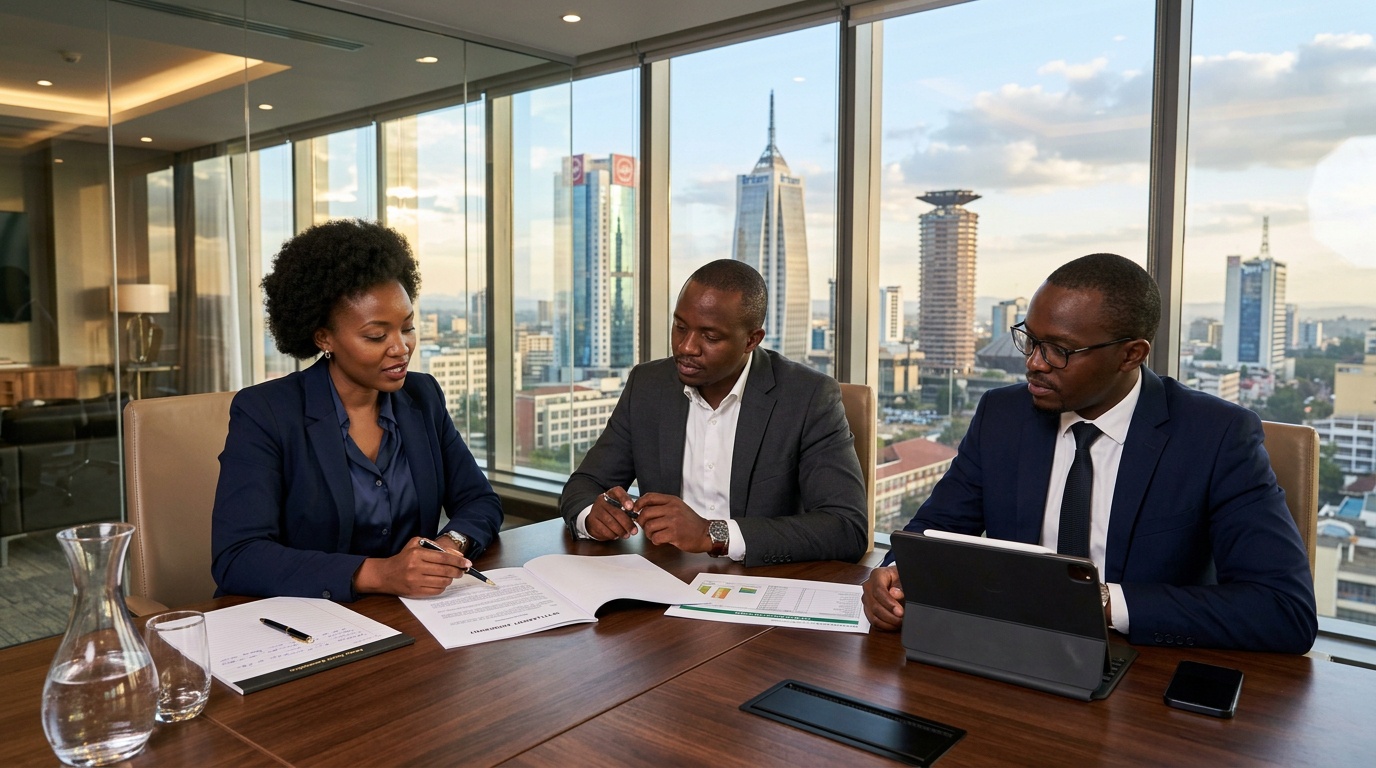
Your Source for High-Value Liquidation Assets
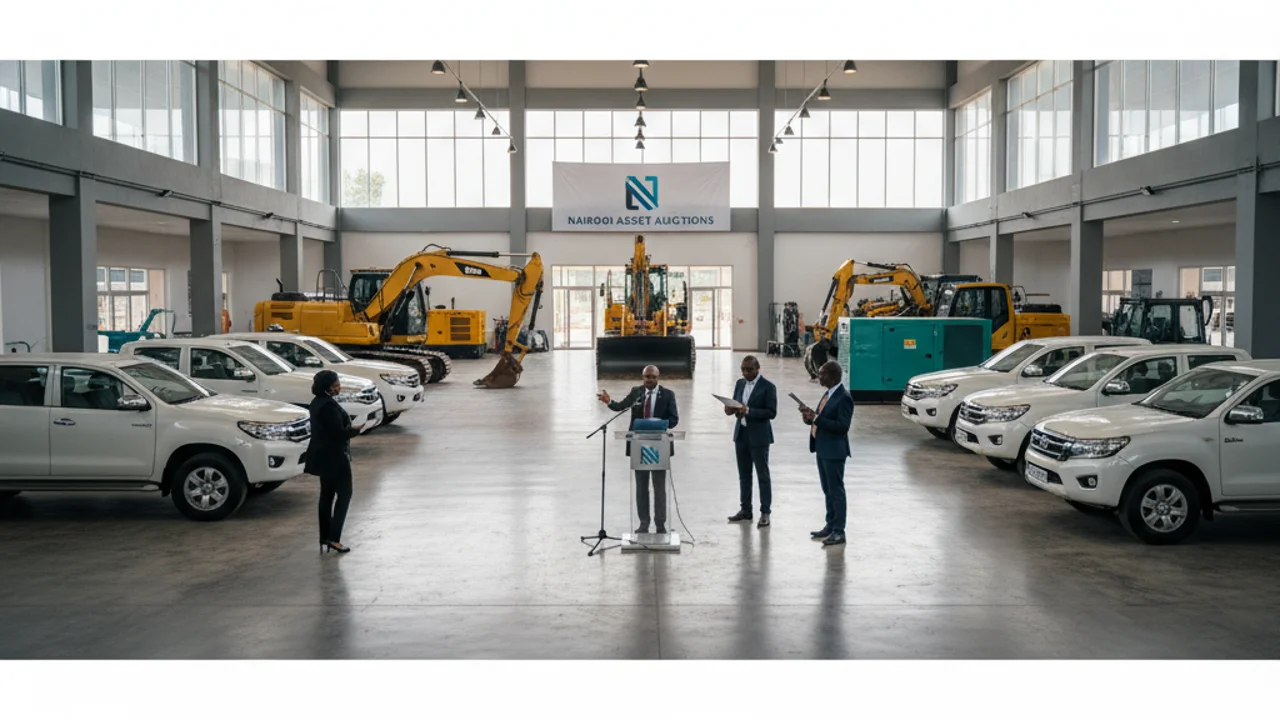
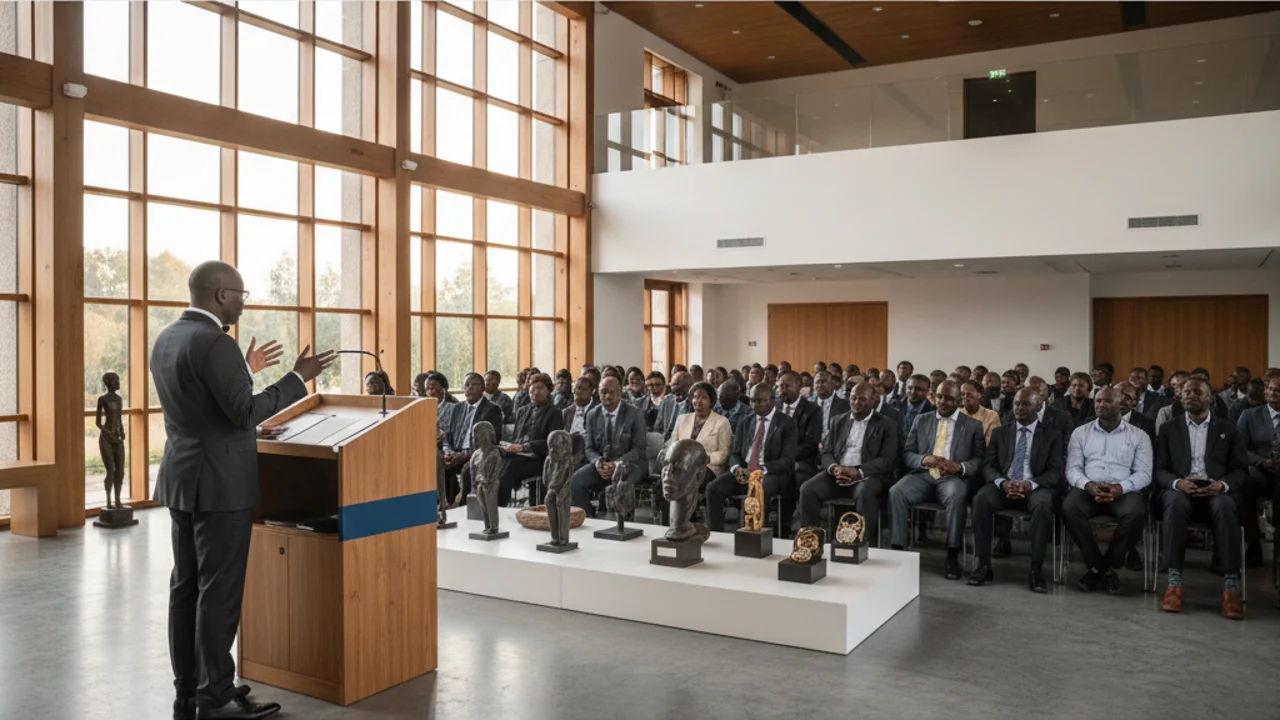
Are you searching for valuable liquidated stock for sale in the heart of Nairobi? Swipe Recoveries Experts Ltd, operating from our central location at International Life House on Mama Ngina Street, is your premier destination for acquiring high-quality assets at exceptional prices. Liquidated stock comprises goods sold to clear inventory, often originating from business closures, creditor repossessions, or end-of-lease agreements. This presents a unique opportunity for resellers, business owners, and savvy individuals to purchase vehicles, office furniture, electronics, and industrial equipment for a fraction of their original cost. Our auctions are conducted transparently and professionally, ensuring you get clear title and fantastic value on every purchase.
Understanding the Source & Legality of Liquidated Stock
It's essential for buyers to understand where liquidated stock comes from and the legal assurances that protect their purchase. The assets we offer for sale primarily originate from three main sources. The first is creditor repossessions, where goods are seized under legal instruments like chattel mortgages or court orders to settle a debt. The second is company insolvency; when a business closes down, its assets are sold off by a liquidator to pay its creditors, as stipulated by The Companies Act, 2015. The third source is ex-lease or surplus assets from large corporations updating their equipment.
Crucially, every sale of liquidated stock conducted by Swipe Recoveries Experts Ltd is governed by The Auctioneers Act (No. 5 of 1996) and The Sale of Goods Act (Cap 31). As a fully licensed and compliant firm, we ensure that the entire process, from advertisement to the fall of the hammer, is legally sound. This guarantees that the buyer receives a clean and unencumbered title to the goods purchased. All items are sold on an "as is, where is" basis, which is why we always schedule viewing days for thorough inspection before the sale.

How to Buy Liquidated Stock: The Process & Requirements
Purchasing liquidated stock through us is a straightforward and transparent process designed for fairness and efficiency. Whether the sale is via public auction, a sealed tender, or a private treaty sale, the steps are clear and easy to follow. The first and most critical step is inspection during viewing days. We advertise specific dates when interested buyers can visit the location of the goods—be it a warehouse in Industrial Area, a yard on Mombasa Road, or the original premises—to inspect them firsthand. We cannot overstate the importance of this step.
To participate in an auction or tender, you must register with us. This typically involves completing a registration form and paying a refundable bidding deposit. The deposit amount varies depending on the value of the assets and is meant to ensure only serious bidders participate. Once registered, you can participate in the bidding. In a public auction, the highest bidder above the reserve price wins. For tenders, you submit a confidential bid, and the highest offer is selected after the closing date. Upon winning, you will be required to pay the balance of the purchase price, along with any applicable buyer's premium and VAT, within a stipulated timeframe, usually 24-48 hours. After full payment, you can then make arrangements to collect your newly acquired goods.
Typical Costs & Finding Value in Liquidation Sales
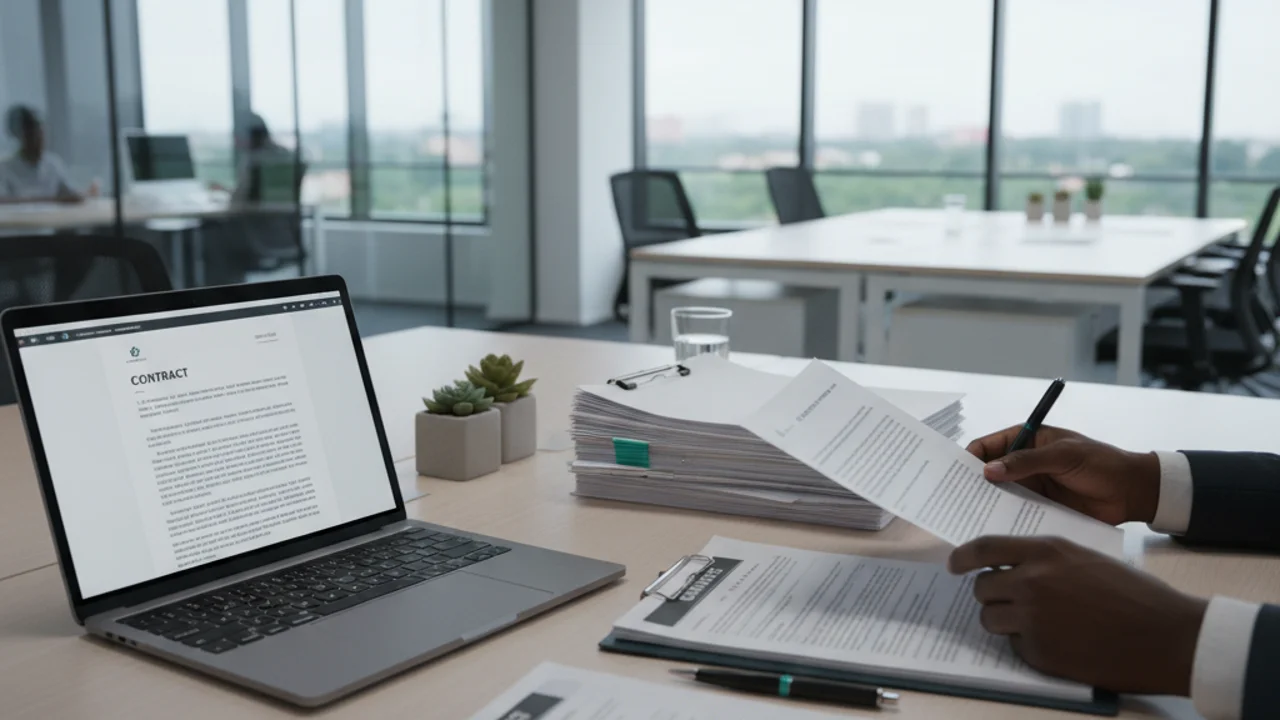
While the final price of liquidated stock is determined by the highest bid, there are standard costs to be aware of. The main components are the refundable bidding deposit, the final bid price (hammer price), and a 'buyer's premium'. The refundable bidding deposit is returned to you if you do not win any items. This can range from KES 20,000 for smaller lots of goods to KES 100,000 or more for high-value assets like motor vehicles or heavy machinery.
The buyer's premium is a standard industry fee. It is a percentage of the hammer price that is paid to the auctioneer to cover the costs of conducting the sale. This premium is typically between 10% and 15% of the winning bid, and Value Added Tax (VAT) is then charged on this premium. For example, if you win an item for KES 100,000 and the buyer's premium is 10%, you will pay KES 100,000 (hammer price) + KES 10,000 (buyer's premium) + VAT on the premium. Always factor this into your maximum bid to stay within your budget. The key to finding value is thorough inspection and researching the market rate of the items beforehand.