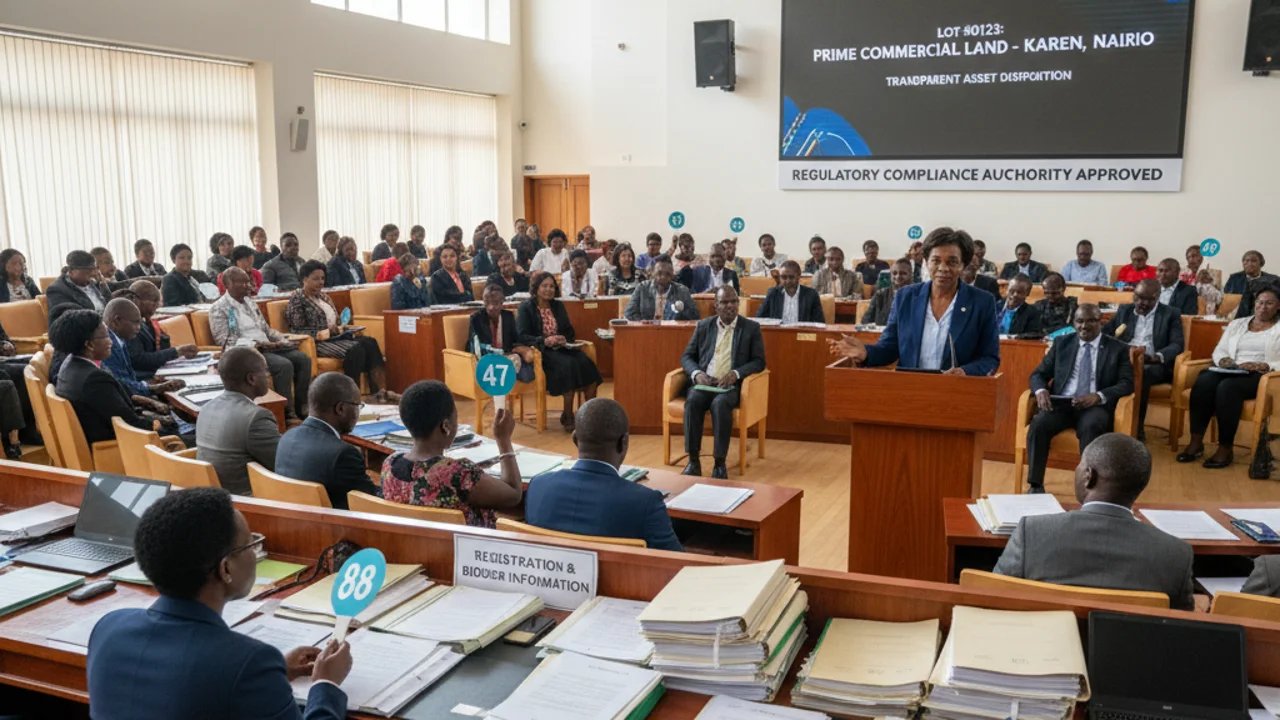
Demystifying Kenya Government Auctions
Participating in Kenya government auctions presents unique opportunities to acquire valuable assets, from land and vehicles to confiscated goods. Swipe Recoveries Experts Ltd, based at International Life Hse, 8th Floor, Mama Ngina Street, Nairobi, is your premier partner in navigating these often complex sales. We provide insightful expertise to help you understand the procedures, identify legitimate opportunities, and bid strategically to achieve results that matter. Our dedicated team ensures transparency and compliance throughout the process, making your experience with government auctions seamless and successful.
Understanding the Legal Framework for Government Auctions in Kenya
Kenya government auctions are primarily governed by the Public Procurement and Disposal of Assets Act (PPDA) No. 36 of 2015 and its associated regulations. This legislation aims to ensure that public assets are disposed of transparently and efficiently, maximizing value for the public purse. Various government ministries, departments, and state corporations conduct these auctions to dispose of unserviceable equipment, surplus assets, or property seized due to non-compliance with laws. Key entities involved include the National Treasury, which sets policies, and appointed government auctioneers registered under the Auctioneers Act, Cap 526. Swipe Recoveries Experts Ltd ensures clients are fully informed about these legal underpinnings, including adherence to the Ethics and Anti-Corruption Commission (EACC) guidelines to prevent malpractice and ensure fair competition.

The Official Process for Participating in Government Auctions
Engaging in Kenya government auctions requires adherence to a strict protocol. Potential bidders must first identify advertised auctions, typically published in the official Kenya Gazette, leading newspapers, or on relevant government ministry websites. Swipe Recoveries Experts Ltd actively monitors these channels for lucrative opportunities. Registration is usually mandatory, requiring a completed application form, a valid identification document (ID card or passport), a KRA PIN certificate, and often a bid bond, usually presented as a banker's cheque. The bid bond's value is a percentage of the advertised reserve price. On auction day, registered bidders receive auction numbers. The auctioneer presents the asset and solicits bids. The highest bid that meets or exceeds the reserve price secures the asset. The winning bidder must then fulfill the payment terms, which typically involve a deposit on auction day and the balance within a specified period, such as 30 days. Our team guides clients through each of these steps, ensuring all documentation and financial requirements are met.
Debt Recovery & Auctioneering Coverage in Kenya
Swipe Recoveries Experts Ltd provides commercial recovery, skip tracing, and auctioneering services across Kenya and all 47 counties in Kenya.
Costs and Considerations in Kenya Government Auctions

Beyond the hammer price, several costs are associated with winning a bid in Kenya government auctions. These include the auctioneer's commission, which can range from 5% to 10% of the sale price, and is often borne by the buyer. Stamp duty, levied by the Kenya Revenue Authority (KRA) on property transfers, is another significant expense, with rates varying by property type and location. For movable assets, transfer fees might apply. Legal fees for conveyancing and registration, particularly for land or vehicles, should also be factored into the budget. For example, a government vehicle purchased for KES 500,000 might incur auctioneer fees of KES 25,000-50,000, plus potential transfer fees. Swipe Recoveries Experts Ltd provides detailed cost breakdowns, helping clients make informed financial decisions and avoid post-auction surprises. Our aim is to ensure that the overall investment is sound and profitable.