Navigating the World of Heavy Machinery Auctions
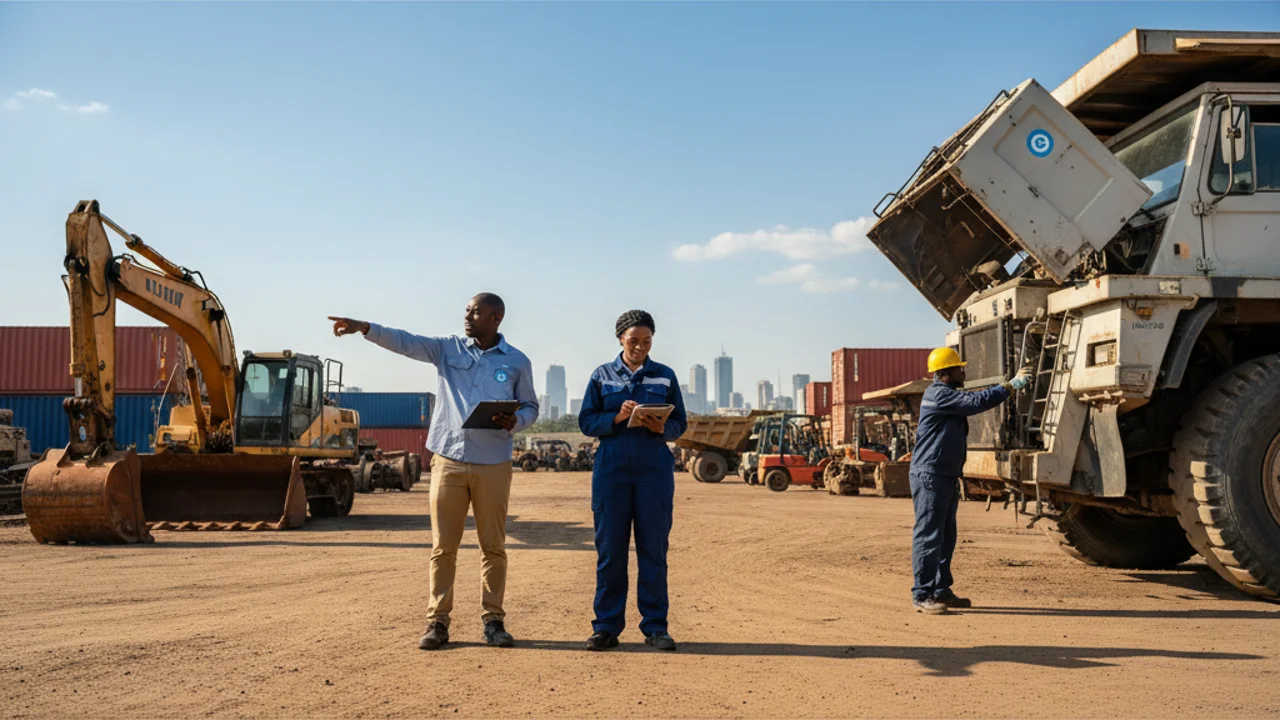
A heavy machinery auction offers a dynamic marketplace for acquiring or disposing of significant assets such as excavators, bulldozers, cranes, and agricultural equipment. These auctions are crucial for businesses in construction, mining, agriculture, and logistics seeking cost-effective solutions or liquidating surplus machinery. At Swipe Recoveries Experts Ltd, we understand the intricacies involved in these high-value transactions, from legal compliance to valuation, ensuring a transparent and efficient process for both buyers and sellers. Our expertise ensures you navigate the complexities of acquiring or selling industrial equipment, whether it's a single earthmover or an entire fleet, with confidence and optimal results.
Legal Frameworks and Regulatory Compliance for Machinery Auctions
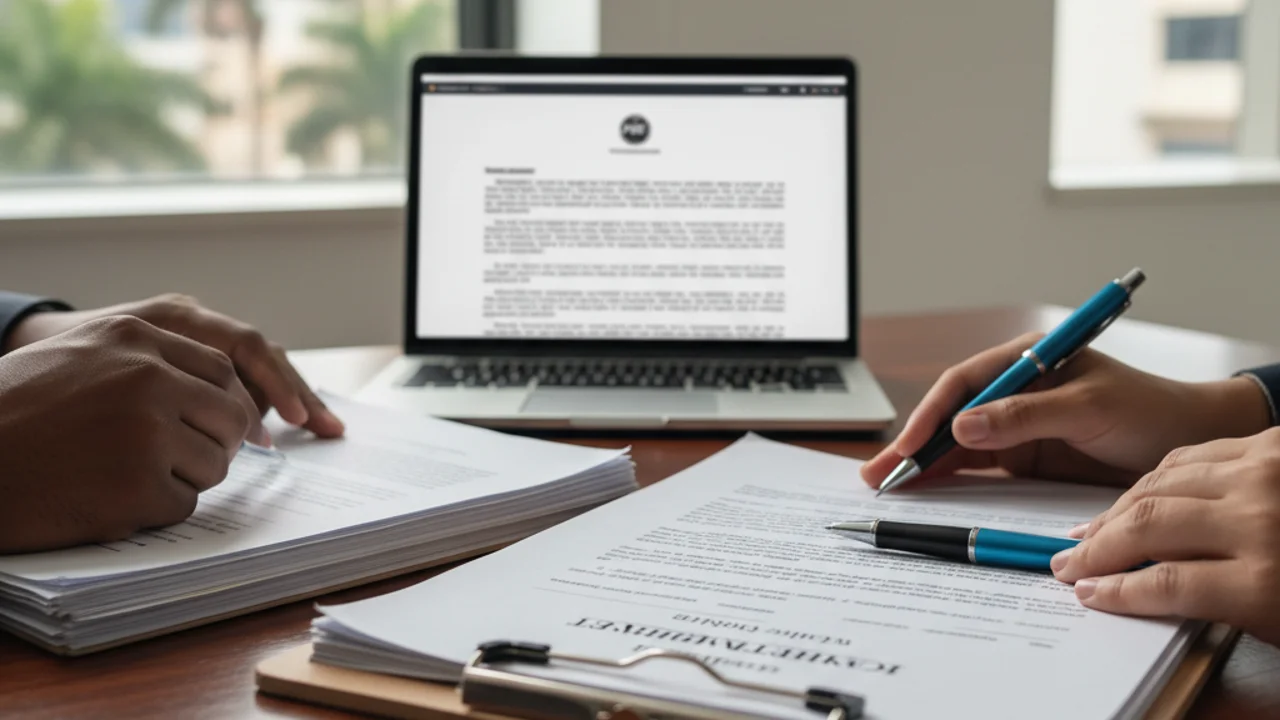
Conducting or participating in a heavy machinery auction in Kenya is governed by specific legal frameworks designed to ensure fairness, transparency, and consumer protection. The primary legislation is the Auctioneers Act, Cap 526, Laws of Kenya, which regulates the licensing and conduct of auctioneers. All auctions, including those involving industrial equipment, must adhere to the rules stipulated therein. Furthermore, when machinery is being sold due to financial distress, the Insolvency Act, No. 18 of 2015, and the Companies Act, No. 17 of 2015, provide a framework for the disposal of assets of companies in liquidation or receivership. Buyers must also be aware of any encumbrances or charges registered against the machinery, which can be verified through due diligence searches at relevant registries, such as the Collateral Registry. Compliance with environmental regulations, particularly those set by the National Environmental Management Authority (NEMA), is paramount for certain types of heavy equipment, ensuring responsible disposal or acquisition. Swipe Recoveries Experts Ltd ensures all auctions we facilitate comply with these stringent legal and regulatory requirements, protecting both sellers and buyers.
The Auction Process: Steps to Buying or Selling Heavy Machinery
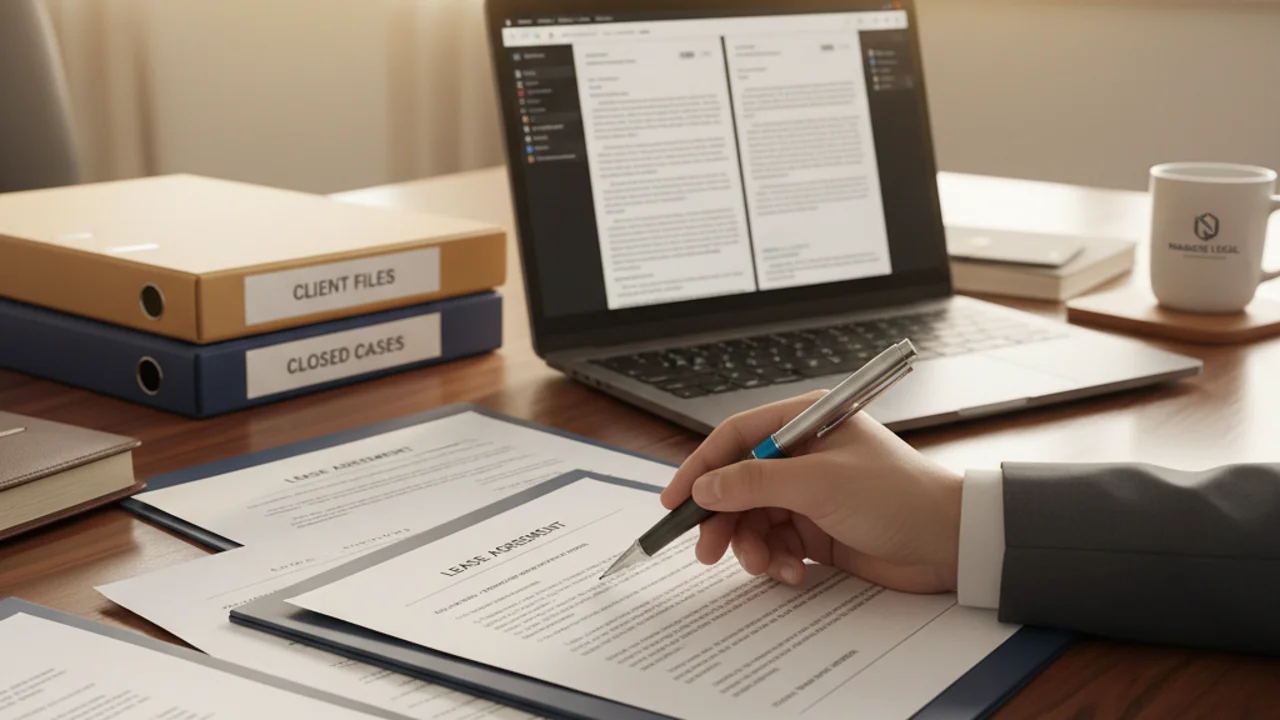
The process for engaging in a heavy machinery auction involves several critical steps for both buyers and sellers. For sellers, it begins with professional valuation of the machinery by a qualified valuer, often followed by a gazette notice and public advertisement (in newspapers like the Daily Nation or The Standard) detailing the auction date, time, venue (e.g., our offices at International Life House, 8th Floor, Mama Ngina Street, Nairobi), and a comprehensive inventory. Potential buyers are strongly encouraged to attend pre-auction viewing days to inspect the machinery firsthand, as most items are sold on an 'as-is, where-is' basis. Registration for bidding usually requires a refundable deposit, known as a bid bond. During the auction, competitive bidding determines the hammer price. Upon a successful bid, the buyer must typically pay a percentage deposit (e.g., 25% of the purchase price) immediately, with the balance due within a stipulated period, often 7 to 14 days. Failure to complete payment may result in forfeiture of the deposit. Swipe Recoveries Experts Ltd meticulously manages these steps, from valuation to title transfer, ensuring a seamless experience and adherence to all legal obligations.
Cost Implications and Practical Guidance for Machinery Auctions

Understanding the potential costs is crucial when participating in a heavy machinery auction. For sellers, primary costs include valuation fees, advertising costs, and the auctioneer's commission, which typically ranges from 2.5% to 5% of the hammer price, subject to a minimum fee. For instance, selling a KES 10,000,000 excavator might incur a KES 250,000 commission. Storage fees for machinery awaiting auction may also apply. Buyers, on the other hand, are responsible for the hammer price, value-added tax (VAT) if applicable, and any necessary logistical costs for transporting the machinery from the auction site. While bid bonds are usually refundable if the bid is unsuccessful, failure to complete a purchase can lead to forfeiture. It’s also vital for buyers to factor in potential refurbishment costs. Swipe Recoveries Experts Ltd provides clear breakdowns of all anticipated fees and offers practical advice on preparing your machinery for auction or conducting thorough due diligence before purchase, ensuring no hidden surprises and fostering trust in every transaction. We also advise on post-auction procedures, including title transfer and asset collection.