Navigating Successful Heavy Equipment Auctions with Expert Guidance
Engaging in heavy equipment auctions, whether as a savvy buyer or a strategic seller, requires expert guidance to ensure maximum value, transparency, and full compliance with local regulations. These specialized auctions provide a dynamic marketplace for acquiring critical machinery such as excavators, bulldozers, loaders, and agricultural equipment, or for efficiently liquidating valuable assets. Swipe Recoveries Experts Ltd stands as a leading facilitator of heavy equipment auctions in Kenya, offering unparalleled expertise from valuation to final sale. Our commitment to integrity and meticulous process management ensures a seamless and successful auction experience for all participants.
Legal Framework & Compliance for Heavy Equipment Auctions in Kenya
All heavy equipment auctions in Kenya are governed by the stringent provisions of the Auctioneers Act, Cap 526 of the Laws of Kenya. This Act outlines the licensing requirements, professional conduct, and regulatory duties of auctioneers, ensuring that all sales are conducted with transparency and fairness. A licensed auctioneer, like those at Swipe Recoveries Experts Ltd, is legally mandated to adhere to these rules, which include proper advertising of the auction, clear disclosure of terms and conditions, and a lawful bidding process. Non-compliance can invalidate sales and lead to severe penalties.
Beyond the Auctioneers Act, other relevant regulations may touch upon aspects such as environmental impact assessments for certain machinery or specific trade licenses required for import/export of heavy equipment. Our role as professional auctioneers extends to ensuring all assets presented for auction have clear titles and are free from encumbrances, meticulously verifying documentation before listing. This diligent approach safeguards both sellers from potential legal challenges and buyers from acquiring problematic assets, making the auction process secure and trustworthy, particularly for high-value items like construction vehicles and industrial machinery.
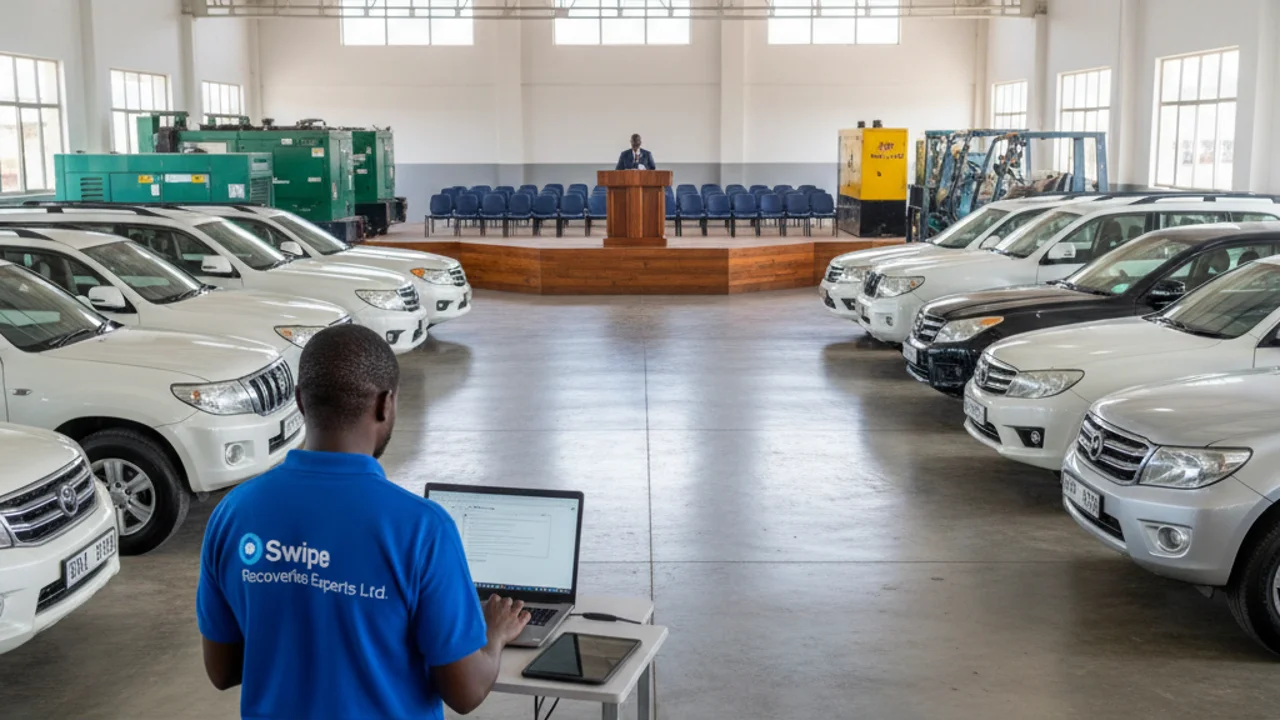
The Process of Buying & Selling at Heavy Equipment Auctions
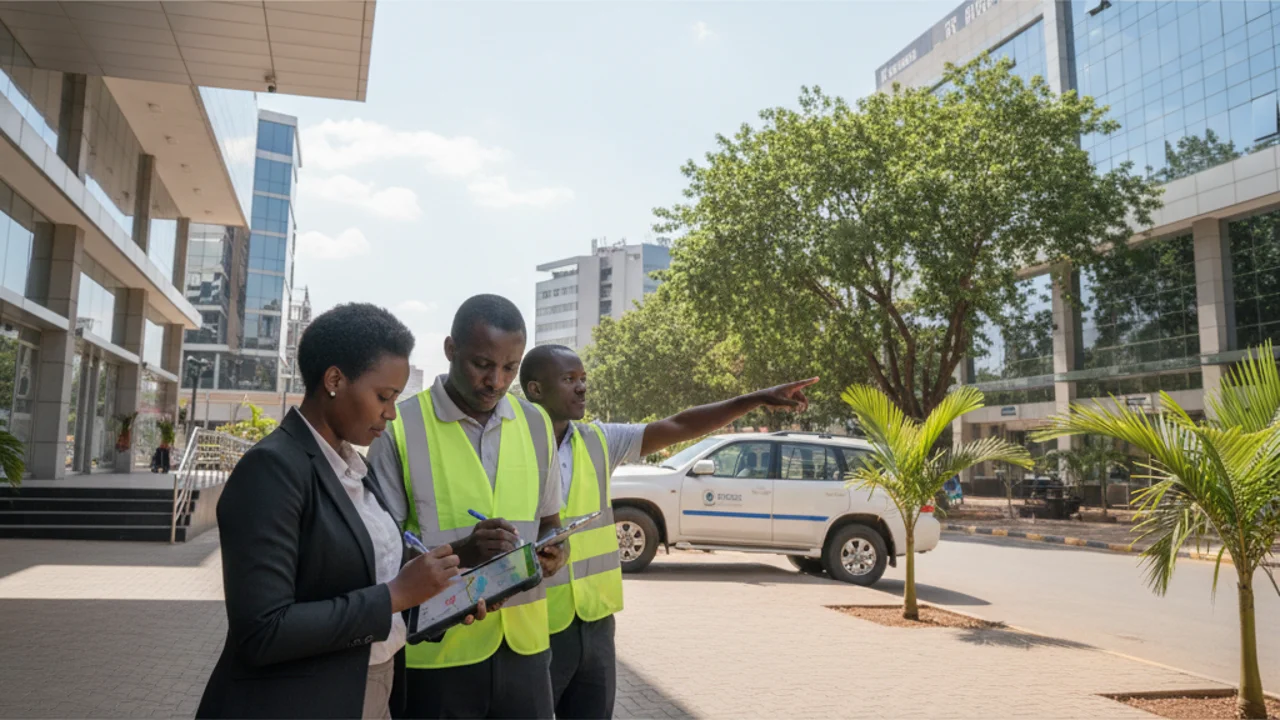
The process for both buying and selling at heavy equipment auctions is structured to maximize efficiency and outreach. For sellers, it begins with an accurate valuation of the equipment by certified valuers, followed by comprehensive listing and strategic marketing to attract a wide pool of qualified buyers. This often includes detailed descriptions, photographs, and sometimes video tours of the machinery (e.g., cranes, forklifts, road rollers). A crucial phase is the pre-auction inspection period, where prospective buyers can physically examine the equipment and verify its condition, reducing future disputes.
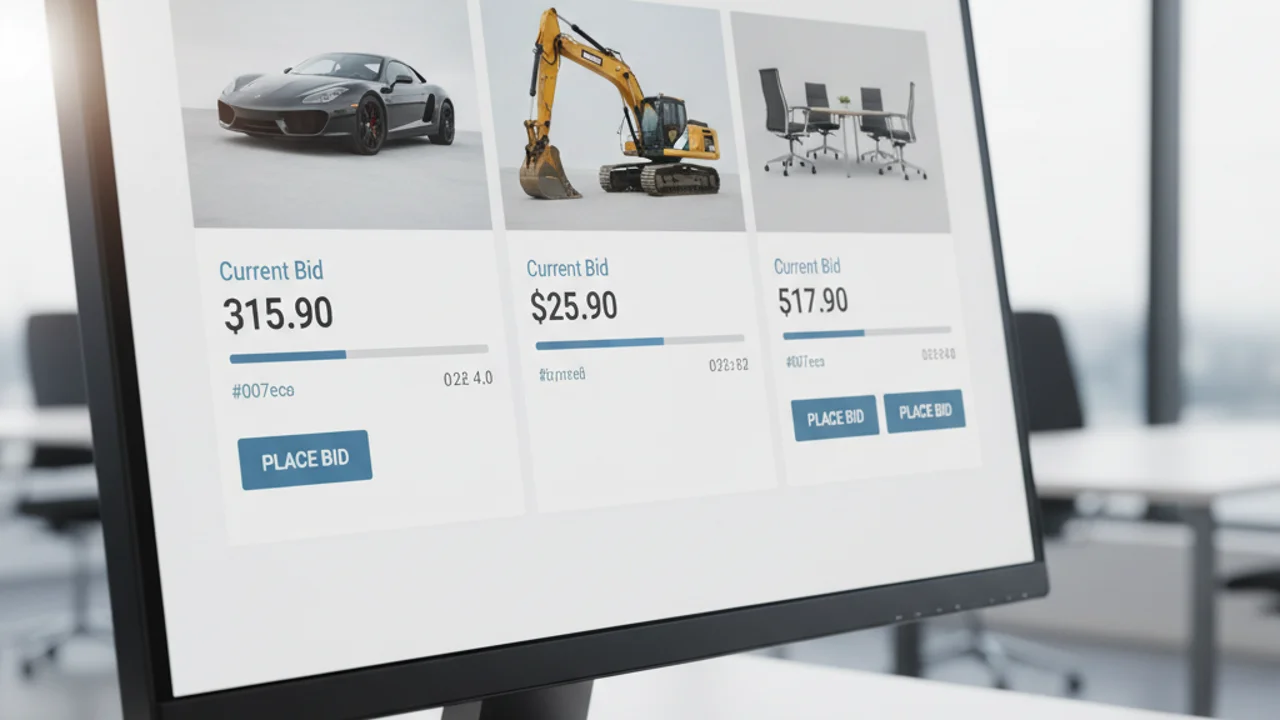
For buyers, participation involves registration, which may include pre-qualification to bid on high-value items. On auction day, the bidding process is typically open and transparent, with a clear auctioneer calling. Successful bidders are then required to make payment within a specified timeframe, followed by arranging for the collection of the equipment. Swipe Recoveries Experts Ltd, operating from our headquarters at International Life Hse, Mama Ngina Street, Nairobi, manages all these logistical details, providing a seamless experience. We facilitate everything from advertising the auction in local and national media to ensuring secure payment processing and orderly asset handover, specializing in various heavy equipment types including agricultural machinery and mining equipment.
Understanding Costs & Maximizing Returns at Heavy Equipment Auctions

When engaging in heavy equipment auctions, understanding the associated costs is key to maximizing returns or securing a good deal. For sellers, typical expenses include the auctioneer's commission, which can range from 5% to 15% of the final sale price, depending on the equipment's value and the auction's complexity. There may also be advertising costs, valuation fees (e.g., KES 10,000 - KES 50,000 for a detailed heavy equipment valuation), and storage charges. For example, selling an excavator for KES 10,000,000 could incur a commission of KES 500,000 to KES 1,500,000.
Buyers usually encounter a 'buyer's premium,' an additional percentage (often 10% to 15%) added to the hammer price. A KES 3,000,000 loader bought at auction might have a KES 300,000 to KES 450,000 buyer's premium. Additionally, buyers are responsible for transport costs and any necessary repairs post-purchase. Swipe Recoveries Experts Ltd is transparent about all fees upfront, ensuring no hidden charges. Our strategic marketing efforts and broad network of buyers help sellers achieve competitive prices, while our clear terms ensure buyers can bid confidently, fostering trust in all transactions at our regularly scheduled heavy equipment auctions.