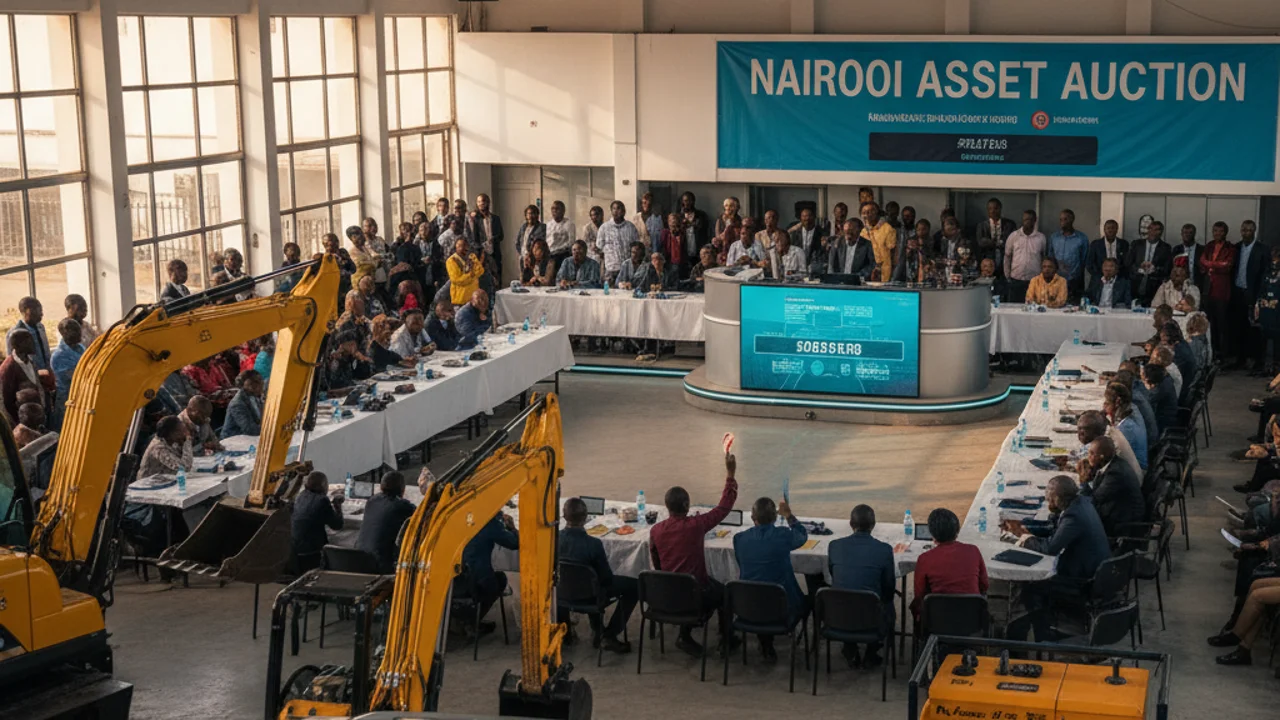
Navigating govt property auctions requires understanding specific legal frameworks and procedural nuances to acquire valuable public assets.
Acquiring property through govt property auctions in Kenya offers a unique opportunity to secure valuable real estate and other assets at competitive prices, often under the purview of governmental agencies or as a result of statutory enforcement. Swipe Recoveries Experts Ltd, based at International Life Hse, 8th Floor, Mama Ngina Street, Nairobi, is your trusted expert in managing and facilitating these official sales. We are dedicated to providing innovative, tailored solutions that ensure transparency and compliance, helping you achieve results that truly matter in your property acquisition journey.
Legal Framework Governing Government Property Auctions in Kenya
The process for govt property auctions in Kenya is strictly regulated to ensure fairness, transparency, and accountability. Key legislations and frameworks include the Government Properties Disposal Act, the Public Procurement and Disposal of Public Assets Act (2015), and specific regulations pertaining to various government bodies such as the National Land Commission (NLC) and county governments. Auctions may arise from asset forfeiture, uncollected revenues, or disposal of surplus government assets. For instance, properties seized due to non-payment of taxes or fines might be auctioned under the authority of the Kenya Revenue Authority (KRA). Furthermore, court orders or bankruptcy proceedings can lead to government-supervised property auctions. Swipe Recoveries Experts Ltd meticulously adheres to all these statutory requirements, including public advertising protocols mandated by the Auctioneers Act (Cap. 526) and relevant financial regulations, ensuring every auction is conducted legitimately and ethically.
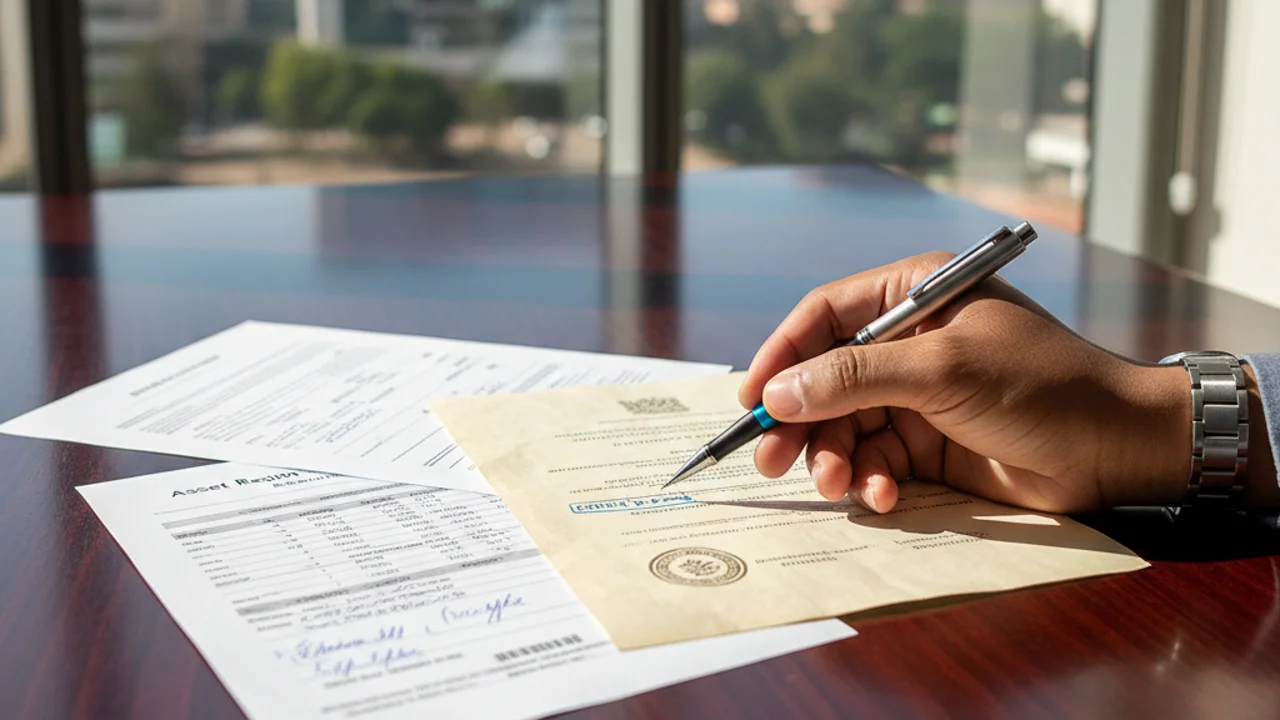
The Procedure for Participating in Government Property Auctions
Participating in govt property auctions involves a structured process managed by licensed auctioneers, often in collaboration with specific government departments. The first step typically includes public notification of the auction, usually through official gazettes and major newspapers, detailing the property, location, auction date, time, and reserve price. Interested bidders are generally required to register, often submitting a refundable deposit—commonly ranging from KES 50,000 to KES 500,000 or more, depending on the property's value—to obtain bidding numbers. Prospective buyers are encouraged to conduct thorough due diligence on the property, including land searches at the Registrar of Deeds, verifying ownership, checking for encumbrances, and assessing the property's physical condition. On auction day, licensed auctioneers facilitate the bidding process, and the highest bidder, provided their bid meets or exceeds the reserve price, is declared the winner. Swipe Recoveries Experts Ltd ensures that all procedural requirements are clearly communicated to bidders, fostering an environment of informed participation.
Costs, Fees, and Investment Potential in Government Property Auctions

When bidding in govt property auctions, understanding the associated costs and fees is crucial. Beyond the hammer price, successful bidders will typically incur auctioneer's commission, usually between 5% and 10% of the purchase price, payable by the seller or buyer as per auction terms. Stamp duty, a significant government tax on property transfers, is also applicable and varies based on location (e.g., 4% in Nairobi and Mombasa, 2% elsewhere). Legal fees for title transfer documentation can range from KES 30,000 to KES 100,000 or more. For a property bought at KES 10,000,000, a 10% commission would be KES 1,000,000. Stamp duty in Nairobi would be KES 400,000, and legal fees might add another KES 50,000. Swipe Recoveries Experts Ltd helps clients evaluate the investment potential by providing insights into market values, potential development opportunities, and estimated renovation or legal costs, ensuring a clear financial picture.