Opportunities in Government Seized Property Auctions
Acquiring government seized property in Kenya presents unique opportunities for investors seeking valuable assets at potentially competitive prices. These properties, often forfeited due to non-compliance with laws or as proceeds of crime, are typically disposed of through public auctions regulated by various government agencies. Swipe Recoveries Experts Ltd provides expert guidance and services to help you navigate the complexities of these auctions. We understand the intricate legal frameworks, registration processes, and due diligence required when bidding on seized assets. Our aim is to demystify the process, enabling you to participate confidently and effectively in auctions for government seized property. We are committed to delivering results that matter through innovative, tailored solutions, with dedication at the core of every engagement.
Understanding the Legal Framework for Seized Property Auctions
The auctioning of government seized property in Kenya is governed by a robust legal framework designed to ensure transparency, fairness, and compliance. Key statutes include the Proceeds of Crime and Anti-Money Laundering Act (PCAML Act), 2010, which outlines procedures for asset forfeiture and disposal. Furthermore, agencies like the Kenya Revenue Authority (KRA), the Directorate of Public Prosecutions (DPP), and various law enforcement bodies often oversee the seizure and sale of assets related to tax evasion, smuggling, or other illicit activities. The Auctioneers Act (Cap 526) also plays a crucial role, dictating the conduct of licensed auctioneers who manage these sales. Swipe Recoveries Experts Ltd works closely with these frameworks, ensuring our clients understand the legal standing of the properties they are interested in and the procedures for acquisition. We meticulously research the provenance of each property, verifying its seizure status and ensuring all legal documentation is in order before any auction participation is advised.
Understanding the different types of agencies involved is also vital. For instance, the Anti-Counterfeit Authority (ACA) may auction seized counterfeit goods, while properties linked to financial crimes could be managed through the Asset Recovery Agency (ARA). Each agency has specific protocols for public notification and bidding. Swipe Recoveries Experts Ltd stays abreast of these varying procedures, providing our clients with up-to-date information and strategic advice. Our due diligence process helps mitigate risks associated with purchasing seized property, ensuring that clients acquire assets free from unforeseen legal encumbrances.

Process of Acquiring Government Seized Property
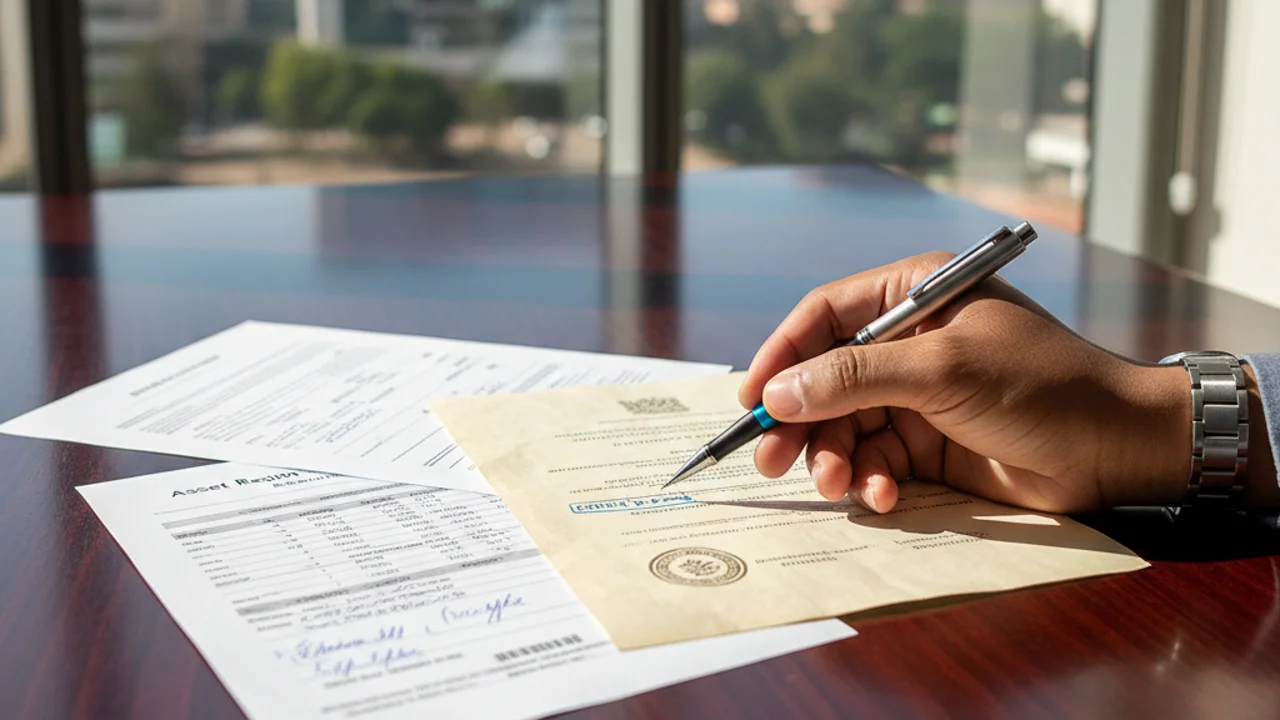
Acquiring government seized property typically involves several key steps managed with expertise by Swipe Recoveries Experts Ltd. Initially, interested parties must identify available auctions, which are usually advertised in national newspapers and on the websites of relevant government bodies such as the KRA or the Judiciary of Kenya. Following identification, thorough due diligence is critical. This involves understanding the property's condition, any outstanding dues or encumbrances, and the specific terms and conditions of the auction as stipulated by the disposing authority. Our team assists in this phase by conducting title searches through the Lands Registry, verifying survey data, and assessing any physical aspects of the property that might require further investigation.
Bidding at the auction requires preparation, including the submission of required documentation and often a bid deposit, typically paid in cash or by banker's cheque. Swipe Recoveries Experts Ltd guides clients through the bidding process, providing strategic advice to help them secure properties within their budget and market value expectations. Post-auction, the successful bidder is responsible for paying the balance of the purchase price within a stipulated timeframe, after which the transfer of ownership is processed. We facilitate this entire process, ensuring all payments are made to the correct government entity and that the legal transfer of title is completed efficiently, often working with the Auctioneers Board and relevant registries to finalize the sale.
Cost Considerations and Risks for Buyers

Investing in government seized property can be financially rewarding, but it comes with specific cost considerations and potential risks. While the initial purchase price at auction can be attractive, buyers must factor in additional costs. These typically include auctioneer's fees, stamp duty payable to the government (calculated based on property value), legal fees for title transfer, and any outstanding property rates or taxes that may not have been fully settled by the previous owner. A realistic budget might see these additional costs adding 10-20% to the hammer price. Swipe Recoveries Experts Ltd provides a comprehensive cost breakdown during the due diligence phase, estimating these expenses in Kenyan Shillings (KES) to ensure clarity for our clients. For example, stamp duty on property transfers can range from 4% in urban areas to 2% in rural areas. The primary risk associated with acquiring government seized property is the potential for unforeseen legal challenges or physical defects. Properties are often sold on an 'as-is, where-is' basis, meaning buyers are responsible for any repairs or renovations needed. Our comprehensive due diligence aims to uncover as many of these potential issues as possible, empowering clients to make informed decisions and mitigating risks effectively.