Finding and Buying at Kenyan Public Auctions
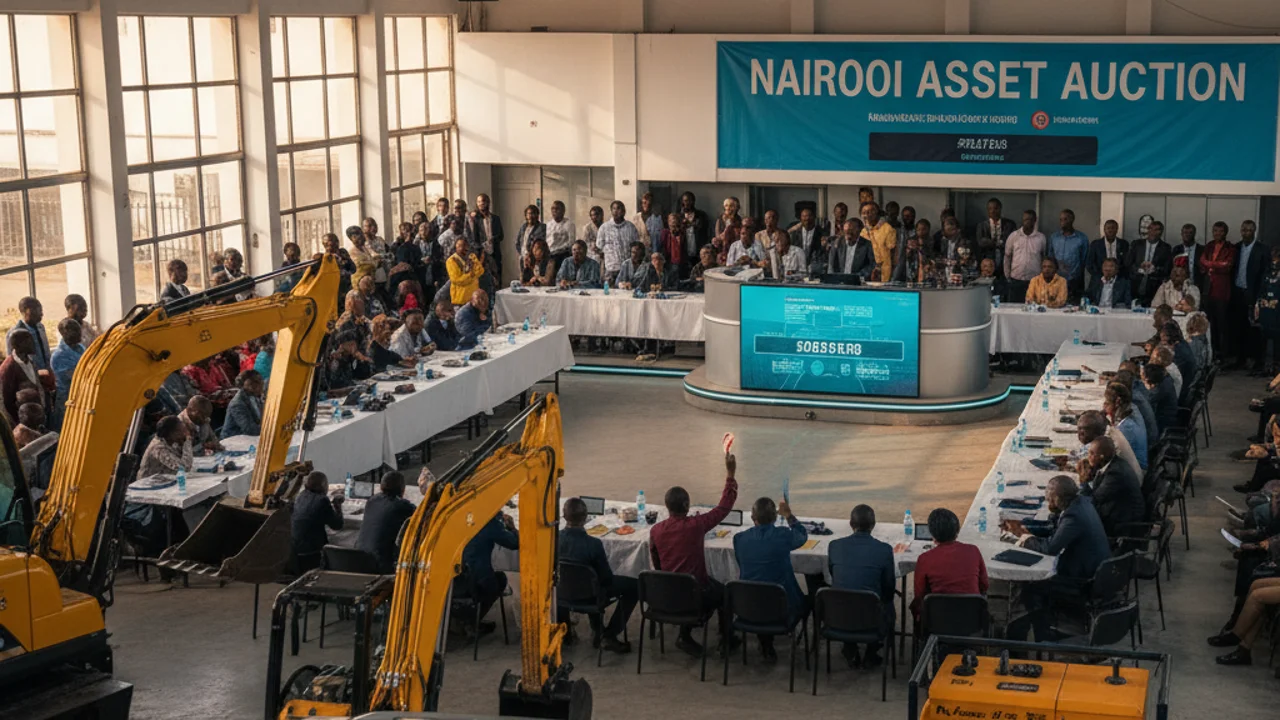
Thousands of potential buyers are constantly searching for goods going auction Kenya-wide, seeking great deals on everything from vehicles to electronics. Public auctions are a dynamic marketplace where assets repossessed by banks, seized by court order, or sold off by companies are made available to the public. Swipe Recoveries Experts Ltd is a key player in this market, regularly conducting public auctions for a variety of goods. Understanding the process, the types of goods available, and how to participate is key to finding value. This guide provides aspiring bidders with the essential information needed to confidently navigate the Kenyan auction scene.
What Types of Goods Are Commonly Auctioned in Kenya?
The range of goods available at Kenyan auctions is vast, catering to diverse needs and budgets. The items typically originate from debt recovery actions, company liquidations, or voluntary sales. At auctions conducted by Swipe Recoveries and other leading firms, you can commonly find:
Motor Vehicles: This is one of the most popular categories. It includes repossessed saloon cars, SUVs, pickups, trucks, and motorcycles from banks, micro-finances, and other lenders. These are often sold to recover outstanding loan balances.
Household Goods and Electronics: Complete household contents are often sold, including sofas, beds, dining sets, refrigerators, washing machines, and televisions. These typically come from debt recovery cases against individuals.
Office Furniture and Equipment: When businesses close down or upgrade, they often auction off desks, chairs, computers, printers, and other office equipment. These auctions are a great source for startups and SMEs.
Land and Buildings: Immovable property, including residential homes, apartments, and commercial plots, are auctioned to recover mortgage defaults. These auctions are governed by the Land Act and require significant due diligence by potential buyers.
Industrial Machinery and Equipment: Specialised auctions may feature heavy machinery, construction equipment, or agricultural tools from liquidated companies or defaulted asset finance loans.
These auctions are regularly advertised in major newspapers like the Daily Nation and The Standard, as required by the Auctioneers Act.

The Auction Process for Buyers: A Step-by-Step Guide
Participating in an auction as a buyer is a straightforward process if you follow the correct steps. Being prepared is crucial to a successful bidding experience.
1. Find Auction Listings: Keep an eye on the classifieds section of Kenyan newspapers. Reputable auctioneers like Swipe Recoveries Experts Ltd list their upcoming auctions there. You can also visit our website or contact our office at International Life Hse, Nairobi, for a schedule.
2. Attend the Viewing Day: This is the most critical step for a buyer. The advertisement will specify a 'viewing day' before the auction. It is your opportunity to physically inspect the goods. All goods at an auction are sold on an “as is, where is” basis, meaning the seller and auctioneer offer no warranties. You must assess the condition of the items yourself.
3. Register to Bid: On the auction day, you will need to register with the auctioneer. This typically involves providing your ID and paying a refundable bidding deposit. The deposit amount varies; for vehicles, it might be between KES 50,000 and KES 100,000. This deposit is refunded immediately if you do not win any items.
4. The Bidding: The auctioneer will announce the lot number and start the bidding. To bid, you catch the auctioneer's attention and state your price or signal an increment. The item is sold to the highest bidder when the auctioneer's hammer falls. If you are the winning bidder, you will be required to pay a percentage of the purchase price immediately (often 25%), with the balance due within a specified period (e.g., 24 hours or 7 days).
Debt Recovery & Auctioneering Coverage in Kenya
Swipe Recoveries Experts Ltd provides commercial recovery, skip tracing, and auctioneering services across Kenya and all 47 counties in Kenya.
Pricing, Payments, and Practical Tips for Bidders
Understanding pricing at an auction is key. The auctioneer will often start the bidding near the reserve price, which is the confidential minimum price the seller is willing to accept. This price is usually based on a professional valuation report assessing the asset's 'forced sale value'. Your goal as a bidder is to acquire the item for a price you are comfortable with, which is hopefully below its normal market value.
If you are the successful bidder, you must adhere to the payment terms strictly. Typically, a 25% deposit is paid immediately upon the fall of the hammer. The balance is usually due within a short timeframe, often 24 hours for movable goods or up to 30-90 days for land. Failure to complete the payment within the stipulated time will result in the forfeiture of your initial deposit, and the item may be re-offered for sale. Payments are made directly to the auctioneer or as directed. It's essential to have your finances in order before you bid. For high-value items like property, this means having pre-approved financing if you aren't a cash buyer.