Understanding Forfeiture Auctions in the Kenyan Market
Forfeiture auctions in Kenya represent a crucial mechanism for the disposal of assets that have been legally seized and forfeited by the state due to criminal activity or regulatory non-compliance. These auctions, overseen by entities such as the Asset Recovery Agency (ARA) and courts, provide an opportunity for the public to acquire a diverse range of properties and goods. Swipe Recoveries Experts Ltd, based at International Life House, Mama Ngina Street, Nairobi, plays a vital role as licensed auctioneers in conducting these sales with utmost transparency, adherence to the Auctioneers Act Cap 526, and ensuring proper legal transfer of ownership. Our commitment is to facilitate fair and efficient sales processes for all parties involved.
Legal Basis & Types of Assets in Forfeiture Auctions
The legal foundation for forfeiture auctions in Kenya primarily stems from the Proceeds of Crime and Anti-Money Laundering Act (POCAMLA), which provides the framework for the forfeiture of assets deemed to be proceeds of crime. Once assets are legally forfeited by court order, the Asset Recovery Agency (ARA) often mandates their disposal through public auction to recover funds for the state. These auctions adhere strictly to the provisions of the Auctioneers Act Cap 526, ensuring all sales are conducted transparently and legally.
A wide array of assets can be found in forfeiture auctions, reflecting the diverse nature of criminal proceeds. This commonly includes real estate (residential houses, commercial properties, undeveloped land), vehicles (cars, trucks, motorcycles), machinery and equipment, electronics, and even luxury goods like jewelry and fine art. The exact types of assets depend on the nature of the underlying criminal activities from which they were derived. Swipe Recoveries Experts Ltd ensures all assets are meticulously cataloged and presented in compliance with legal requirements, providing potential bidders with clear information and the opportunity for due diligence.

The Forfeiture Auction Process: From Proclamation to Sale
The process of conducting forfeiture auctions in Kenya is rigorously defined by law to ensure fairness and transparency. It typically commences with the issuance of a court order for forfeiture and instruction to licensed auctioneers like Swipe Recoveries Experts Ltd. The first public step is the gazettement and public notification of the auction, usually through national newspapers and often on the auctioneers' own platforms, detailing the assets for sale, viewing dates, and auction terms. This proclamation is mandatory under the Auctioneers Act.
Prospective bidders are typically offered specific dates for viewing and inspection of the assets, enabling them to assess condition and value. On auction day, bidders must usually register and provide a refundable bid deposit (e.g., KES 5,000 to KES 100,000 depending on asset value). The auction proceeds under specific terms and conditions, including a defined bidding procedure, often with a reserve price set by the instructing party. Successful bidders are required to complete payment within a specified timeframe, usually 24-48 hours, with the balance typically payable within 7 to 14 days. Upon full payment, the auctioneer facilitates the legal transfer of ownership, providing a memorandum of sale and necessary documentation. Swipe Recoveries Experts Ltd manages this entire process with professionalism, ensuring compliance and smooth transitions.
Debt Recovery & Auctioneering Coverage in Kenya
Swipe Recoveries Experts Ltd provides commercial recovery, skip tracing, and auctioneering services across Kenya and all 47 counties in Kenya.
Participating in Forfeiture Auctions: Costs, Tips & Transparency
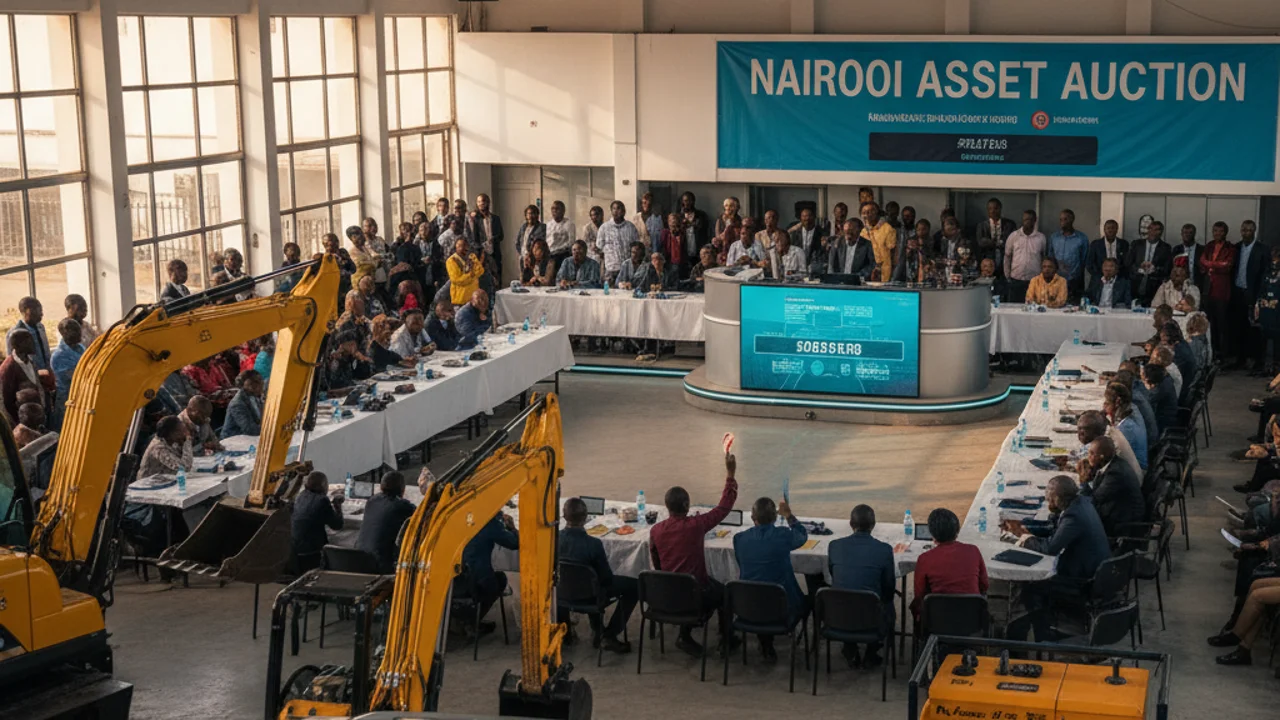
Participating in forfeiture auctions in Kenya involves understanding the associated costs and adhering to best practices. For bidders, the primary cost is the purchase price (hammer price) of the asset. Additionally, buyers are typically responsible for paying the auctioneer's commission, which usually ranges from 2.5% to 5% of the sale price, plus Value Added Tax (VAT) on the commission, payable in KES. Other costs might include transfer fees, legal fees, and any outstanding liabilities (e.g., rates for property, subject to specific auction terms). For example, a vehicle sold for KES 1,000,000 might incur an auctioneer's fee of KES 25,000 to KES 50,000 plus VAT.
To ensure a successful acquisition, potential bidders should conduct thorough due diligence: inspect the assets physically, review any available documentation (e.g., logbooks for vehicles, title deeds for property), and understand the terms and conditions of sale completely. Setting a maximum bid beforehand is advisable to avoid overpaying. Transparency is a cornerstone of our forfeiture auctions; Swipe Recoveries Experts Ltd ensures all auctions are conducted openly, with clear rules and procedures, in accordance with the Auctioneers Act. Our offices at International Life House, Nairobi, are always open for inquiries regarding upcoming sales.