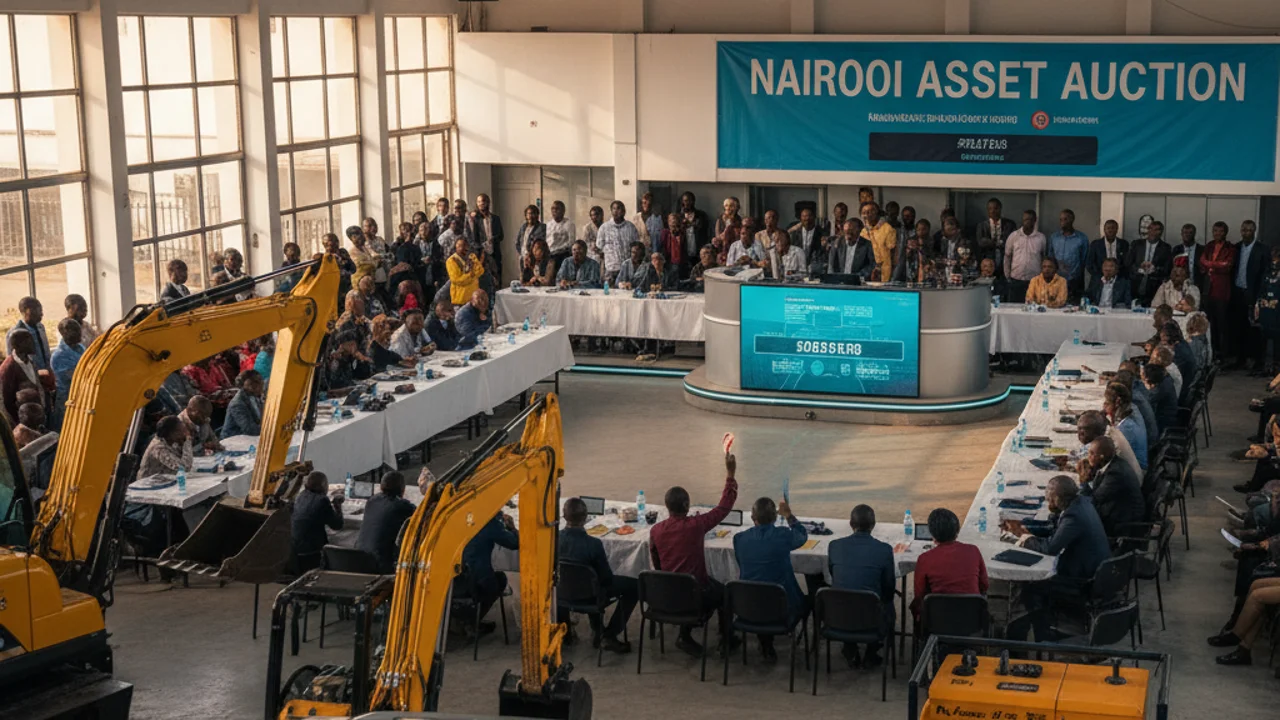
Understanding and Executing the Forced Sale Process
The forced sale process, often a consequence of debt default or legal judgments, requires meticulous execution to ensure legality, compliance, and maximum value realization. In Kenya, this process is governed by several statutes, including the Land Act, 2012, the Civil Procedure Act, and the Auctioneers Act. Swipe Recoveries Experts Ltd, located at International Life House, 8th Floor, Mama Ngina Street, Nairobi, specializes in managing these complex auctions and sales. We guide clients through every stage, from obtaining the necessary court orders to the final transfer of property, ensuring transparency and adherence to all legal requirements. Our expertise minimizes the risks associated with forced sales and aims to achieve the best possible financial outcome for creditors and stakeholders.
Legal Framework and Compliance in Forced Sales

Successfully navigating the forced sale process in Kenya hinges on strict adherence to legal frameworks. The Land Act, 2012, particularly Part VIII, outlines the procedures for the sale of charged land, including mandatory notification periods and public auction requirements. Court orders obtained under the Civil Procedure Rules, such as warrants of attachment and sale, are also critical. The Auctioneers Act and its regulations further govern the licensing and conduct of auctioneers. Swipe Recoveries Experts Ltd works exclusively with licensed and reputable auctioneers who understand these intricate regulations. We ensure all statutory notices are served correctly, valuations are conducted by certified professionals, and the auction is advertised in accordance with the law, for instance, in newspapers of national circulation and official gazettes. Compliance is not just about avoiding legal pitfalls; it's about ensuring the integrity and validity of the sale, thereby protecting our clients from future challenges.
Steps Involved in a Typical Forced Sale Auction
A typical forced sale process managed by Swipe Recoveries Experts Ltd involves several distinct phases to ensure a smooth and compliant auction. Initially, we secure the necessary legal instruments, such as court decrees or statutory notices of sale, often in collaboration with legal counsel. This is followed by obtaining an up-to-date valuation of the property or asset, conducted by a professional valuer registered under the Valuers Act. Subsequently, we arrange for the proper advertisement of the auction, which includes publication in at least two daily newspapers of national circulation and potentially the Kenya Gazette, providing the statutory notice period (e.g., 45 days for charged land). We then coordinate the logistics of the auction itself, ensuring a secure and fair environment for bidders. Post-auction, we manage the sale completion, including payment collection, legal documentation for transfer of ownership, and the distribution of proceeds as per court orders or legal entitlement, adhering to the principles of the Sale of Goods Act.
Maximizing Value and Minimizing Costs in Forced Sales
The primary objective when managing a forced sale process is to achieve the highest possible sale price while minimizing associated costs. Swipe Recoveries Experts Ltd employs strategic marketing and auctioneering techniques to attract a wide pool of potential buyers. This includes detailed property descriptions, high-quality photography, and pre-auction viewing opportunities. Our team rigorously vets potential bidders to ensure serious engagement and ability to meet financial obligations. Costs associated with forced sales in Kenya can include auctioneer fees, advertising expenses, valuation fees, legal costs, and statutory levies, all typically expressed in Kenyan Shillings (KES). Our aim is to manage these costs efficiently; for instance, auctioneer fees are often regulated and might range from 7.5% to 15% of the sale price, depending on the asset type and value. By leveraging our expertise, we strive to recover these costs and maximize the net proceeds for our clients.