Understanding Forced Sales in Mombasa: What Creditors Need to Know
When faced with non-performing loans or judgments, a forced sale in Mombasa can be a critical step in recovering outstanding debts. This complex legal process involves the public auction of a debtor’s property to satisfy financial obligations. Swipe Recoveries Experts Ltd provides unparalleled expertise in navigating the intricacies of forced sales, ensuring compliance with Kenyan law and maximizing recovery for our clients. We offer comprehensive auctioneering and legal support, from initial demand to final sale.
Legal Framework for Forced Sales in Kenya: The Statutory Foundation
The legal basis for a forced sale in Mombasa, and indeed across Kenya, primarily stems from several key statutes. These include the Auctioneers Act Cap 526, which regulates the conduct of auctioneers, and the Civil Procedure Act Cap 21, governing the execution of court decrees. For property-related forced sales, particularly those involving secured loans, the Land Act 2012 and the Land Registration Act 2012 are paramount. These acts outline the rights and obligations of chargees (lenders) and chargors (borrowers), specifying the conditions under which a chargee can exercise its statutory power of sale after a default.
Furthermore, the Insolvency Act 2015 may become relevant in cases of corporate or individual insolvency. Compliance with these frameworks is non-negotiable to ensure the legality and validity of the sale, protecting both the creditor’s interests and preventing challenges by the debtor. Swipe Recoveries Experts Ltd meticulously adheres to all legal requirements, working closely with legal professionals to ensure every step of the forced sale process, from the issuance of demand notices to the final public auction, is executed flawlessly and in accordance with the laws of Kenya.
Step-by-Step Procedure for a Forced Sale in Mombasa
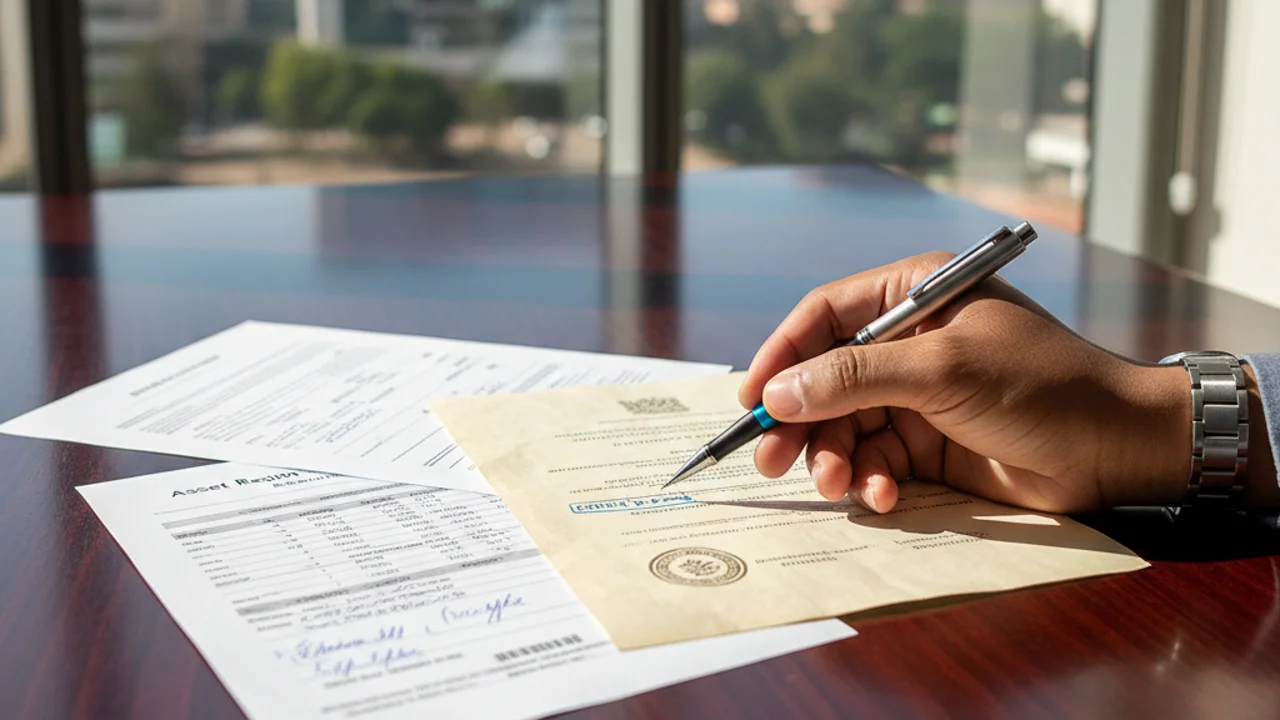
The procedure for initiating and completing a forced sale in Mombasa is structured and requires precise execution. It typically begins with the creditor (chargee) issuing statutory demand notices to the debtor (chargor) as prescribed by Section 90 of the Land Act 2012, allowing a specified period for remedy. Should the default persist, the chargee instructs a licensed auctioneer. The auctioneer then issues a proclamation of attachment and conducts a comprehensive valuation of the property to determine a reasonable reserve price and forced sale value, which must be certified by a registered valuer.
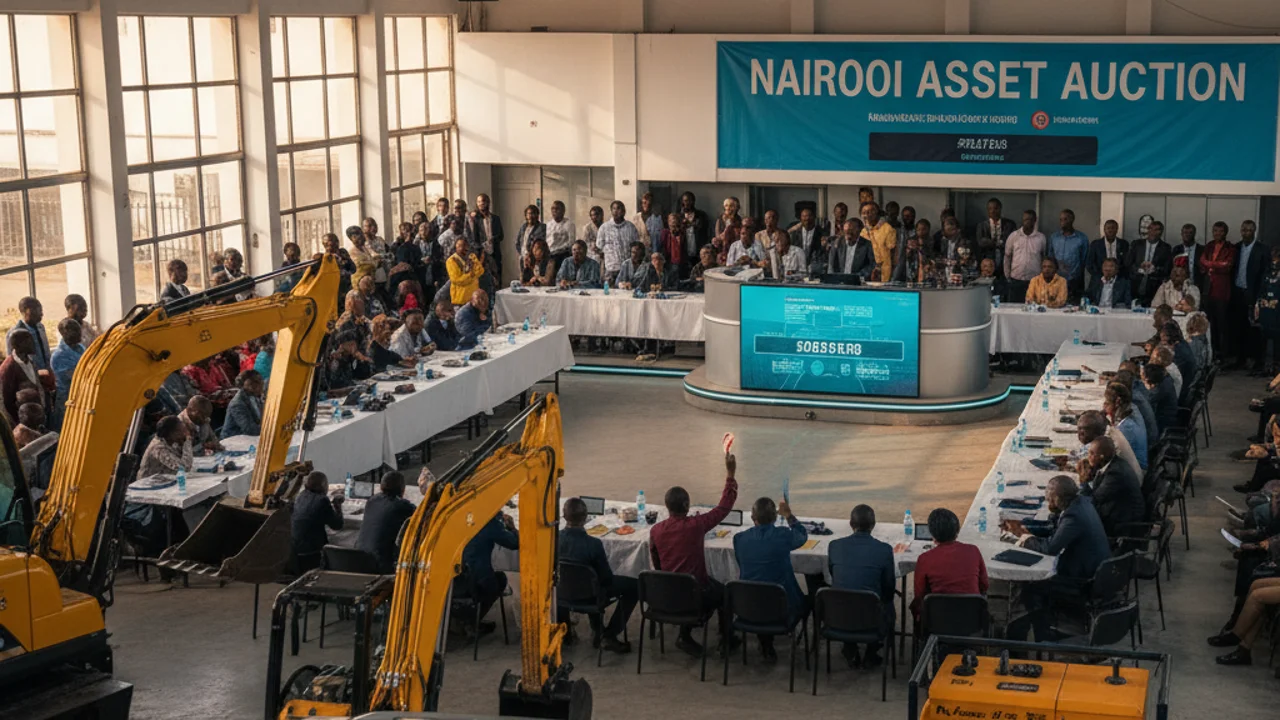
Public advertisement through gazette notices and local newspapers is mandatory, typically for 30 days, announcing the date and location of the public auction. The auction itself is held at a designated place, often near the Mombasa Law Courts or a prominent public venue in areas like Nyali or Kizingo. Post-auction, if the property is sold, the auctioneer facilitates the transfer of title to the successful bidder. The proceeds are then applied to the outstanding debt, and any surplus is returned to the debtor. Swipe Recoveries ensures all documentation, including the warrant of attachment and conditions of sale, are meticulously prepared and executed to ensure regulatory compliance.
Debt Recovery & Auctioneering Coverage in Mombasa, Kenya
Swipe Recoveries Experts Ltd provides commercial recovery, skip tracing, and auctioneering services across Mombasa, Kenya and all 47 counties in Kenya.
Costs and Fees Associated with Forced Sales in Mombasa

Understanding the financial implications is crucial when considering a forced sale in Mombasa. The primary costs include auctioneer's commission, valuation fees, legal fees, and advertising expenses. According to the Auctioneers Act Cap 526, auctioneer's fees are typically a percentage of the sale price, often capped at 2.5% to 5% for properties, or a lower fixed scale for motor vehicles, plus Value Added Tax (VAT). For example, on a property selling for KES 10,000,000, the commission could be KES 250,000 to KES 500,000.
Valuation reports, essential for setting the reserve price, can range from KES 15,000 to KES 50,000+, depending on the property's complexity and location. Legal fees for demand notices, court applications, and conveyancing services can vary significantly, usually based on the lawyer's scale of fees or agreement, often starting from KES 30,000 for initial legal work. Advertising in the Kenya Gazette and local newspapers typically costs between KES 5,000 and KES 20,000 per publication. Swipe Recoveries provides clear, transparent cost estimates, ensuring our clients in Mombasa understand all potential expenditures involved in the forced sale process.