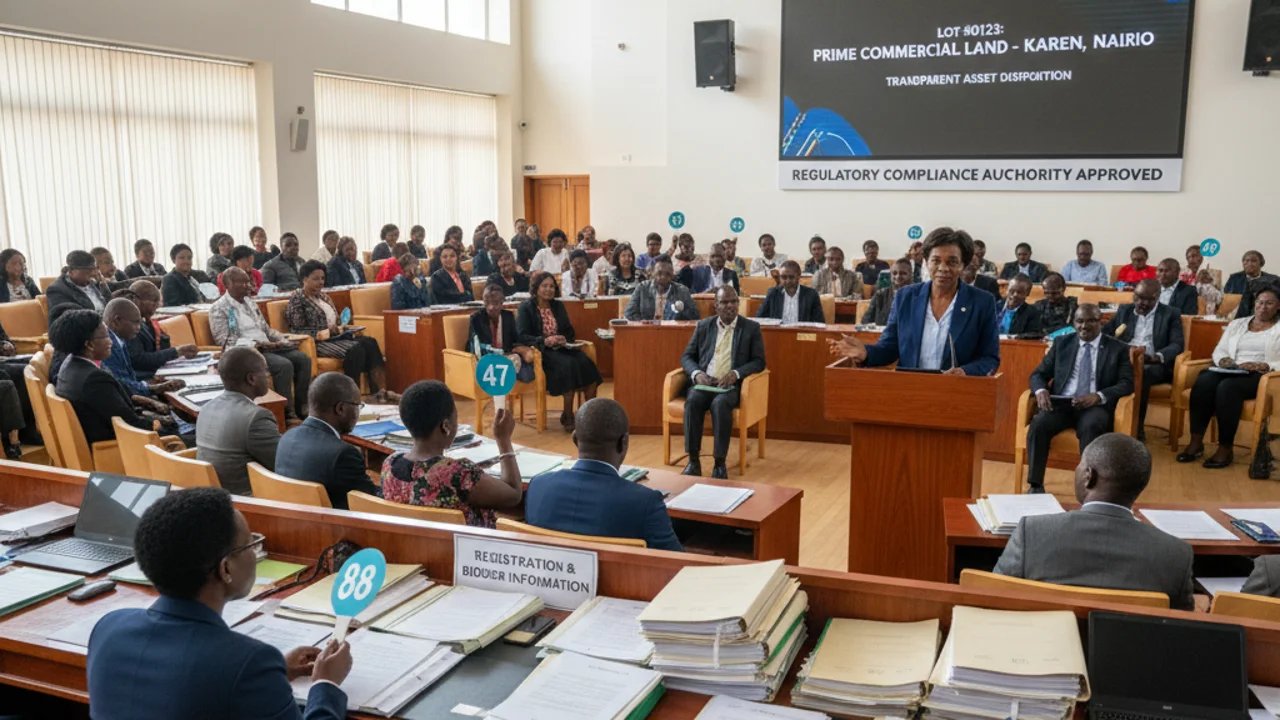
Understanding Forced Property Sales in the Kenyan Context
Forced property sales Kenya refer to the compulsory disposition of land or buildings, typically initiated by a creditor to recover outstanding debts. This often occurs when a debtor defaults on a secured loan, such as a mortgage, and the chargee (lender) exercises its statutory power of sale. Understanding the nuances of these sales is critical for both creditors seeking recovery and potential purchasers seeking opportunities. Swipe Recoveries Experts Ltd specializes in navigating the complex legal landscape surrounding these transactions, ensuring compliance with Kenyan land laws and auction procedures. Our expertise provides clarity and strategic guidance throughout the entire process, mitigating risks and maximizing outcomes for our clients within the strict confines of the law.
Legal Basis & Statutory Requirements for Forced Sales
The legal foundation for forced property sales Kenya is primarily enshrined in the Land Act, 2012 (No. 6 of 2012) and the Land Registration Act, 2012 (No. 3 of 2012). These Acts meticulously outline the procedures and conditions under which a chargee (lender) can exercise its statutory power of sale over a charged property. Before initiating a forced sale, the chargee must serve several critical notices. This includes a 3-month statutory notice under Section 90(1) of the Land Act, warning of the intention to sell if the default is not rectified. Subsequently, a 40-day notice under Section 96(2) of the Land Act, specifically informing the chargor (borrower) of the impending sale, must also be issued. Failure to adhere to these strict notification periods can render the sale null and void.
The Auctioneers Act (Cap 526) further governs the conduct of the auction itself, requiring licensed auctioneers to execute the sale and dictating advertising requirements. A professional valuation report, establishing both market value and forced sale value, is mandatory before the sale. This ensures the property is not sold at an undervalue, a common ground for challenging forced sales in the High Court of Kenya. Swipe Recoveries Experts Ltd ensures meticulous adherence to these statutory requirements, working with certified valuers and licensed auctioneers to conduct legally sound and transparent forced property sales, protecting the chargee's interests while respecting the chargor's rights.

The Forced Property Sale Procedure: From Default to Auction
The process of forced property sales Kenya is a multi-stage procedure, typically triggered by prolonged default on a secured loan. Once the statutory notices under the Land Act, 2012 have been served and expired without the default being remedied, the chargee instructs a licensed auctioneer to proceed with the sale. The auctioneer's first step is to commission a valuation report from a registered valuer to determine the reserve price. This report often details the forced sale value (FSV), which is typically lower than the market value, reflecting the urgent nature of the sale.
Following the valuation, the auctioneer places advertisements in local newspapers of wide circulation, typically 14 days before the auction date, announcing the sale of the property. This notice includes details of the property, the location, and the date/time of the auction. On the day of the auction, potential bidders are required to pay a non-refundable deposit (usually 25% of the purchase price) to participate. The highest bidder, upon meeting the reserve price, is declared the purchaser. The balance of the purchase price is typically due within 90 days. Our role at Swipe Recoveries Experts Ltd is to manage this entire process, from ensuring all legal notices are correctly issued to coordinating with auctioneers and legal teams, facilitating a smooth, compliant, and efficient sale on behalf of our clients, which often includes financial institutions and corporate lenders.
Debt Recovery & Auctioneering Coverage in Kenya
Swipe Recoveries Experts Ltd provides commercial recovery, skip tracing, and auctioneering services across Kenya and all 47 counties in Kenya.
Costs, Challenges & Purchaser Guidance for Forced Sales

Participating in forced property sales Kenya involves understanding both potential costs and challenges. For the chargee, key costs include legal fees for issuing statutory notices and court processes (which can range from KES 50,000 to KES 200,000+ depending on complexity), valuation fees (typically 0.5% - 1.5% of property value), and auctioneer's commissions (regulated, generally 2.5% to 5% for properties). Advertising costs for auction notices can also range from KES 10,000 to KES 50,000. These costs are often recoverable from the sale proceeds. For purchasers, immediate costs include a 25% deposit at the auction, followed by the balance within 90 days, stamp duty (typically 4% for urban property), and legal fees for conveyancing.
A common challenge for purchasers is due diligence; while properties are often sold 'as-is,' it’s vital to conduct thorough searches of the title deed at the Ministry of Lands and Physical Planning. For chargees, ensuring the sale is not challenged on grounds of undervaluation or procedural irregularities is paramount. Swipe Recoveries Experts Ltd advises clients on best practices to avoid these pitfalls, emphasizing stringent adherence to the Land Act 2012 and securing expert legal counsel. We provide comprehensive guidance, ensuring that both creditors achieve maximum recovery and purchasers acquire properties through a transparent and legally sound process.