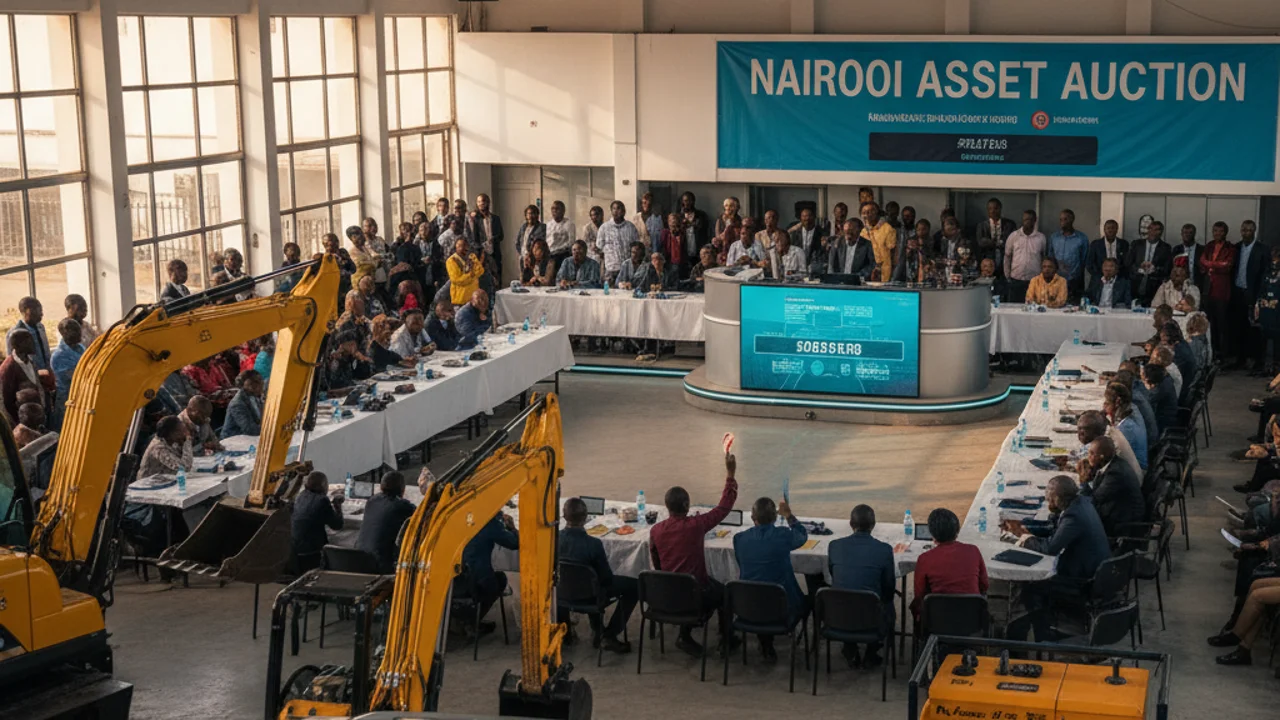
Navigating the Process of Distress Goods in Kenya
Understanding distress goods Kenya involves comprehending the legal mechanisms by which a creditor can seize a debtor's property to satisfy an outstanding debt. This process, often initiated through a court order or by a licensed auctioneer acting under specific statutory powers, is designed to recover owed funds when a debtor defaults. In Kenya, the concept of distress for rent is particularly common, but it also applies to other types of debts under various legal statutes. Swipe Recoveries Experts Ltd possesses extensive expertise in managing the seizure and auction of distress goods Kenya, ensuring compliance with all relevant legislation and upholding fairness for all parties involved.
Legal Basis and Procedures for Seizing Distress Goods
The right to seize distress goods Kenya is rooted in Kenyan law, primarily through statutes like the Distress for Rent Act (Cap 291), which specifically addresses landlords' rights. This Act empowers landlords to seize a tenant's movable property found on the rented premises to recover unpaid rent. However, the scope can extend to other debt recovery scenarios, often requiring court intervention or specific contractual agreements. The procedure generally involves obtaining a warrant of distress or authorization from a competent court or, in cases of rent arrears, direct action by a licensed auctioneer. It's crucial that the goods seized are indeed the property of the debtor and are located within the jurisdiction. The Auctioneers Act (Cap 526) and regulations set by the Institution of Auctioneers Kenya govern the conduct of auctioneers in executing these seizures, emphasizing professionalism and adherence to legal protocols.
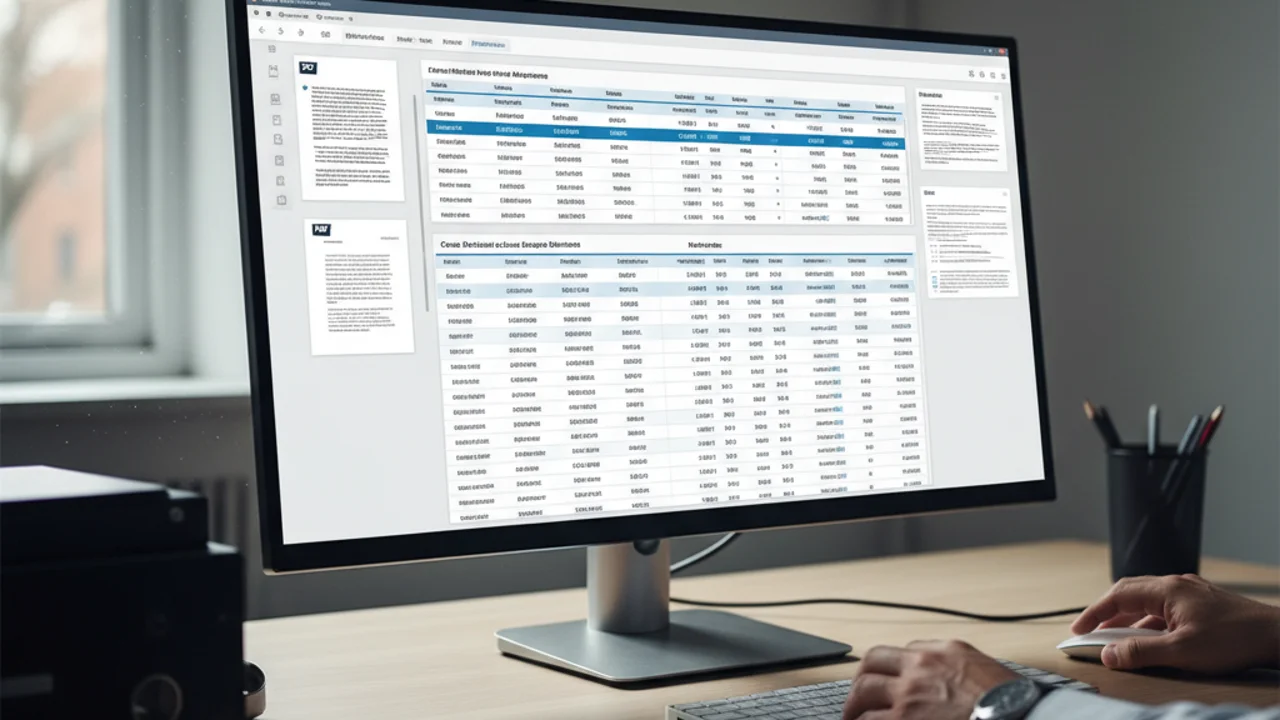
The Auctioning of Distress Goods: Rights and Obligations
Once distress goods Kenya have been legally seized, the next step is often their auctioning to recover the debt. The Auctioneers Act mandates that such goods must be sold by public auction. This process requires proper advertisement in recognized publications, such as the Kenya Gazette and local newspapers, to ensure transparency and attract potential buyers. The proceeds from the sale are then applied towards settling the outstanding debt, including any costs incurred during the distress and auction process (e.g., auctioneer's fees, storage, transportation). While the creditor has a right to recover their debt, debtors also have rights, including the right to challenge the distress if it's deemed unlawful or if the amount claimed is disputed. Engaging experienced professionals like Swipe Recoveries Experts Ltd ensures that this phase is conducted legally, efficiently, and ethically, maximizing the return while respecting all legal obligations.
Debt Recovery & Auctioneering Coverage in Kenya
Swipe Recoveries Experts Ltd provides commercial recovery, skip tracing, and auctioneering services across Kenya and all 47 counties in Kenya.
Types of Distress Goods and Considerations for Creditors

The range of distress goods Kenya that can be seized and auctioned can be diverse, often including household items, furniture, stock-in-trade, vehicles, or machinery. However, certain items may be exempt from distress, such as essential tools of trade or basic necessities, depending on the specific legal context and court rulings. Creditors must exercise due diligence to ensure they are only seizing goods that are legally permissible. For businesses, understanding the implications of seizing stock-in-trade or essential equipment requires careful consideration of the impact on the debtor's ability to generate income, which could affect future debt repayment prospects. Swipe Recoveries Experts Ltd offers comprehensive debt recovery strategies, including advising on the most effective and legally sound approaches to distress and auctioning, minimizing risks and maximizing recovery outcomes.