Understanding Customs Seized Goods Auctions
Acquiring customs seized goods through official auctions in Kenya presents a unique opportunity for individuals and businesses to purchase various items at potentially lower prices. These goods, ranging from motor vehicles to electronics and apparel, are typically seized by the Kenya Revenue Authority (KRA) Customs and Border Control Department due to violations of import regulations, non-payment of duties, or being contraband. Located at International Life Hse, 8th Floor, Mama Ngina Street, Nairobi, Swipe Recoveries Experts Ltd provides specialized insights and assistance, ensuring our clients can confidently participate in these KRA-regulated auctions, navigating the complexities of customs law and asset acquisition.
Understanding KRA's Seizure & Forfeiture Process
The process leading to the auction of customs seized goods in Kenya is governed primarily by the East African Community Customs Management Act (EACCMA). KRA's Customs and Border Control Department has the authority to seize goods that are imported without proper documentation, declared inaccurately (e.g., undervaluation), are prohibited, or for which duties and taxes remain unpaid. Once seized, goods are typically held at designated facilities like the Port of Mombasa, Container Freight Stations (CFSs), or the Nairobi Inland Container Depot (ICD). If the owner fails to pay duties, penalties, and storage charges, or if the goods are contraband, they are declared forfeited to the state. This forfeiture is often gazetted in the Kenya Gazette. Before an auction, KRA issues a notice requiring owners to clear their goods within a specific timeframe, usually 30 days. Failure to comply leads to inclusion in the public auction list. Swipe Recoveries Experts Ltd assists businesses in understanding these statutory provisions, helping them determine the legality and authenticity of goods before consideration for bidding.

Navigating the Auction Process for Customs Seized Goods
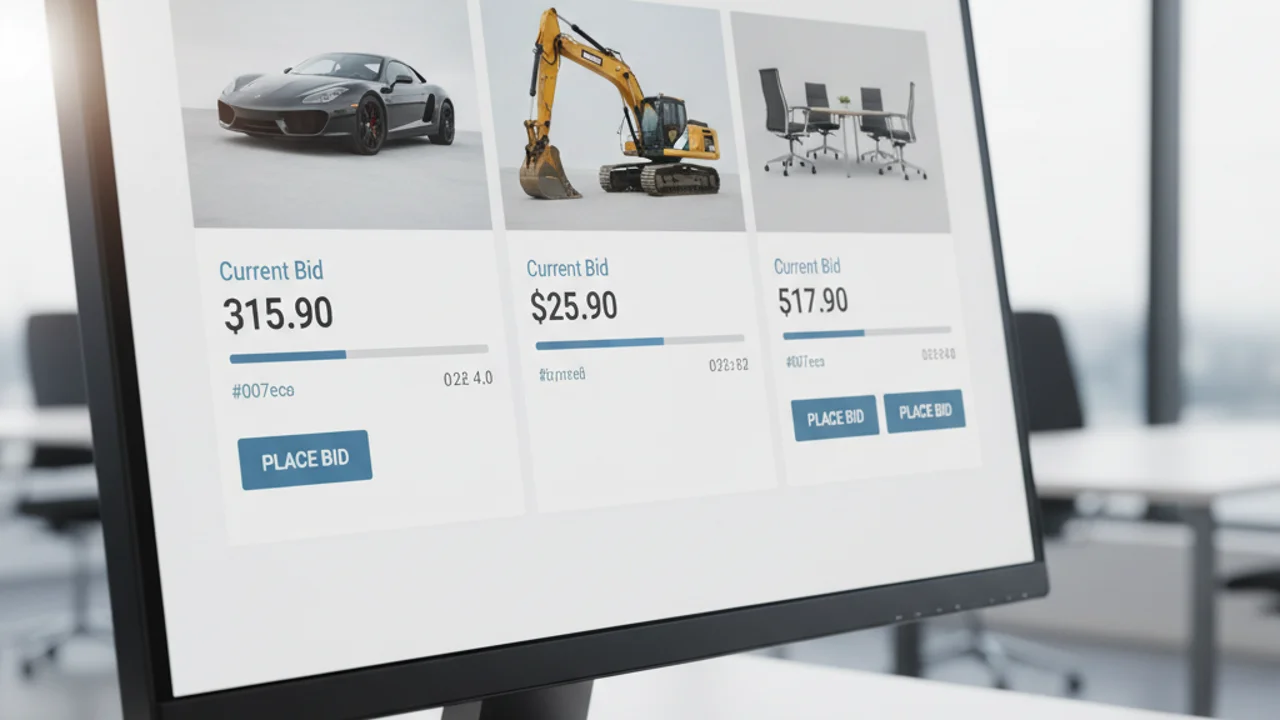
Participating in an auction for customs seized goods requires careful attention to the specific procedures set forth by KRA. Public notices for these auctions are issued through the Kenya Gazette Notice and local newspapers, providing details on the items, viewing dates, and auction location (e.g., Port of Mombasa, ICD Embakasi). Prospective bidders must diligently inspect the goods during the specified viewing periods, as items are sold 'as-is, where-is.' It's crucial to verify the condition and ascertain any potential hidden costs. On auction day, bidders must register and often pay a refundable deposit, usually a fixed amount in KES (e.g., KES 20,000 to KES 100,000 depending on the auction's scale). Bidding then proceeds, with the highest bidder securing the item. Successful bidders are generally required to pay the full amount (bid price plus applicable duties and charges) within a very short timeframe, often 24-48 hours. Failure to comply results in forfeiture of the deposit and resale of the item. Obtaining a customs release order (Release Order) from KRA is the final step before collection, confirming all duties and charges have been settled.
Financial Implications and Expert Guidance on Customs Seized Goods Auctions

The total cost of acquiring customs seized goods extends beyond the winning bid. Buyers must be prepared to pay not only the bid price but also any outstanding Customs Duties, Value Added Tax (VAT), Excise Duty, and other levies that were not settled by the original importer. These duties can significantly increase the final cost and require careful calculation before bidding. Additionally, storage charges incurred by KRA or CFSs until the auction date, plus the auctioneer's commission (typically between 2.5% and 10% of the hammer price depending on item value and regulations), must be factored in. For example, a vehicle won for KES 500,000 might attract KES 100,000 in duties and KES 25,000 in auctioneer fees, bringing the total to KES 625,000. Swipe Recoveries Experts Ltd provides invaluable assistance in conducting thorough due diligence, including verifying outstanding duties and providing accurate cost estimates, mitigating financial risks. Our asset search and recovery expertise can also support clients should any disputes arise post-purchase, offering comprehensive support from our Nairobi offices.