Navigating Co-op Bank Vehicle Auctions in Kenya
Acquiring repossessed Co-op Bank vehicles through public auction can be a lucrative opportunity for buyers and investors in Kenya. However, this process demands a thorough understanding of the legal frameworks, procedural steps, and potential pitfalls. Swipe Recoveries Experts Ltd specializes in providing comprehensive guidance, due diligence, and representation to ensure a transparent and compliant acquisition, helping you navigate the complexities from initial search to final ownership transfer. We streamline your experience, ensuring results that matter.
Understanding the Legal Framework for Vehicle Repossession & Auction
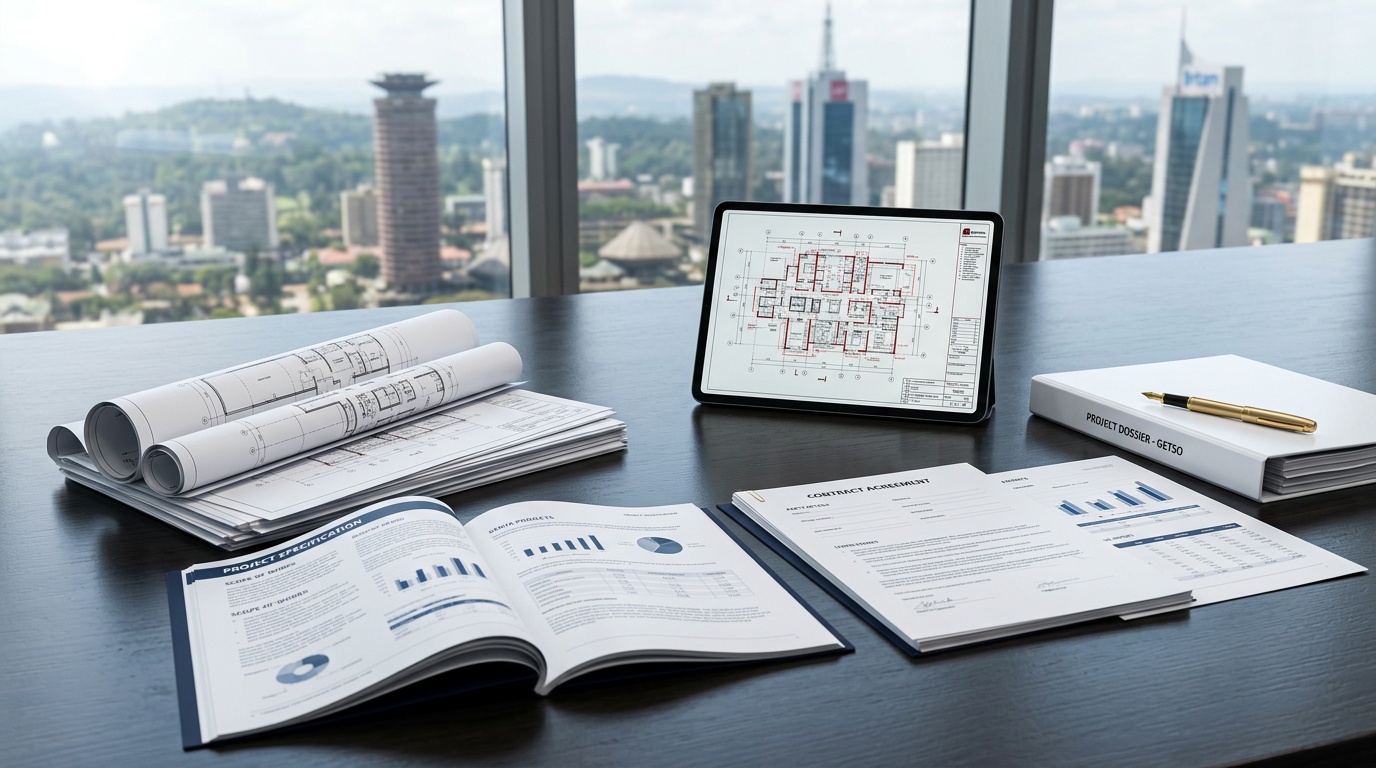
The process of auctioning Co-op Bank vehicles is strictly governed by Kenyan law, primarily the Auctioneers Act (Cap 526) and the Civil Procedure Act. When a borrower defaults on a loan secured by a motor vehicle, Co-operative Bank of Kenya, as the chargee, can exercise its power of sale. This process commences after issuing statutory notices to the defaulting party, as mandated by law. Key regulatory bodies involved include the National Transport and Safety Authority (NTSA) for ownership transfers and the Kenya Revenue Authority (KRA) for taxation compliance. A licensed auctioneer, registered under the Auctioneers Board of Kenya, is legally appointed to manage the repossession, valuation, and public auction. Due diligence for buyers involves verifying the vehicle's history, logbook details through NTSA's eCitizen platform, and confirming any outstanding encumbrances before the auction date. Swipe Recoveries Experts Ltd ensures all these legal prerequisites are met, safeguarding both the bank's interest and potential buyers.

Step-by-Step Procedure for Participating in Co-op Bank Vehicle Auctions
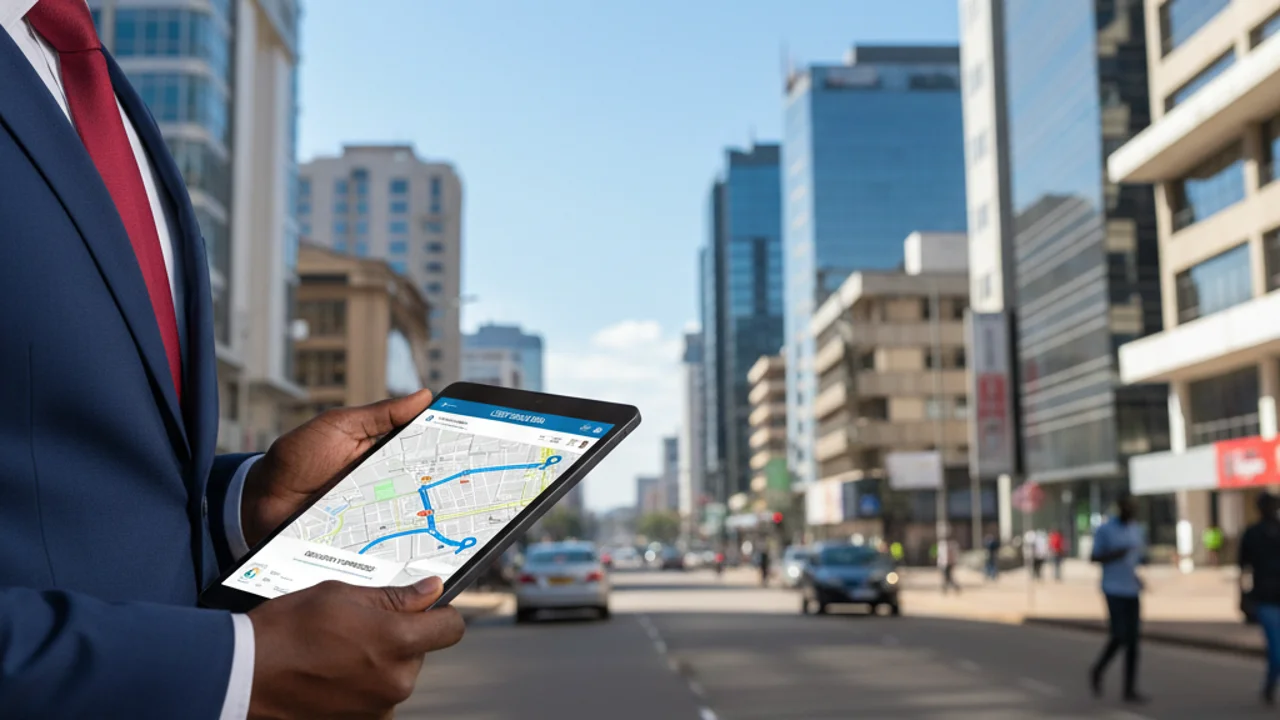
Participating in auctions for Co-op Bank vehicles involves several critical stages, starting from public notification. Repossessed vehicles are typically advertised in national newspapers and the Kenya Gazette, providing details such as make, model, registration number, and viewing location (often a secure yard in Nairobi CBD, near International Life Hse). Prospective buyers are encouraged to view the vehicles physically and conduct their own assessments. On the auction day, bidders must register and place a mandatory deposit, usually a percentage of the bid price. The highest bidder, upon successful bid, is required to pay a certain percentage of the bid (e.g., 25%) immediately and the balance within a stipulated period, typically 14 days. Failure to meet these payment terms can result in forfeiture of the deposit and resale of the vehicle. Our experts at Swipe Recoveries guide clients through every stage, from identifying potential vehicles to successful bidding and post-auction processing.
Costs, Fees, and Practical Tips for Acquiring Co-op Bank Vehicles

Acquiring Co-op Bank vehicles through auction involves various costs beyond the hammer price. The primary fee is the auctioneer's commission, which is statutory and often 2% on the first KES 100,000 and 1% on the residue of the sale price. Other potential costs include valuation fees, storage charges (if applicable), and most significantly, transfer fees to NTSA for logbook registration, which vary based on the vehicle's value. Buyers should also factor in potential repairs or outstanding road permits/insurance. Practical tips for buyers include setting a maximum budget, thoroughly inspecting vehicles, bringing a mechanic for evaluation, and understanding the 'as is, where is' nature of auction sales. Swipe Recoveries Experts Ltd provides transparent cost breakdowns and advice, ensuring you are fully prepared for your investment. We are located at International Life Hse, 8th Floor, Mama Ngina Street, Nairobi, ready to assist.