Navigating Your Vehicle Purchase in the Kenyan Market
The market for car sale in Kenya is vibrant and diverse, offering options for every budget and need. Whether you're a first-time buyer or looking to upgrade, understanding the different sales channels is key to a successful purchase. From bustling dealerships and online marketplaces to direct owner sales, the choices can be overwhelming. However, two of the most effective methods for securing value are auctions and private treaty sales, both of which are specialties of Swipe Recoveries Experts Ltd. As licensed auctioneers and recovery experts, we provide a structured and transparent platform for buying quality pre-owned vehicles, ensuring peace of mind for buyers across Kenya.
Methods of Car Sale in Kenya: Auctions vs. Private Treaty
When considering a car sale in Kenya, buyers primarily encounter three main avenues: dealerships, private treaty sales, and auctions. Dealerships offer convenience and sometimes warranties but often at a premium price. The most common methods facilitated by firms like ours are private treaty and auctions.
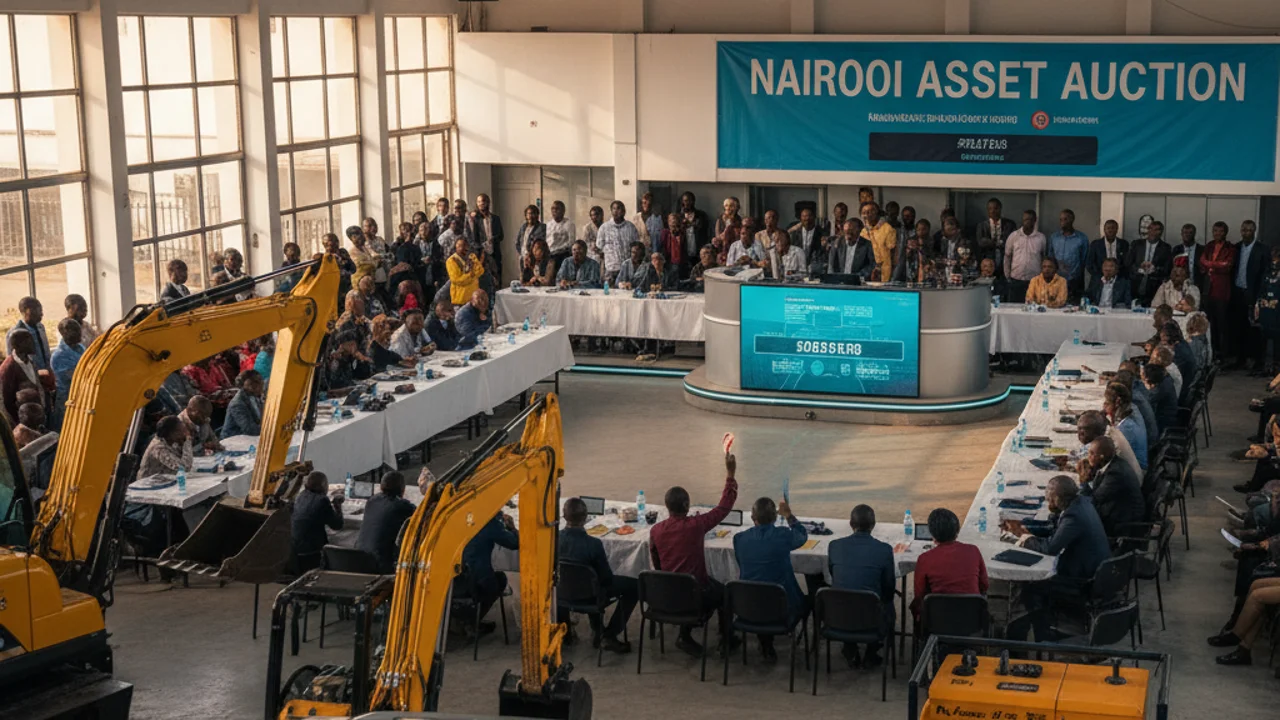
A Private Treaty Sale is a negotiated sale between a seller and a buyer, often facilitated by an agent like Swipe Recoveries. We act as a trusted intermediary, holding vehicles on behalf of sellers (including banks or individuals) and negotiating with potential buyers to reach a fair price. This method is less pressured than an auction and allows for more direct discussion. In contrast, an Auction is a public sale where vehicles are sold to the highest bidder. This is a fast-paced, transparent process governed by the Auctioneers Act, often featuring repossessed vehicles that can be purchased at a significant discount. Swipe Recoveries excels in conducting these public auctions, ensuring they are compliant with all regulations set by the Auctioneers Licensing Board.

The Buying Process & Critical Documentation (NTSA TIMS)
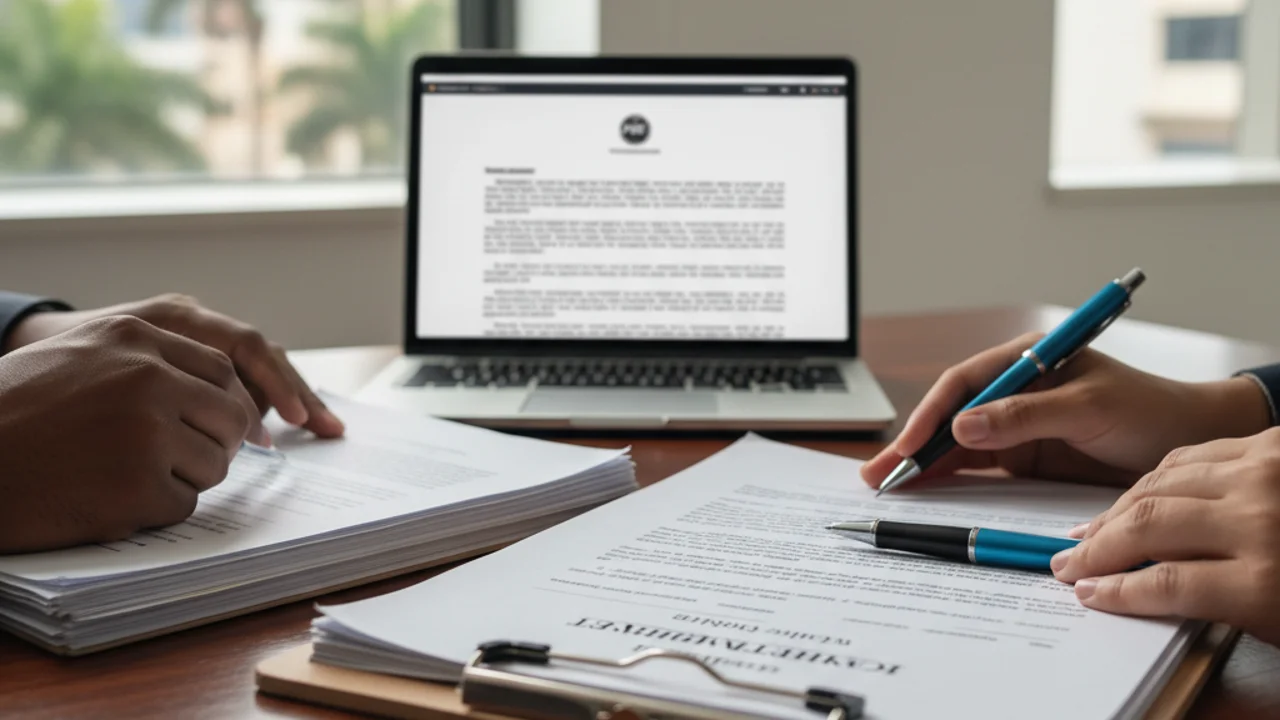
Regardless of the method, the process for a car sale in Kenya requires careful due diligence. The first step is always a thorough vehicle inspection. Never purchase a car without seeing it in person and, ideally, having it checked by a qualified mechanic. Once you agree on a price, a formal Sale Agreement should be drafted. This legal document outlines the terms of the sale, vehicle details, price, and signatures of both buyer and seller. It protects both parties.
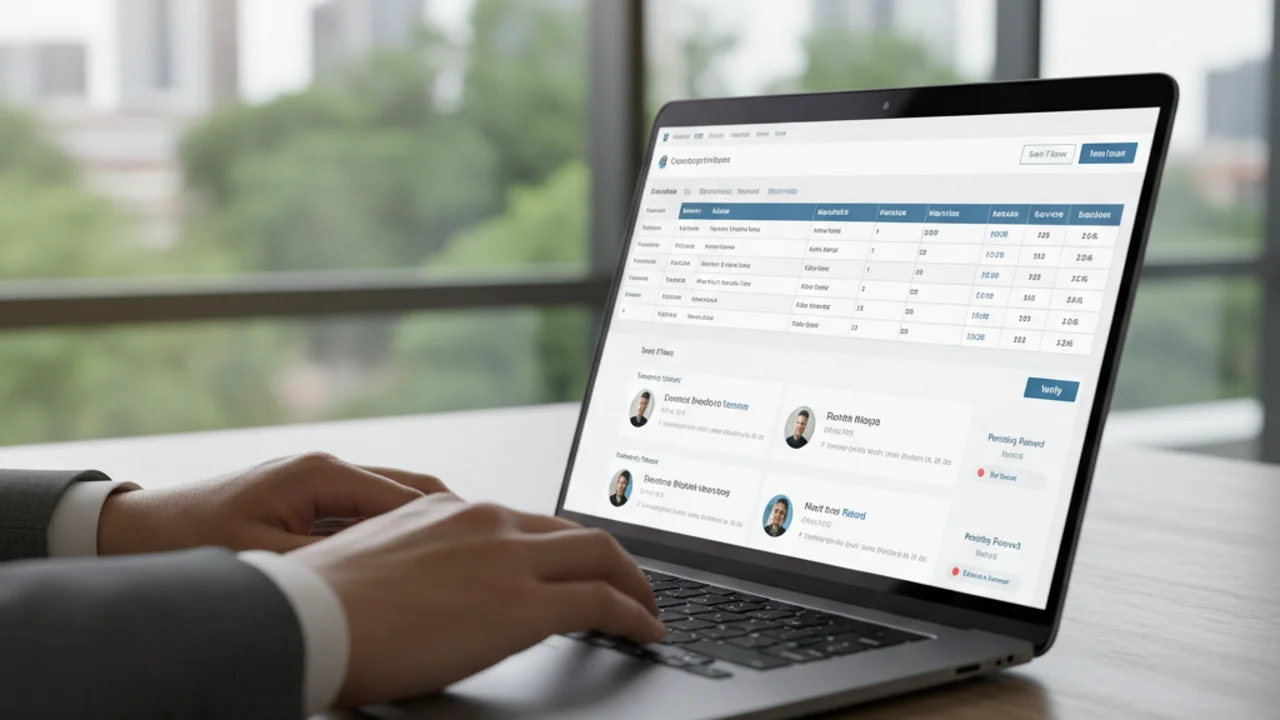
Payment should be made securely, preferably through a bank transfer or banker's cheque. After payment, the most critical step is the transfer of ownership. In Kenya, this is done exclusively through the NTSA TIMS (Transport Integrated Management System) online portal. Both the seller and the buyer must have active TIMS accounts. The seller initiates the transfer online, and the buyer accepts it. The buyer then pays the required transfer fees via the portal. This process generates a new logbook in the buyer's name. It's crucial to ensure the seller has the original logbook and there are no outstanding loans (chattels) against the vehicle, which can be verified through a search.
Debt Recovery & Auctioneering Coverage in Kenya
Swipe Recoveries Experts Ltd provides commercial recovery, skip tracing, and auctioneering services across Kenya and all 47 counties in Kenya.
Understanding the Full Cost of Buying a Car in Kenya (KES)
The sticker price is just the beginning. A smart buyer budgets for all associated costs of a car sale in Kenya. The primary cost is, of course, the purchase price of the vehicle. Following that, you must pay the NTSA logbook transfer fee, which varies by the car's engine capacity. For example, a car up to 1000cc has a transfer fee of around KES 1,695, while a car over 3000cc can cost over KES 7,000.
Next is insurance, which is mandatory. You can choose between basic Third-Party Only insurance or Comprehensive cover, which is more expensive but highly recommended for its extensive protection. Insurance premiums are a percentage of the car's value, typically ranging from 3.5% to 7%. So, for a car valued at KES 1,000,000, comprehensive insurance could cost between KES 35,000 and KES 70,000 annually. You should also budget for an initial service, potential minor repairs, and a professional pre-purchase inspection fee, which could be between KES 3,000 and KES 10,000.