Finding Value in Bank & Financier Repossessed Vehicles
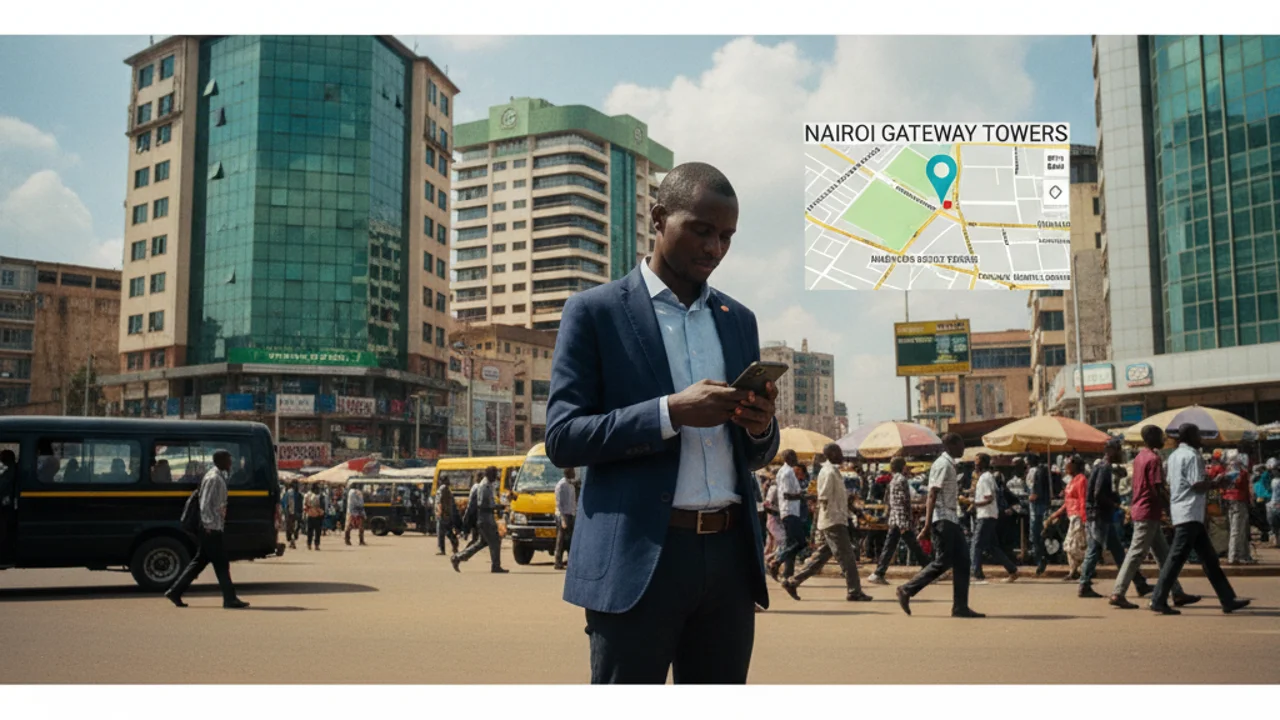
Our guide to car repossession auctions in Nairobi provides insight into a unique opportunity to purchase vehicles at potentially below-market prices. These auctions feature cars, trucks, and other assets repossessed by banks, microfinances, and SACCOs from defaulting loanees. While the prospect of a great deal is high, it's crucial for buyers to understand the process, legalities, and risks involved. A professional auctioneer, licensed by the Auctioneers Licensing Board, conducts these sales to recover the outstanding debt on behalf of the lender. Swipe Recoveries Experts Ltd is a leading, licensed auctioneering firm in Kenya, facilitating transparent and competitive car repossession auctions from our base in Nairobi and providing a trusted platform for both sellers and buyers.
The Legal Framework: The Auctioneers Act & Your Protection
Car repossession auctions in Kenya are not an unregulated free-for-all. The entire process is governed by the Auctioneers Act (Cap 526) and the accompanying Auctioneers Rules. This legislation is designed to protect all parties—the lender (our client), the defaulting borrower (the debtor), and you, the potential buyer. Before a vehicle can be put up for auction, the lender must follow a strict legal procedure, which includes issuing statutory notices to the borrower. A key document is the 'Notification of Sale', which must be advertised in a newspaper with nationwide circulation, informing the public of the impending auction.
These rules ensure transparency. For instance, the auctioneer must be licensed by the Auctioneers Licensing Board of Kenya. The auction must be held on the date and at the location advertised. All sales are conducted on an "as is, where is" basis, meaning the buyer accepts the vehicle in its current condition. Understanding this framework, managed by professional firms like Swipe Recoveries, gives buyers confidence that the sale is legitimate and the transfer of ownership will be legally sound upon completion of payment.

The Auction Process: A Step-by-Step Guide for Buyers
Participating in our car repossession auctions is a straightforward process. First, keep an eye on our website and newspaper advertisements for upcoming auction announcements. We provide a catalogue of the vehicles to be auctioned, including makes, models, and registration numbers. The next critical step is the viewing day. We strongly encourage all potential bidders to physically inspect the vehicles. It is highly recommended to bring a trusted mechanic to assess the car's condition, as vehicles are sold "as is, where is".
To participate in the auction, you must register. This involves providing a copy of your National ID/Passport and KRA PIN, and paying a refundable bidding deposit. The deposit amount (e.g., KES 50,000 or KES 100,000) is specified in the auction notice. On auction day, the auctioneer will present each vehicle, and registered participants can place bids. The highest bidder wins the vehicle. The successful bidder is typically required to pay a percentage of the purchase price (e.g., 25%) immediately, with the balance due within a specified period (often 7 to 14 days). Once the full payment is made, we facilitate the release of the vehicle and the necessary documents for logbook transfer via the NTSA TIMS portal.
Costs Beyond the Hammer Price: What to Budget For

When budgeting for a car from a repossession auction, it's vital to account for costs beyond the final 'hammer price'. The winning bid is not the total amount you will pay. First, you will need to pay the auctioneer's commission, which is a percentage of the sale price as stipulated in the Auctioneers Rules. Additionally, Value Added Tax (VAT) is applicable on the commission and other charges. These fees are payable to the auctioneer.
After settling the full amount, you will be responsible for the logbook transfer fees, which are paid to the National Transport and Safety Authority (NTSA) and vary based on the vehicle's engine capacity. You will also need to secure vehicle insurance before you can legally drive the car. For example, if you win a car with a hammer price of KES 900,000, you might expect to pay an additional KES 90,000 - KES 150,000 in commissions, VAT, and transfer fees. Always clarify these additional costs before bidding.