Unlocking Property Value: How to Buy Repossessed Houses in Kenya
Learning how to buy repossessed houses presents a unique opportunity to acquire property at competitive prices within the Kenyan real estate market. Swipe Recoveries Experts Ltd, located at International Life House, Mama Ngina Street, Nairobi, specializes in facilitating these transactions, guiding prospective buyers through the entire process. These properties, typically auctioned by financial institutions to recover outstanding loan amounts, often represent significant value. Our expertise ensures you navigate the legal intricacies and practical steps involved, making informed decisions to secure your desired home or investment property with confidence. We are committed to delivering "Results That Matter" by simplifying complex property acquisitions.
The Legal Framework for Repossessed Property Acquisition
When you seek to understand how to buy repossessed houses in Kenya, it's paramount to grasp the robust legal framework governing these transactions. The primary legislation includes the Land Act (No. 6 of 2012), which outlines the rights and obligations of chargees (lenders) concerning the "power of sale" due to loan defaults. The Auctioneers Act (Cap 526) and its accompanying Rules dictate the public auction process, requiring licensed auctioneers, public advertisements (including gazette notices), and transparent bidding.
All property sales must respect the principles of natural justice and fairness, ensuring debtors receive statutory notices (e.g., 40-day, 3-month, and 1-month notices) before auction. Swipe Recoveries Experts Ltd strictly adheres to these regulations, conducting thorough due diligence to verify the legality of the repossession and the auction process, thus providing buyers with assurance regarding their purchase, aligning with directives from the National Land Commission.

Step-by-Step Guide: How to Buy Repossessed Houses at Auction
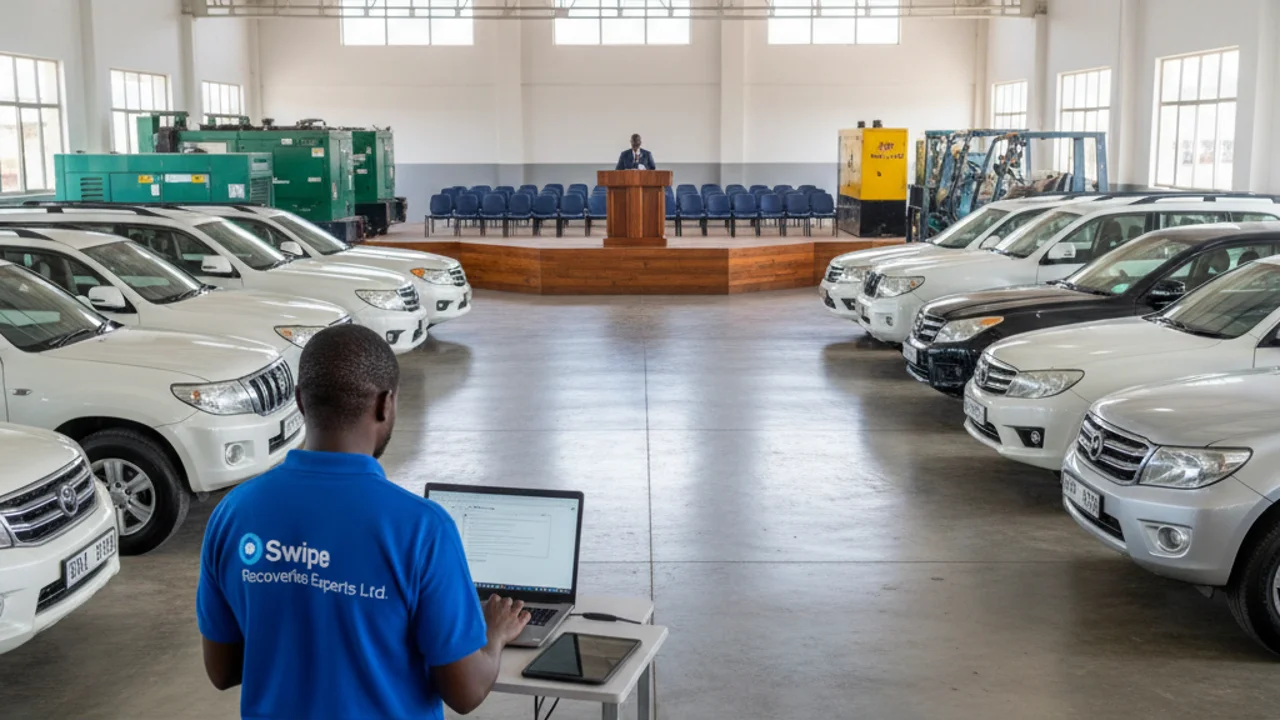
For those wondering how to buy repossessed houses, the process typically involves several key steps. First, identify potential properties through auctioneers' advertisements in local newspapers or on reputable auctioneers' websites, including Swipe Recoveries Experts Ltd. Next, attend the public viewing sessions to physically inspect the property. This is crucial for assessing its condition, location, and any potential issues, as repossessed houses are usually sold "as-is, where-is."
Engage a legal professional to conduct thorough due diligence, including a land registry search to verify ownership and check for encumbrances. On auction day, register as a bidder by presenting your ID/passport and a refundable deposit (often KES 100,000 to KES 500,000 for houses). If you are the highest bidder, you will be required to pay a 25% deposit immediately and the remaining 75% within a specified period, typically 14-30 days. Swipe Recoveries Experts Ltd facilitates this entire process, advising on conveyancing for title transfer.
Financing, Fees, and Hidden Costs When Buying Repossessed Houses
Understanding the financial implications is critical when learning how to buy repossessed houses. Beyond the hammer price, buyers must factor in several costs. The most significant is the 25% deposit on the fall of the hammer, with the balance due quickly. If financing is required, it's advisable to secure pre-approval from a bank or Sacco before the auction, as tight payment deadlines don't allow lengthy mortgage applications post-auction.
Additional costs include stamp duty (4% of the property value for urban properties), legal fees for conveyancing (typically 1-2% of the value), and potentially valuation fees for your lender. Buyers should also budget for any necessary repairs or renovations, as repossessed homes might have maintenance issues. Swipe Recoveries Experts Ltd provides clear cost breakdowns and practical advice on budgeting and due diligence, especially concerning any outstanding utility bills or rates that might transfer with the property.