The Opportunity in Bank-Repossessed Properties
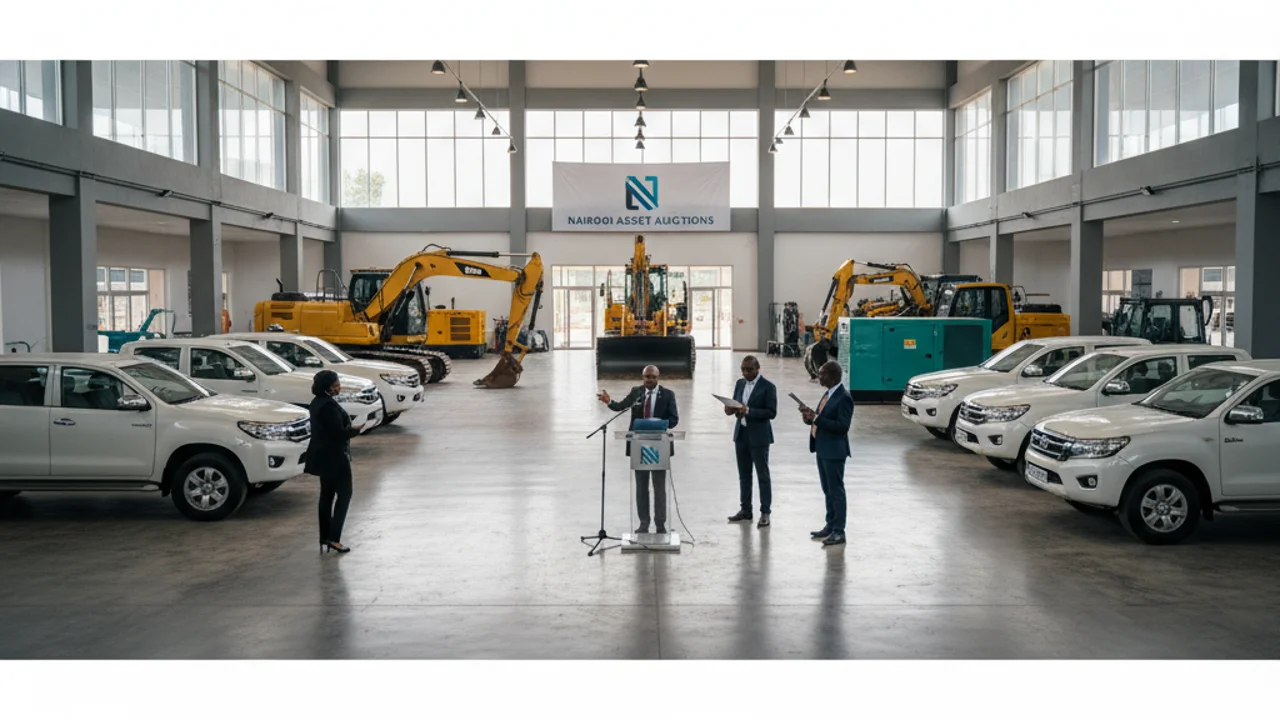
Learning how to buy bank property in Kenya can unlock significant investment opportunities, often providing access to assets at competitive prices. These properties, also known as distressed or foreclosed assets, are sold by financial institutions to recover loans from defaulting borrowers. While the potential for a great deal is high, the process is governed by strict legal protocols and requires thorough due diligence to avoid costly mistakes. This guide breaks down the essential steps, from finding listings to securing the title deed, ensuring you can confidently navigate the auction process. With an expert partner like Swipe Recoveries Experts Ltd, you can mitigate risks and maximize your return on investment.
Legal & Regulatory Landscape for Bank Property Sales
When you set out to buy bank property, you are engaging in a process heavily regulated by Kenyan law, primarily the Land Act, 2012 and the Auctioneers Act (Cap 526). When a borrower (the 'chargor') defaults on their mortgage, the bank (the 'chargee') gains a 'statutory power of sale'. However, the bank cannot simply seize and sell the property. It must first issue a statutory notice to the borrower, typically giving them a 40-day period to remedy the default. If the loan remains unpaid, the bank must then instruct a licensed auctioneer to sell the property via public auction.
The law is designed to protect both the lender and the borrower. A key provision is that the bank must obtain an updated valuation and cannot sell the property for less than 75% of the current market value (the 'reserve price'). The auction must be publicly advertised to attract a wide range of bidders and ensure a fair market price is achieved. This entire process is overseen by the Auctioneers Licensing Board, and any deviation can render the sale void. This legal framework ensures that buying bank property is a transparent, albeit complex, procedure.

The Step-by-Step Process to Buy Bank Property
Successfully acquiring a bank-repossessed property requires a methodical approach. Follow these critical steps to ensure a smooth and secure transaction:
1. Find Verified Property Listings: Reputable sources are paramount. Scour the classified sections of the Daily Nation and The Standard newspapers. Additionally, check the official websites of major banks and licensed auctioneering firms like Swipe Recoveries Experts Ltd for the most current listings.
2. Conduct Comprehensive Due Diligence: This is the most crucial step. Before the auction, you must physically inspect the property to assess its condition. Crucially, you must conduct an official search at the relevant Land Registry (e.g., Nairobi or Kiambu registries) to verify the owner's details, property size, and check for any cautions or encumbrances. You should also obtain a rates clearance certificate from the respective County Government office to check for unpaid land rates.
3. Understand the Conditions of Sale: The auctioneer will provide a document outlining the terms. This includes the reserve price, the required bidding deposit (usually 10-25%), and the timeframe for paying the balance (typically 30-90 days). Review this document carefully.
4. Participate in the Auction: On auction day, you will need to register and provide your bidding deposit, usually via a banker's cheque. If you place the winning bid, you will sign a Memorandum of Sale, binding you to the purchase.
Financial Considerations & Costs Involved

Budgeting accurately is key when you plan to buy bank property. The final price is more than just the winning bid. The first major cost is the bidding deposit, which can be substantial. For a property auctioned at KES 10,000,000, a 25% deposit would be KES 2,500,000. This amount must be ready on auction day. After winning, you must pay the balance of the purchase price, often within 90 days. Failure to do so means forfeiting your entire deposit.
Beyond the purchase price, you must budget for statutory costs. This includes Stamp Duty, which is 4% of the property's value in municipalities and 2% in rural areas. You will also incur legal fees for the conveyance process. It is wise to also set aside a contingency fund for potential repairs, renovations, or outstanding utility bills and land rates that may not have been cleared by the previous owner. Thorough due diligence helps uncover these hidden costs before you commit.